The U.S. Department of Agriculture’s SNAP food restriction waiver tracker, updated Oct. 30, 2026, lists 23 states that have asked to restrict purchases of non-nutritious items like soda and candy with food stamp benefits. Four of those rows, Colorado, Iowa, Tennessee and West Virginia, are marked vacated under a June 22 federal court order. Nevada’s approval is the furthest out, with a start date of Feb. 1, 2028.
A household on SNAP in any of the 23 states falls into one of three groups: a restriction already running, one scheduled to begin, or one a court has stopped. Households in Montana, North Dakota, South Carolina and Virginia face the nearest date, Nov. 1, 2026. The tracker links to each state’s own webpage, which is where the list of restricted items and the retailer rules are posted.
Retirement deadlines, in your inbox: Miss an enrollment or claim deadline and the money can be gone. Join the Retirement Money Brief and we’ll send you our SNAP Recertification & EBT Checklist as a welcome gift.
Get the Brief + the SNAP checklist →
We may earn a commission from links on this page.
Which four states did the federal court strike from the list?
On June 22, 2026, the U.S. District Court for the District of Columbia, in Aragon et al. v. Rollins et al., case number 1:26-cv-00861, ordered that USDA’s approval of the waivers be vacated and that implementation may not proceed, according to the tracker’s own banner. The same sentence replaces the target-date entry on the four rows: Colorado, Iowa, Tennessee and West Virginia.
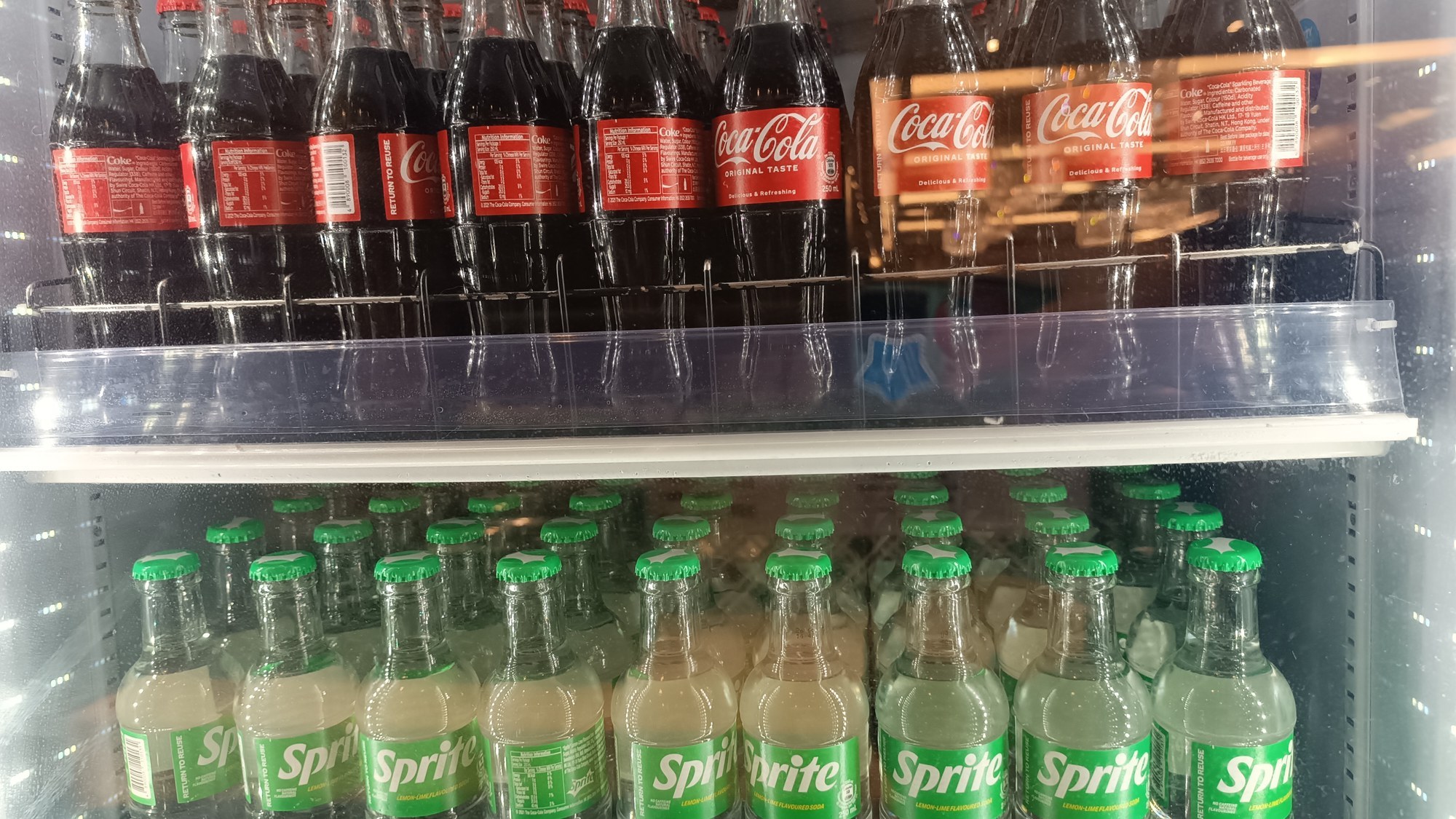
Colorado’s request, for example, would have restricted soft drinks. None of the four has a start date on the page now, and the tracker gives no sign that USDA has approved a replacement for any of them.
Where does Nebraska stand after the same ruling?
Nebraska’s row still shows a Dec. 1, 2026 target date, but USDA’s Oct. 2 notice says the state’s request followed “the vacatur of Nebraska’s demonstration project and four others in Aragon v. Rollins.” Nebraska formally filed a new request on Sept. 1, 2026. It would end soda, soft drink and energy drink purchases on Dec. 1 and add candy on March 1, 2027.
The notice states that the Food and Nutrition Administration has not approved the new request. Written comments are due by Nov. 2, 2026 through Regulations.gov, and any notice authorizing the project would be issued at least ten days before the implementation date.
Which states have a date on the calendar?
The tracker’s target dates split the remaining 19 rows into four groups:
- Dates already passed in 2026: Indiana and Utah (Jan. 1), Idaho and Oklahoma (Feb. 15), Louisiana (Feb. 18), Texas (April 1), Florida (April 20) and Arkansas (July 1)
- Nov. 1, 2026: Montana, North Dakota, South Carolina and Virginia
- Dec. 1, 2026: Nebraska, pending the new request described above
- 2027: Wyoming (Feb. 1), Kansas and Missouri (Feb. 15), Hawaii and Ohio (April 1)
Nevada, at Feb. 1, 2028, is the only row with a start date beyond 2027.
What does Nevada’s 2028 approval actually cover?
Nevada asked USDA to remove “candy” and “sugar sweetened beverages” from the SNAP definition of food, according to the state’s page on the tracker. The Food and Nutrition Administration issued an approval letter on March 4, 2026, and the letter says the approval “is for two years, effective Feb. 1, 2028.” On April 22, 2026 the agency approved a change to the restricted food and beverage definition.
Nevada’s request went through public comment, with written comments due Oct. 15, 2026 under a Sept. 15 notice. The notice says the state “requested to implement the project on Feb. 1, 2028.” Until that date, SNAP purchases in Nevada are not affected by the waiver.
Does a purchase restriction change the dates a SNAP household has to keep?
A restriction governs what the card can buy. Renewal and reporting dates are set separately by each state agency. USDA’s fiscal 2027 cost-of-living memo, dated Aug. 21, 2026 and effective Oct. 1, sets the maximum monthly benefit at $306 for one person and $1,023 for four in the 48 states and D.C. It also lists a $150 threshold for reporting income changes, which applies only to households assigned to change reporting.
Does a restriction start date land before a household’s next renewal?
For households in Montana, North Dakota, South Carolina and Virginia, the Nov. 1 restriction arrives in the same weeks as ordinary renewal notices and reporting deadlines. A restriction list can crowd out the dates that actually decide whether the benefit keeps arriving.
“The SNAP & Medicaid Renewal Organizer” is a 20-page guide with 51 state packs and a renewal and reporting calendar, so a household can set purchase-restriction dates beside its own deadlines. Part 7 covers reporting changes and EBT problems.
Get the 51 state packs and the renewal and reporting calendar in the Renewal Organizer →
This article was produced with AI assistance and edited for accuracy against the sources linked above.