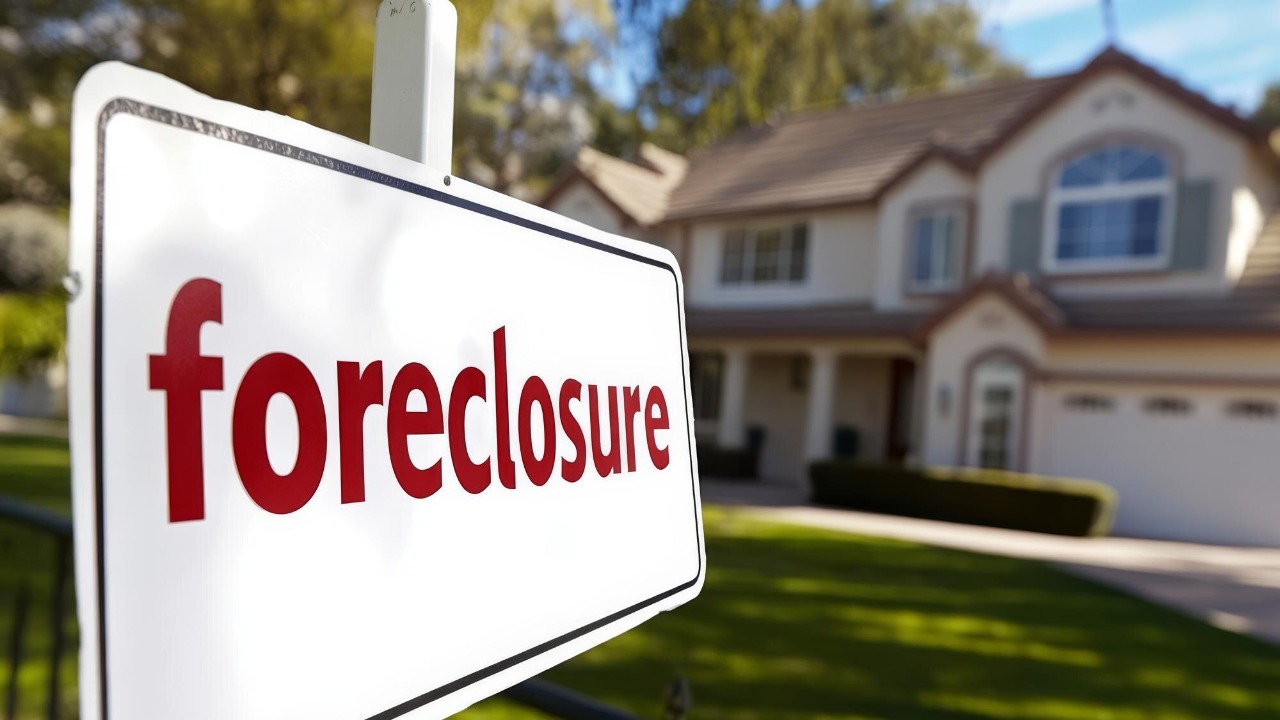
New York Attorney General Letitia James announced on Oct. 23 that five companies that bought old mortgage debt and sued homeowners over it must pay more than $242,000 in restitution. The same settlements carry $240,000 in penalties, which brings the total to more than $480,000. The buyers went to court over mortgages whose collection deadline had passed under New York law.
Homeowners who took out a second mortgage before the 2008 financial crisis and heard nothing for years should read the terms closely. The question is whether a foreclosure suit or a demand letter from an unfamiliar company is seeking payments that are older than six years. Anyone who paid, or agreed to pay, one of these companies on an old second mortgage may be among the people the restitution is meant to reach.
Stay ahead of bank account and debt news: Miss an enrollment or claim deadline and the money can be gone. Join the Retirement Money Brief and we’ll send you our Bank, Debt & Protected-Benefit Checkup as a welcome gift.
Get the Brief + the bank checkup →
We may earn a commission from links on this page.
Five buyers, more than 3,000 defaulted mortgages
The Attorney General’s office names BCMB1 Trust, First Age, LLC, NS194, LLC, Second Start, LLC, and Southern MBA Trust, along with unnamed affiliates. According to the press release, the companies acquired more than 3,000 defaulted mortgages in New York starting in 2019. Most were second mortgages that dated from before the 2008 crisis, the kind of loan the release calls “zombie” mortgages.
The companies then filed more than 140 foreclosure lawsuits. Each suit asked a court to let the new owner collect on a loan that had been in default for years, and the amounts the companies sought are what drew the Attorney General’s attention. Homeowners with a pre-2008 second mortgage that went quiet are the group the release describes.
New York’s six-year limit sits at the center of the case
New York sets a six-year statute of limitations on past-due mortgage payments. Some of the lawsuits sought principal plus interest going back 12 years, which the release says violated that limit. In the Attorney General’s account, a buyer that demands payments older than six years is asking for money the law no longer allows it to collect.
The release quotes Attorney General James: “No New Yorker should face losing their home to a predatory company.” She added that her office “will not tolerate illegal schemes that put New Yorkers’ homes at risk.”
Restitution passes $242,000, and $240,000 in penalties comes on top
The restitution goes to consumers who paid or agreed to pay expired debt, and it totals more than $242,000 across the five companies. The $240,000 in penalties is a separate sum, which is how the announcement reaches more than $480,000. The release does not break the restitution down by company or by homeowner, and it does not say how many people will receive money.
The settlements also change what the companies can do from here. They are barred from collecting expired debt in the future, and they must amend their demands in the foreclosure cases that remain open so that expired amounts are taken out.
Where a homeowner with an old second mortgage can turn
The Attorney General’s office takes complaints from homeowners who believe they faced an improper foreclosure. They can file online with the Consumer Frauds and Protection Bureau or call 1-800-771-7755. A demand that reaches back 12 years on a loan in default is the pattern the office challenged, so the dates in a payment history are worth keeping.
The federal Consumer Financial Protection Bureau also publishes debt collection guidance with sample letters, including one disputing a debt and one asking for more information. Collectors generally must give the creditor’s name, the amount owed and how to dispute it, either on first contact or within five days.
The same page lists five sample letters: disputing the debt, requesting more information, asking the collector to stop contacting the borrower, requiring contact only through a lawyer, and specifying how to be contacted. It also states that debt collectors can take Social Security or VA benefits only in rare cases, a point that matters to older homeowners whose income is mostly benefits.
Does the company on the summons match the lender on the original mortgage?
Old second mortgages tend to resurface through a company that homeowners have never heard of, and the paperwork often arrives with a short deadline. Telling an expired debt from a live one starts with the dates and the original lender.
“The Bank Account & Debt Protection Kit” is a 75-page guide that lays out the debt-validation steps and includes a debt inventory, call log and deadline tracker, so every letter, call and court date sits in one place. Part 5, “Old Debt and the Clock,” covers how the age of a debt affects what a collector can do.
Get the debt-validation steps and the deadline tracker in the Bank Account & Debt Protection Kit →
This article was produced with AI assistance and edited for accuracy against the sources linked above.