Nomad Foods, the frozen-food company that owns Birds Eye in the United Kingdom and Ireland, will pay a cash dividend of 17 cents a share on Nov. 27 to shareholders of record at the close of business Nov. 10, according to a company release dated Oct. 30. The release, datelined Woking, England, announces it as a quarterly dividend. The amount matches what Nomad paid in August.
Who gets the Nov. 27 payment?
Only shareholders on the company’s books at the close of business on Nov. 10 are in line for it, and the cash follows 17 days later. A holder of 1,000 shares receives $170. A holder of 500 shares receives $85, and a holder of 2,000 shares receives $340. The release carries no comment from an executive; its only named contact is Jason English, listed as the investor relations contact.
The practical question for anyone who owns Nomad shares is where that cash lands and what it earns until the day it is needed. In a brokerage account the dividend arrives as cash that waits for a decision, and what that waiting cash earns is set by the account itself, which the latest statement shows in a minute or two.
Retirement deadlines, in your inbox: Miss an enrollment or claim deadline and the money can be gone. Join the Retirement Money Brief and we’ll send you our 2026 Government Check Reality Tracker as a welcome gift.
Get the Brief + the check tracker →
We may earn a commission from links on this page.
Is 17 cents a change from August?
No. A July 30 release declared the same $0.17 a share, payable Aug. 27 to holders of record Aug. 11. The Oct. 30 announcement does not mention a prior amount or an increase, and it describes only this one payment.
Four payments at 17 cents come to 68 cents a share over a year, a total neither release states. A 1,000-share holder would collect $680 on that pace if every quarter’s declaration stayed at 17 cents. The release’s forward-looking statements refer to the payment of quarterly cash dividends in the future, a reminder that each declaration is its own decision.
The timing has repeated. The July declaration came 28 days before its Aug. 27 payment, and the Oct. 30 declaration comes 28 days before Nov. 27. Each time the record date sat 16 or 17 days before the cash went out, which leaves a short stretch between the shareholder list closing and the money arriving.
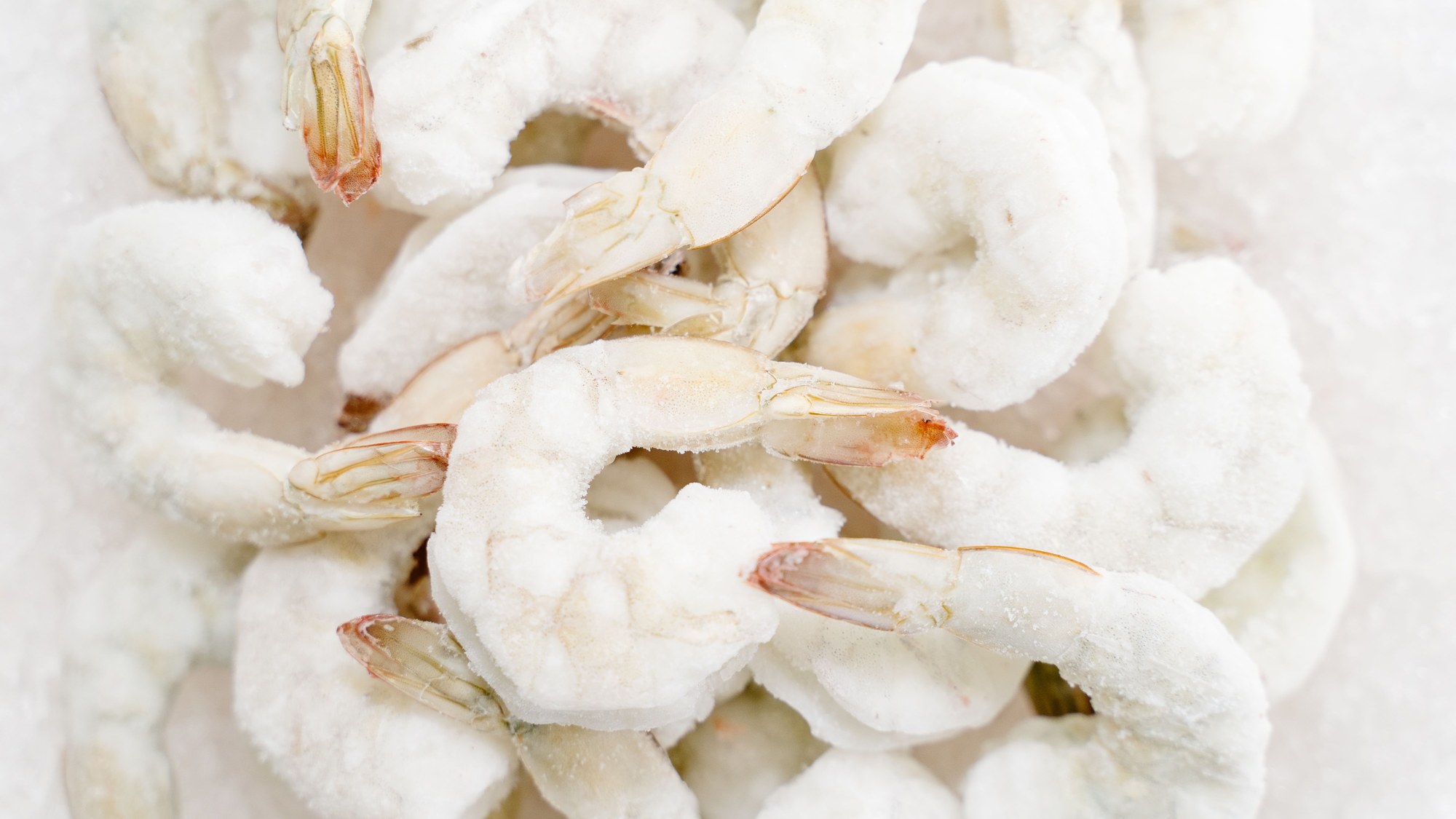
What does a Birds Eye owner sell, and where?
The release describes Nomad as Europe’s leading frozen food company. Its shares trade on the New York Stock Exchange under the symbol NOMD, and the company is headquartered in the United Kingdom. The dividend is declared in U.S. dollars even though the business sells in euros and pounds.
On the company’s brands page, Birds Eye is described as “the UK and Ireland’s leading frozen food brand.” Findus covers Finland, France, Italy, Norway, Spain, Sweden and Switzerland. The iglo brand sells in Austria, Belgium, Germany, the Netherlands and Portugal, while Aunt Bessie’s and Goodfella’s are listed for the UK and Ireland and Ledo and Frikom for parts of central and southeastern Europe.
What arrives before the money does?
Nomad has scheduled its third-quarter 2026 results for Wednesday, Nov. 4, according to a notice on its website dated Oct. 21. That report lands six days before the Nov. 10 record date and 23 days before the payment. The most recent full-year figures shown there are for 2025: reported revenue of 3 billion euros and adjusted EBITDA of 523 million euros.
For a sense of scale, 17 cents on 100 shares is $17 a quarter, and on 10,000 shares it is $1,700. Over the four quarters the pace implies, those become $68 and $6,800. Whether that is pocket change or a meaningful slice of income depends entirely on how many shares sit in the account.
Shareholders who want the numbers behind the dividend will have them in a few days. Anyone whose only question is where to put the Nov. 27 cash does not need to wait for the earnings, because that decision depends on the reader’s own plans rather than on the quarter.
Where can dividend cash wait without risk?
Cash that is not going straight back into stocks has simple homes. The FDIC says standard deposit insurance is $250,000 per depositor, per insured bank, for each account ownership category, a limit that covers a dividend deposit of this size many times over. What differs from account to account is what the cash earns while it sits.
The place to look is the cash line on the brokerage statement, which shows the balance and the rate it earns. A dividend of $170 that sits for a month at a rate near zero earns almost nothing, while the same $170 in an insured high-yield account or a Treasury bill earns something small but real. The gap is modest on one payment and grows with every quarter and every share. Anyone whose broker reinvests dividends automatically can skip the question; for everyone else, a ten-minute look at the statement settles where the Nov. 27 money will go and what it will earn on the way.
Does the Nov. 27 Nomad deposit have a job yet?
Dividend cash that arrives with no plan sits wherever the account’s default puts it. For a 1,000-share holder that is $170 on Nov. 27, and 17 cents a share each time after, for as long as the board keeps declaring it.
Make Your Savings Pay You is an 11-page guide to the safe places that pay more than a near-zero bank account. It covers every dollar insured, even above $250,000 at one bank, and Treasury bills from $100, free of state and local income tax, plus a ladder you can copy and a cash-map worksheet. It is about where cash waits, not a view on Nomad shares or any stock.
Get the insured-savings guide and cash-map worksheet for your Nov. 27 dividend cash →
This article was produced with AI assistance and edited for accuracy against the sources linked above.