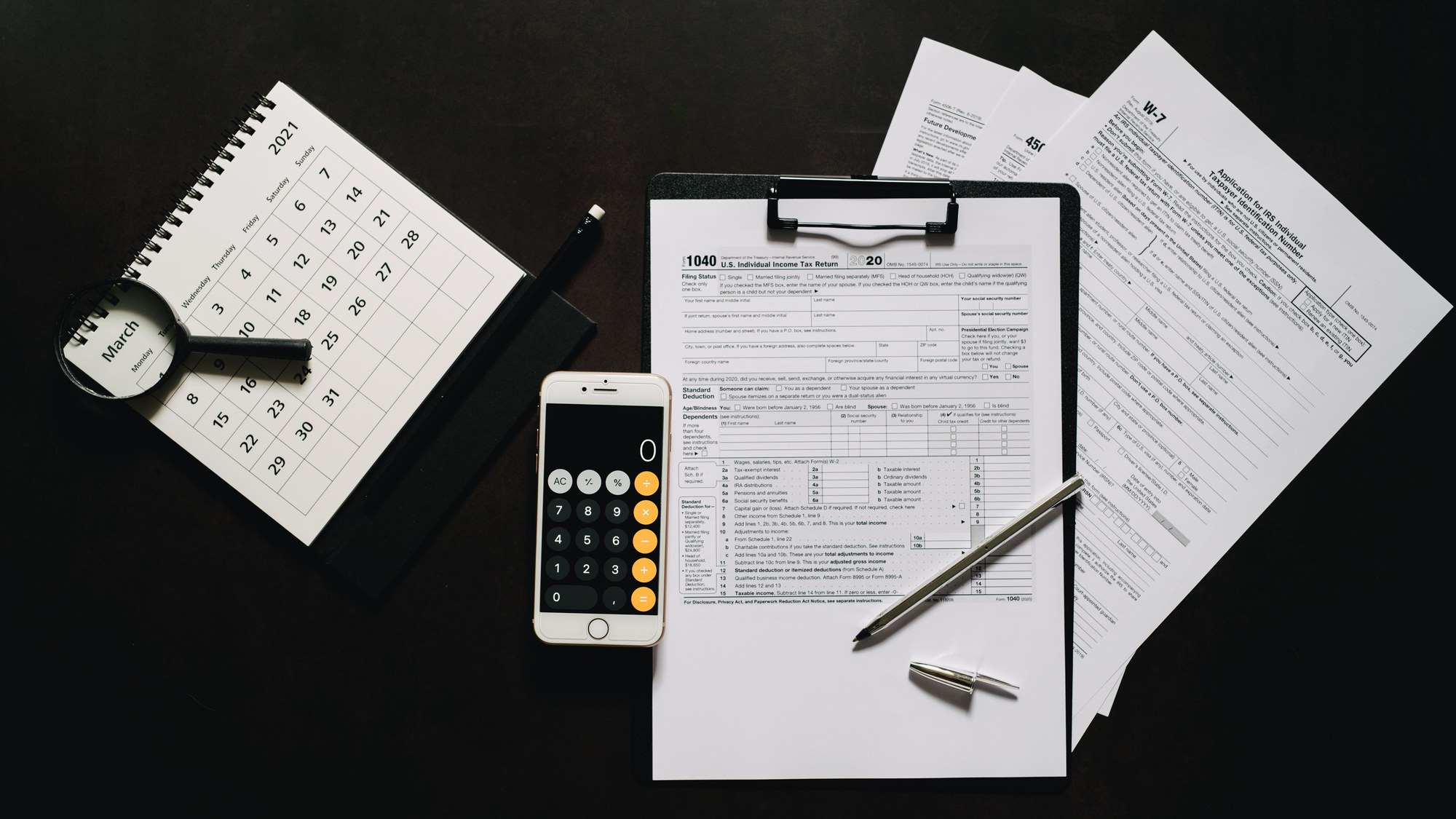
People who receive Supplemental Security Income must tell Social Security about a change in income, resources or living arrangements no later than 10 days after the end of the month in which it happened, the agency says. Miss that date and Social Security may apply a penalty that reduces the SSI payment by $25 to $100 for each time a change goes unreported on time.
The clock runs on the calendar month, not on the day of the change. A change that happens in November, for example, is due by Dec. 10. The rule covers more than a new job. The agency’s list reaches bank balances, who lives in the home and help with living expenses from relatives.
Stay ahead of government payment news: Miss an enrollment or claim deadline and the money can be gone. Join the Retirement Money Brief and we’ll send you our 2026 Government Check Reality Tracker as a welcome gift.
Get the Brief + the check tracker →
We may earn a commission from links on this page.
Which changes have to be reported?
Social Security’s SSI reporting guide, a 2026 edition, lists the changes that “may affect” eligibility or the payment amount. Income is on it, whether wages, self-employment earnings or other money coming in, along with a spouse’s or parent’s income where those count. Resources are on it too, including new resources, sales or transfers and changes in value.
Living arrangements cover several situations. The agency lists changes in where or with whom a person lives, changes in marital status, the death of a spouse or anyone in the household, and changes in the help received with living expenses from friends or relatives. Address changes, admission to or discharge from an institution such as a hospital or nursing home, and leaving the country for a full calendar month or for 30 or more consecutive days are on the same list.
The list continues with changes in citizenship or immigration status, school attendance for anyone under 22, eligibility for other benefits or payments, and, for noncitizens, a sponsor’s income, resources or living arrangements. An unsatisfied felony or arrest warrant for escape from custody or flight is also listed.
How much can a late report cost?
The agency’s reporting guide says it “may apply a penalty that will reduce your SSI payment by $25 to $100 for each time you fail to report a change.” The federal rule behind it, 20 CFR 416.724, sets the amounts by stage: $25 for a report overdue in the first penalty period, $50 for the second and $100 for the third or any later period.
The regulation also says Social Security limits the deductions to one for any one penalty period. The guide says the penalty applies both to a change that is never reported and to one reported more than 10 days after the month it occurred, so a report that arrives a day late is treated as late. A person who reports on time owes no penalty under this rule. The amounts come out of the payment itself, so a $100 deduction means a smaller SSI check that month.
A separate, tougher consequence applies to knowing violations. The guide says that knowingly making false statements or failing to report important changes may lead to payment sanctions of 6 months for a first offense, then 12 and 24 months.
Is the deadline the 10th of the following month?
That is how the agency’s frequently asked questions page puts it. Dated Aug. 12, 2026, the page tells people to report changes “within the first ten days of the month after the change occurs,” and it names income, resources, living arrangements and employment as the kinds of change that fall under the timeframe.
The reporting guide words the same rule as “as soon as possible and no later than 10 days after the end of the month in which the change occurred.” Both read the same in practice: a change in March gets reported by April 10. The guide asks for reports as soon as possible, so the 10th is the outer limit.
Do wages have an earlier date?
Yes. Social Security’s page on reporting monthly wages and other income says to report monthly wages by the sixth day of the month after getting paid. Changes in self-employment and other income are due by the 10th of the month after the change, the page says.
The page lists three ways to report wages: online through a secure account, the SSA Mobile Wage Reporting App from the Apple App Store or Google Play, and an automated telephone line open around the clock. The telephone service requires first being instructed by a Social Security representative through a local office. Other income changes can be reported by calling 1-800-772-1213, Monday through Friday, 8 a.m. to 7 p.m.
What extra reports apply to people with a disability?
SSI recipients who have a disability carry additional reporting duties. The guide says they must report any improvement in their medical condition, starting or stopping work, changes in pay or hours worked, changes in Ticket to Work status, and changes in work or Plan to Achieve Self-Support (PASS) expenses.
Those duties sit on top of the general list above, so a person who is disabled and working can have both a wage report and a change report to file in the same month.
Not sure which SSI change is due by the 10th?
Each late report can cost $25 to $100 off an SSI check, and the dates run by calendar month, which makes a missed change easy to lose track of.
The SSI & Disability Action Kit includes the 2026 SSI income and resource limits, review and reporting steps and an income and resource organizer. Part 5 of the 74-page kit covers reviews, reporting and overpayments, and Part 8 adds worksheets and a deadline calendar.
Get the SSI reporting steps and income and resource organizer →
This article was produced with AI assistance and edited for accuracy against the sources linked above.