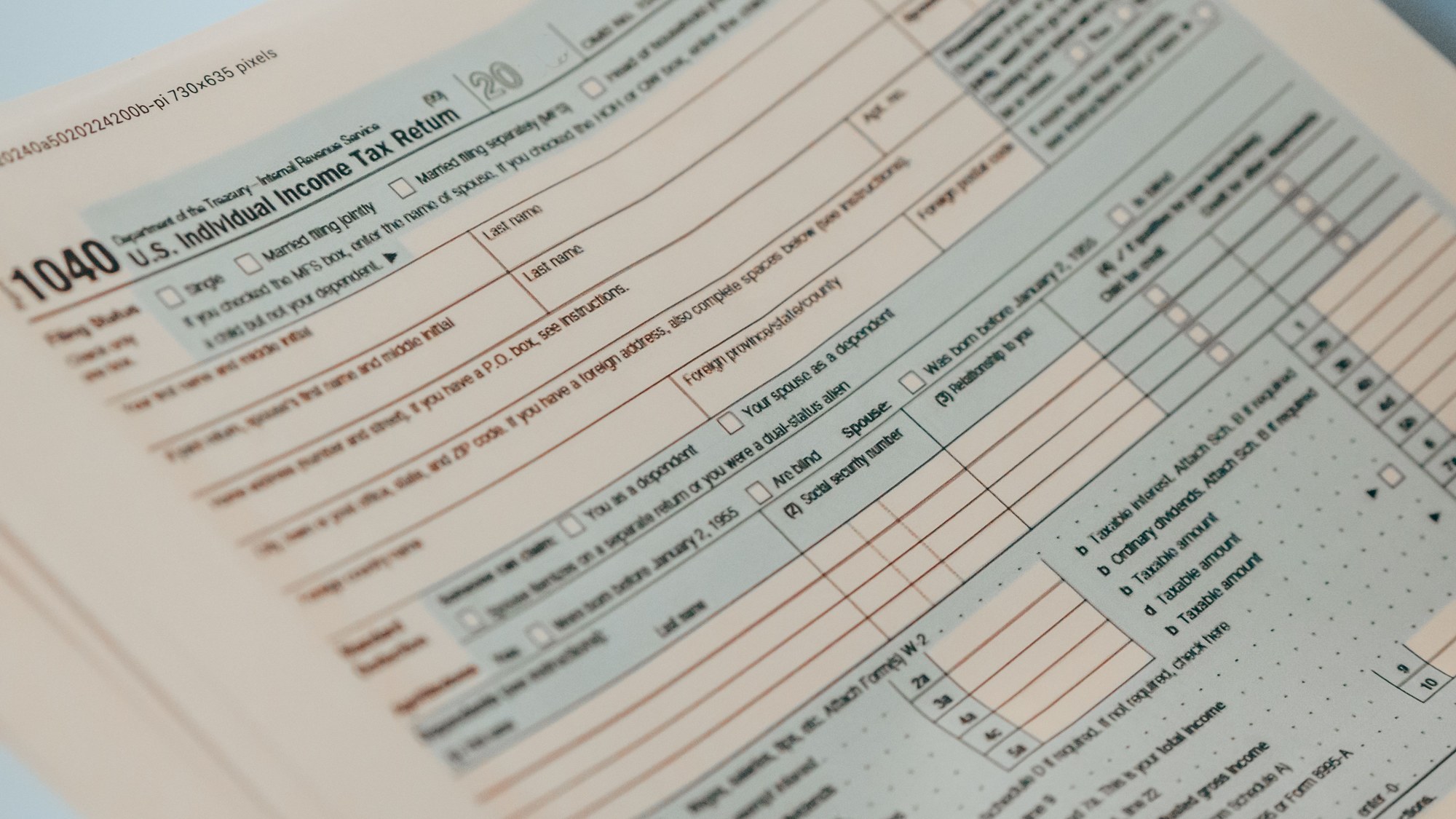
Wages paid in 2025 can still be fixed on a worker’s Social Security record until about April 15, 2029. That date comes from the agency’s rule that an earnings record can be corrected up to three years, three months and 15 days after the year in which the wages were paid, as stated in the Social Security Handbook.
April 15, 2029 is a Sunday, and the handbook says a deadline that falls on a weekend moves to the end of the next workday. The same rule applies to a missing record and to a wrong one.
Why does the limit matter?
Social Security figures a retirement check from the earnings on a worker’s record. A year of wages that never got posted, or got posted wrong, can lower that figure for life, and once the time limit passes the record is generally closed.
Stay ahead of government payment news: Miss an enrollment or claim deadline and the money can be gone. Join the Retirement Money Brief and we’ll send you our 2026 Government Check Reality Tracker as a welcome gift.
Get the Brief + the check tracker →
We may earn a commission from links on this page.
The agency’s answer to how to correct an earnings record, dated Feb. 22, 2023, says corrections are normally barred after 3 years, 3 months and 15 days from the end of the taxable year in which the wages were paid. Its chart example shows the pattern: wages from calendar year 2000 could be fixed through April 15, 2004, and the record became final the next day.
The handbook defines the year as the calendar year for wages and the taxable year for self-employment income. A worker with a fiscal-year business can land on a different date, the handbook’s chart shows, such as an October 1994 deadline for a taxable year that ended June 30, 1991.
Is the deadline ever flexible?
Yes, in four cases. The agency’s answer lists them as ways to correct a record even after the limit passes:
- Matching the record to tax returns the person filed with the IRS.
- Fixing gaps caused by employee omissions from processed employer reports, or by missing reports.
- Correcting errors on the face of the record, meaning errors visible in the agency’s own records of processed reports.
- Adding wages an employer reported as paid to the worker that do not appear in the agency’s records.
The agency’s handbook section on revisions after the time limit lists nine situations. They include fraud, a mechanical or clerical error, and earnings credited to the wrong person or the wrong period. Others cover wages an employer never reported for a period, a wage report the employer filed with the IRS, and a request or benefit application made before the deadline in which the worker said certain years were wrong.
That last one is the practical reason to act early. A worker who raises the problem before the window closes keeps the question open past it. Where an employee and an employer disagree about wages, the agency’s handbook says it helps gather evidence to settle the matter, then decides whether the earnings can be credited and to which period.
What can go wrong with a record?
Social Security’s March 2026 publication How to Correct Your Social Security Earnings Record lists the usual causes. An employer used a wrong name or Social Security number, a worker changed names after marriage or divorce and never reported it, or an employer reported earnings incorrectly.
It tells workers to review the full record in a my Social Security account. Earnings above the annual Social Security tax limit do not appear on the record, and the current or last year may simply not be posted yet. The publication suggests checking in August that last year’s amount is correct. Self-employed workers report earnings to the IRS, not directly to Social Security.
What does a correction request involve?
Social Security says people may be able to file online with a my Social Security account, or call 1-800-772-1213 (TTY 1-800-325-0778). The agency suggests having documents such as Forms W-2 and pay stubs on hand. The March 2026 publication adds tax returns and other wage records to the list. Anyone without papers can write down the employer’s name, where they worked, the dates, how much they earned and the name and number they used then, and the agency may contact the employers or ask the worker to.
The operations manual, in its section on earnings corrections, names Form SSA-7008, the Request for Correction of Earnings Record, or a similar signed statement. Social Security’s own processing clock starts when it receives notice of a possible error from the individual.
How long does the agency take to decide?
The manual sets a separate limit on the agency’s own side. An initial determination is due within 3 years of receipt, extended to 3 years, 3 months and 15 days only when the agency is awaiting a response to a specific request for additional evidence. It also states a goal of finishing the work and making a determination in every case within 6 months.
That second clock is easy to confuse with the first. The worker’s clock runs from the end of the year the wages were paid. The agency’s clock runs from when it hears about the possible error, which is why reporting a problem early matters even when the time limit looks far off.
Is every year of your pay on your Social Security record?
A year that is missing or wrong stays that way once the window closes and the exceptions do not fit, and the monthly check is built from that record. The cost is a smaller benefit for as long as the person collects.
The turn from the record to the rest of the retirement budget is a plain one: a correct record is one place the money is protected, and there are eight others. The Keep-It Starter Bundle puts nine guides in one 95-page download, including how to claim every benefit, so a fixed earnings record sits with every other benefit a household may be leaving unclaimed.
Get the nine money-leak guides, including claim-every-benefit, with your corrected record →
This article was produced with AI assistance and edited for accuracy against the sources linked above.