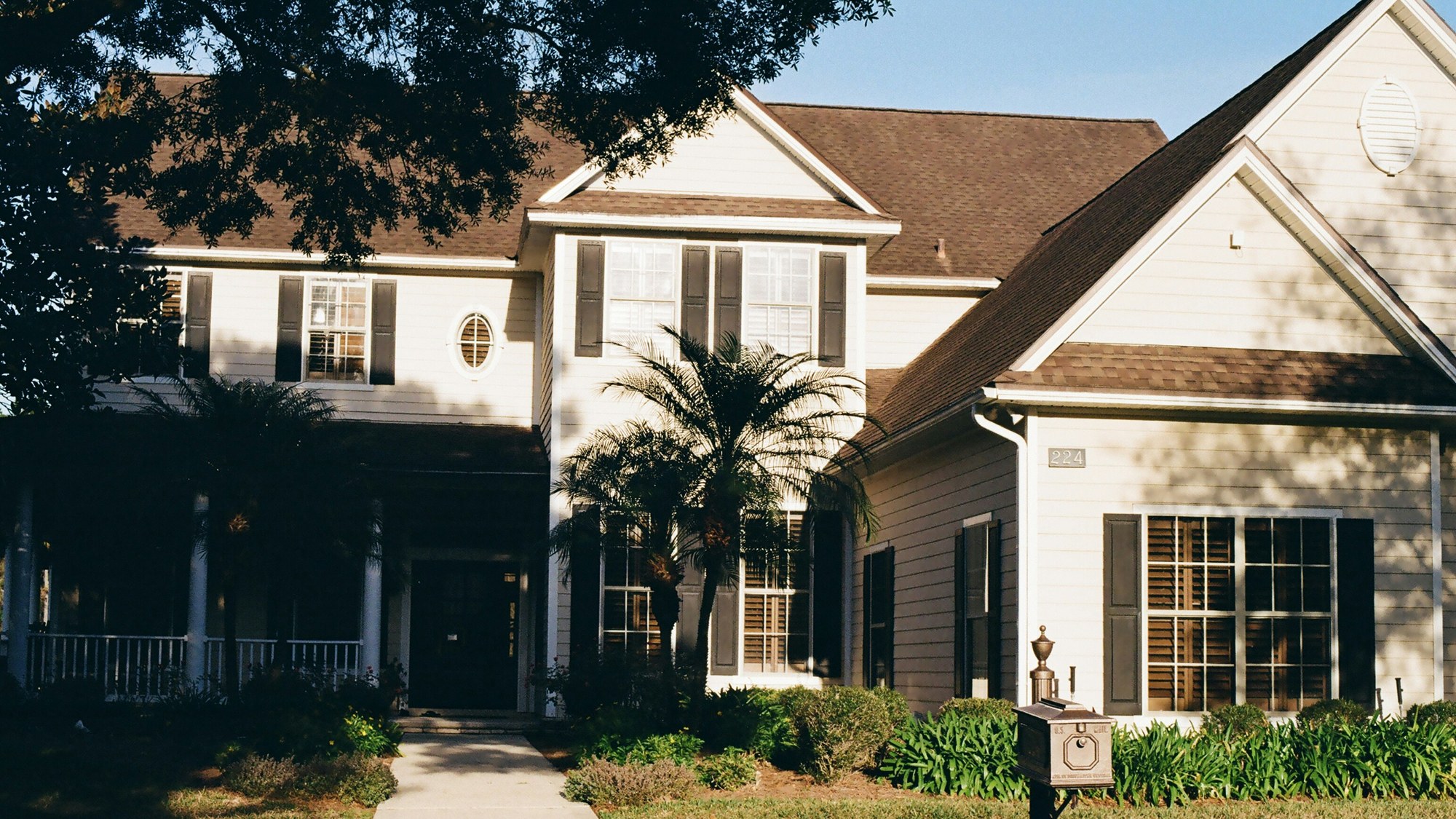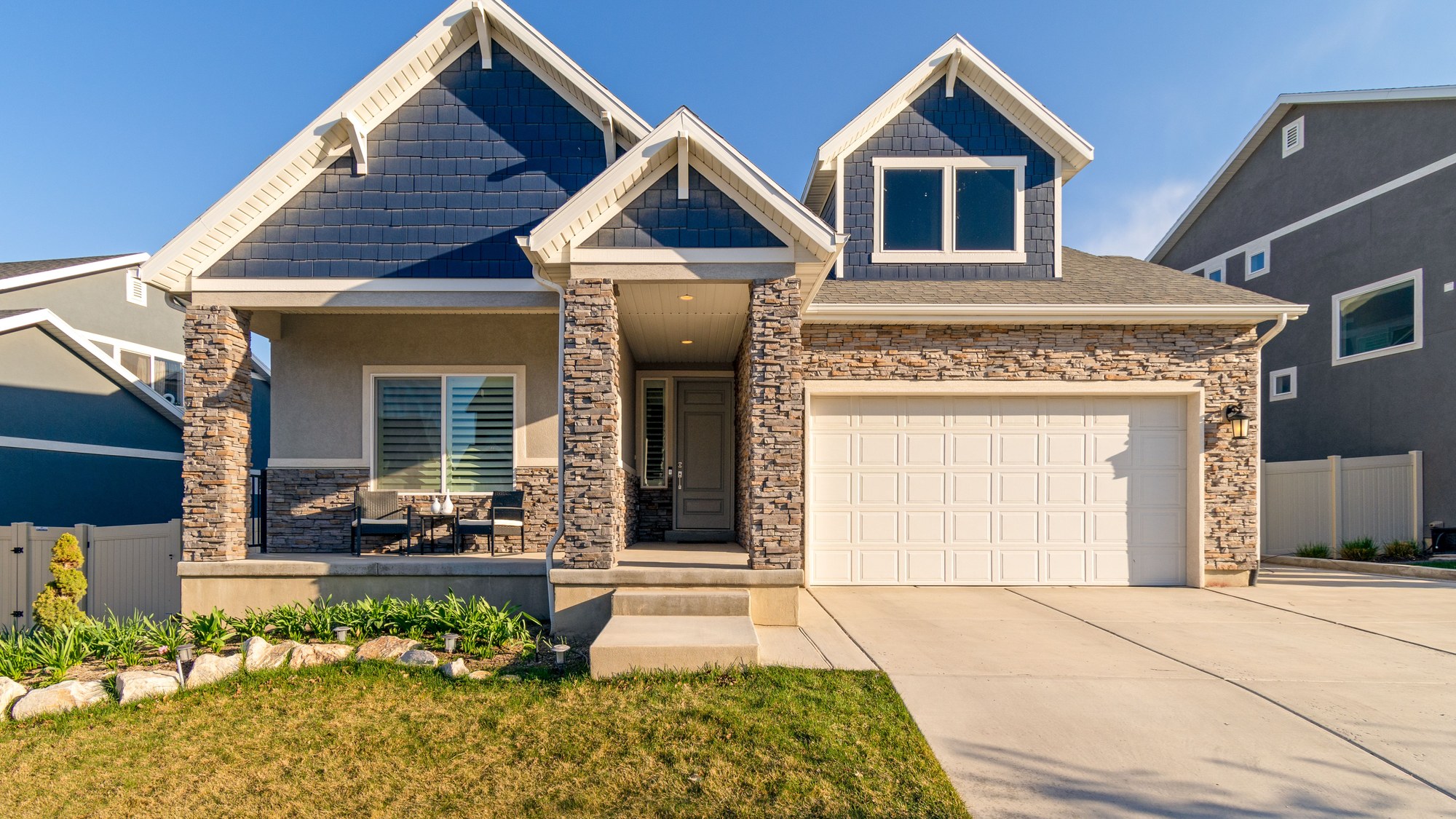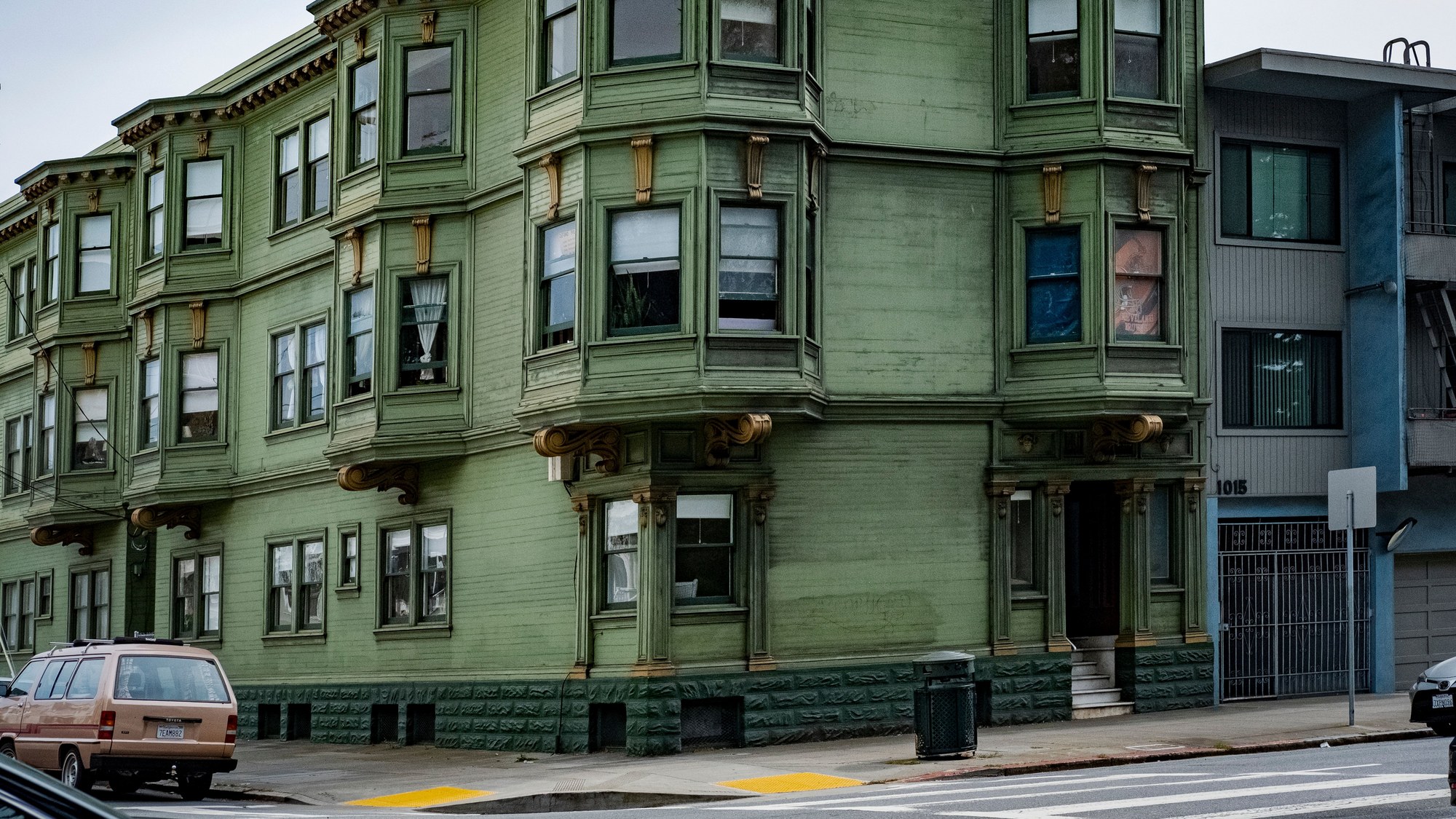
Renters in San Francisco now pay a typical $3,438 a month, and renters in San Jose a typical $3,811, according to Zillow’s October market report. Nationally, Zillow says 40.4% of rental listings offered a concession in October, about four in 10 and up from 38.7% a year earlier. A typical U.S. rent was $1,913, up 2.9% from a year ago.
For a tenant, the question is whether the next renewal arrives with a jump, and the data point two ways. San Francisco’s typical rent is up 12.2% from a year ago and San Jose’s is up 8.9%, against a national gain of 2.9% that Zillow calls the strongest in 19 months. A renter renewing in either city faces a far bigger step than the country as a whole.
Retirement deadlines, in your inbox: Miss an enrollment or claim deadline and the money can be gone. Join the Retirement Money Brief and we’ll send you our 2026 Government Check Reality Tracker as a welcome gift.
Get the Brief + the check tracker →
We may earn a commission from links on this page.
Is San Jose now pricier than New York?
By Zillow’s table, yes. San Jose’s $3,811 is $361 above New York’s typical rent of $3,450. San Francisco, at $3,438, sits $12 below New York, so the two California metros now bracket the most famous rental market in the country.
Other big metros trail well behind. Los Angeles is at $2,913, San Diego at $2,936 and Boston at $2,945. At the other end, Louisville runs $1,359 and Oklahoma City $1,370, so San Jose’s typical rent is more than two and a half times Louisville’s.
Where are rents rising fastest, and where are they flat?
After San Francisco and San Jose, the next-fastest rent growth in Zillow’s table is Virginia Beach, at 7.5% to a typical $1,878. Then come Chicago and Milwaukee, each at 4.7%, and Detroit and Buffalo, at 4.4%. New York’s 4.2% is matched by Cleveland, and Kansas City is at 4%.
The flat end is mostly in the South and Mountain West. San Antonio is the only metro in the table where the typical rent fell, by 0.1%, to $1,402. Houston is up 0.3%, Denver and Las Vegas 0.6%, Tampa 0.8% and Dallas 1.1%. A tenant in Houston and one in San Jose are living in different rental markets.
San Francisco’s typical rent, $3,438, is also about $1,434 higher than the $2,004 Zillow puts on a typical monthly mortgage payment nationally. That is a comparison across different places, but it shows how far the Bay Area sits from the rest of the country.
What does a year of rent add up to?
Across the 50 metros in Zillow’s table, 10 saw rent growth of 4% or more over the year, 5 saw less than 1%, and one saw a decline. San Jose’s rent rose 8.9% while its typical home value fell 1% to $1,537,924, and San Francisco’s rent rose 12.2% against a 3.5% gain in home values.
At Zillow’s typical figures, a San Francisco renter pays about $41,300 a year and a San Jose renter about $45,700, against roughly $23,000 for the typical U.S. renter. The two Bay Area totals are close to double the national one.
The year-over-year increases translate into real money too. A 12.2% rise on a rent that was about $3,064 a year ago works out to roughly $374 more a month in San Francisco, and 8.9% in San Jose is roughly $312 more. The national 2.9% adds about $54 a month. Those are estimates backed out from Zillow’s percentages, not published dollar changes.
New York, where rents rose 4.2%, adds roughly $140 a month on a typical $3,450, a smaller increase than the one San Francisco renters absorbed even though the starting rents are nearly equal.
A rise of 2.9% across the country blends many markets that move at different speeds. In the two Bay Area metros the increases ran roughly three to four times the national pace.
The typical U.S. rent of $1,913 is also unchanged from September, according to Zillow, and rent takes 26% of a median-income household’s income, the same share as a year ago. The pressure is concentrated, not everywhere.
What does a concession in four of every 10 listings mean?
A concession is a perk a landlord offers to land a tenant, and Zillow says 40.4% of rental listings on its site carried one in October. That is up from 39.6% in September and 38.7% a year earlier, so the share has risen in each comparison the report makes.
Concessions can leave what a tenant actually pays below the rent printed in the listing. The Zillow figure is a share of listings, not a measure of how large the perks are.
How does renting compare with buying right now?
Zillow puts the typical monthly mortgage payment at $2,004 with 20% down, not counting taxes or insurance, which is $91 more than the typical rent. Mortgage rates averaged 7.33% in October, and Freddie Mac’s Nov. 5 reading was 7.18%, up from 6.22% a year earlier.
A median-income household would need to spend 34.7% of its income on a typical mortgage payment once taxes, maintenance and insurance estimates are added, Zillow says, against 26% for rent.
Is a renewal notice about to reset your housing budget?
In San Francisco and San Jose, a typical rent rose 12.2% and 8.9% in a year, and a lease renewal can reset that cost in a single letter. Rent is one of several places household money leaks, and a bigger bill in one place leaves less to cover the rest.
Zillow’s numbers are about renting, so the turn here is wider than the story: The Keep-It Starter Bundle is nine guides in one download, one per money leak, from taxes and Medicare costs to scams and care costs. It runs 95 pages and ends with Your Keep-It Gameplan.
Get the nine-guide bundle for the other bills in a rent-heavy budget →
This article was produced with AI assistance and edited for accuracy against the sources linked above.