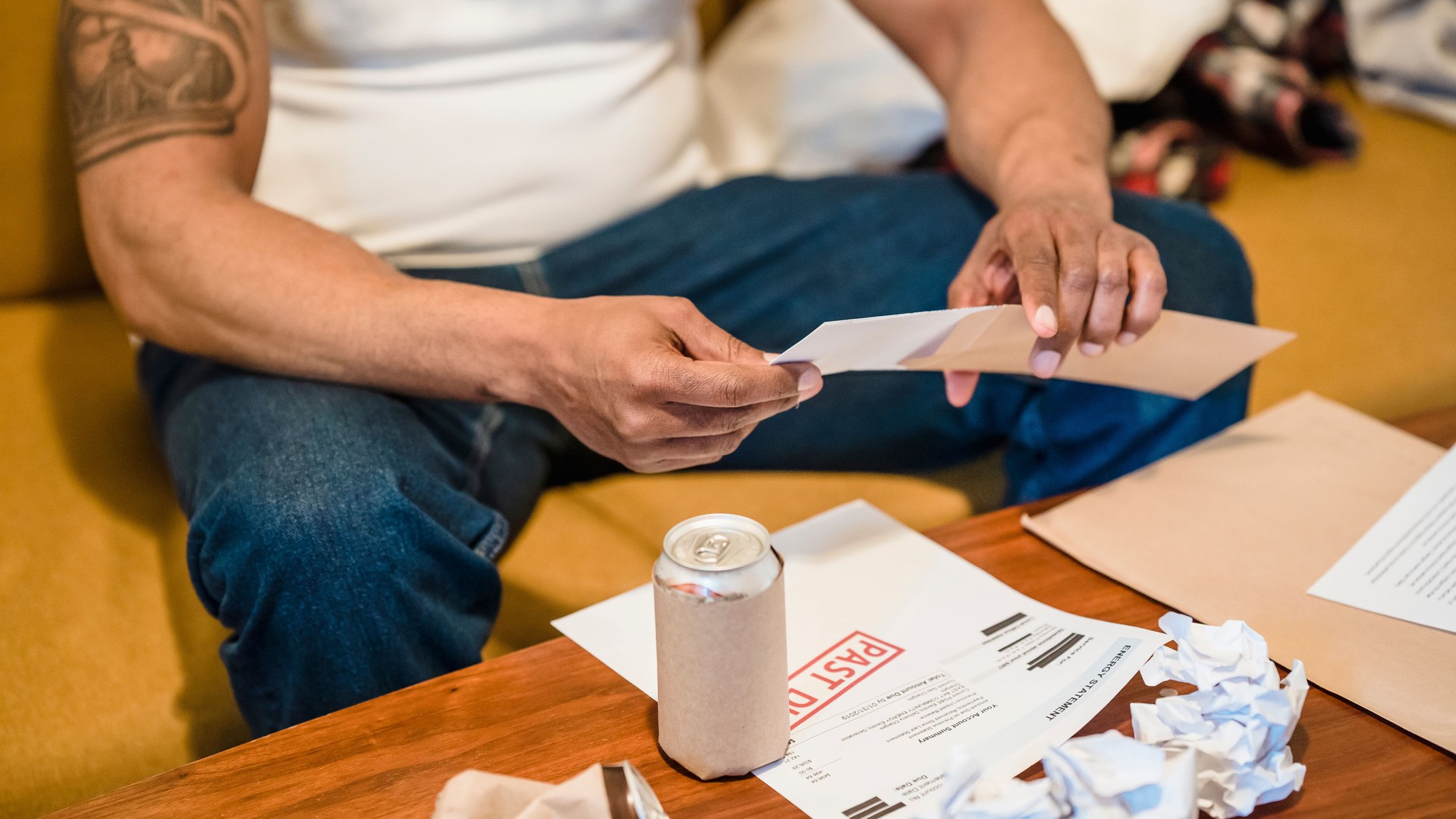
Delaware’s Insurance Commissioner’s office says about 7,200 state residents are in line for the White House’s $500 refund, and that the money is paid per person and arrives automatically. The refund goes to HealthCare.gov enrollees who paid full price for 2026 coverage, with no subsidy. A household with two eligible adults could see two checks.
How many Delawareans are in line for a check?
The Oct. 12 Delaware release says as many as 7,200 residents meet the requirements, out of roughly 950,000 to almost a million people nationwide. The same notice puts total Marketplace enrollment at more than 19 million, so the refund reaches only a small slice of people with ACA coverage. The White House puts the national count at nearly 1 million people.
The state notice says eligible consumers “have already been identified” and that refunds “will be issued automatically.” Nobody applies, and there is no form to fill out. The checks come from the U.S. Department of the Treasury, which the release says began sending them in late September, with delivery expected through October.
Who is left out of the $500 refund?
The Delaware notice says the refund “applies only to individuals who paid full price” for their plan, without premium subsidies. Anyone who received a subsidy is out. So is anyone who bought coverage on a state-run exchange instead of HealthCare.gov, which the release says is why most of the 19 million enrollees get nothing.
Stay ahead of government payment news: Miss an enrollment or claim deadline and the money can be gone. Join the Retirement Money Brief and we’ll send you our 2026 Government Check Reality Tracker as a welcome gift.
Get the Brief + the check tracker →
We may earn a commission from links on this page.
The White House fact sheet issued Sept. 10 lists the 30 states that use the federal exchange, and Delaware is on it, alongside states such as Texas, Florida, Ohio and Michigan. The fact sheet describes the payment as $500 per person to Americans who do not receive premium assistance and so paid the full cost of the premium “user fee.” It also says checks start going out in October 2026.
The people most likely to qualify are households with income above 400 percent of the federal poverty level, who lost subsidy eligibility when the so-called subsidy cliff returned in 2026, according to the Delaware release. That group includes many people in their early 60s who are not yet on Medicare and who pay the whole premium themselves.
One check per household, or one per person?
The payment is $500 per person, according to the White House, and the Delaware release says a household with several eligible enrollees could receive several checks. A couple who both bought unsubsidized HealthCare.gov plans for 2026 could therefore expect $1,000 between them, while a married pair where only one was enrolled would see $500.
HealthInsurance.org, a consumer site that tracks the Affordable Care Act, calls it a one-time payment and notes that the administration announced it on Sept. 10.
Where does the money come from, and who handles questions?
The White House fact sheet says the money is surplus from exchange user fees, which it says were collected under the Biden administration and passed on to consumers through higher premiums. The Delaware release says the funding source has not been identified, a gap between the state notice and the federal account that leaves the White House as the only official source for the explanation.
The Delaware notice says there is no dedicated hotline for the refunds. It points people with questions to HealthCare.gov customer service at 1-800-318-2596 and to the Treasury Department’s main information line at 202-622-2000.
Anyone in a qualifying state who paid full price and has not seen a check should start there. Because the refunds are issued without any request, the Delaware notice gives no application step to follow.
What did the letter with the check say?
According to Newsweek, which published the letter in full, the checks come with a note signed by Trump. It says “for years, the Biden Administration overcharged you to fund the operation of HealthCare.gov” and “now, I am returning it to you.” The note adds that “you have paid into this flawed System, and now you are finally getting something back.”
Newsweek reported that payments began Sept. 30, about a month before the Nov. 3 midterm elections, and that more than 950,000 people in the 30 federal-exchange states were in line. States that run their own exchanges, including California, New York and Pennsylvania, were left out.
The timing drew criticism. Sen. Ron Wyden, D-Ore., said, “If you want to BUY midterm votes, maybe start by not gutting everyone’s health care in the first place.” MIT economist Jonathan Gruber called the administration’s description of the money misleading and an “effort to score political points,” according to the same report.
None of that changes the mechanics for an enrollee. Both the White House fact sheet and the Delaware notice describe a single $500 payment per person, and Delaware says the checks come from the Treasury Department, not from an insurer or HealthCare.gov. A household with one subsidized adult and one full-price adult would see one check, because only the unsubsidized enrollee is covered.
Did a Treasury check for $500 go missing in the mail?
A refund that arrives without any application is easy to lose track of. A check can sit in a pile of mail, land at an old address or go uncashed, and the household that expected two payments may only notice one is missing months later.
The Settlement & Refund Recovery System includes a claim log and payment tracker, built to record what is owed, what arrived and what is still outstanding. It is a 50-page system with a large-print quick-start sheet and a source vault of the 12 official places money sits.
Get the payment tracker to log each $500 check in your household →
This article was produced with AI assistance and edited for accuracy against the sources linked above.