David Clark

Image Credit: Downtowngal - CC BY-SA 4.0/Wiki Commons

Social Security can be tapped for unpaid federal taxes, student loans and child support, but most private debt cannot touch it

A Social Security check enjoys a level of legal protection that most income does not, but that shield has holes, and they are all on the government’s side. Federal law generally keeps benefits out of reach of private creditors, so a credit-card company or a hospital cannot garnish a retiree’s monthly payment the way it…

Read More
Grandparents girl and happy with dad on sofa for hug care or bonding with love in family home lounge Elderly people kid and father with smile relax and conversation on living room couch in house

When several family members claim on one worker’s Social Security record, a family maximum caps the total they can receive

A single Social Security record can support more than one person at a time. A retired or disabled worker’s spouse and children may each qualify for a benefit based on that worker’s earnings, and on paper those add-on benefits can stack up quickly. Social Security caps how much a family can pull from one record,…

Read More
Senior business people in office

Naming a trusted contact at your bank or brokerage lets them flag suspected fraud without handing over control of your money

Older Americans remain a leading target for financial exploitation, and the losses often come from someone the victim knows — a relative, a caregiver, or a stranger who has spent weeks building trust. Families frequently learn of the damage only after the savings are gone. One low-cost safeguard sits unused on most bank and brokerage…

Read More
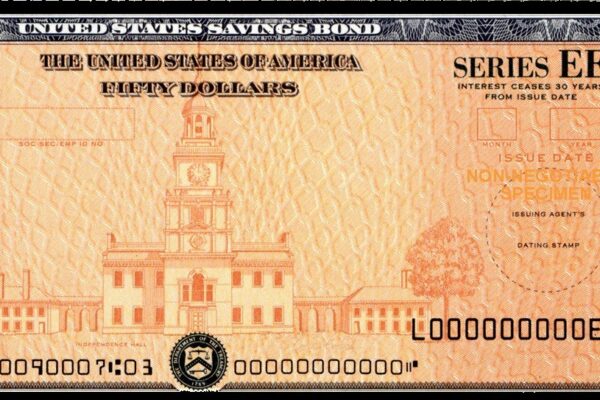
$50 Series EE US Savings Bond, in the design used from the mid-1980s until Series EE bonds ceased to be issued as paper certificates in 2012

Series I savings bonds reset their interest rate every six months, so a bond you bought for high inflation can quietly slow down

A Series I savings bond can look like a set-and-forget purchase, but its rate is anything but fixed. The interest a Series I bond pays changes every six months, and a bond bought during a stretch of high inflation can quietly step down to a fraction of its original yield without the owner doing anything…

Read More