
Warren Cohen

Warren Cohen is a finance writer based in Phoenix, Arizona, covering personal finance topics including credit, banking, and beginner investing. He earned his degree in business administration from Arizona State University and began his career working in consumer finance, where he gained direct experience with lending and credit systems. He now writes for personal finance websites and fintech platforms, focusing on clear, practical content that helps readers make informed financial decisions.

Middle aged senior woman sit with laptop and paper document pensive older mature lady reading paper

The year after a spouse dies, the survivor often has to file taxes as single and can owe thousands more on the very same income.

Losing a spouse brings a wave of financial changes, and one of the least anticipated arrives at tax time. After the initial year, a surviving spouse frequently has to file as a single taxpayer, and that shift alone can raise the tax bill on income that has not changed at all. Understanding the timeline in…

Read More
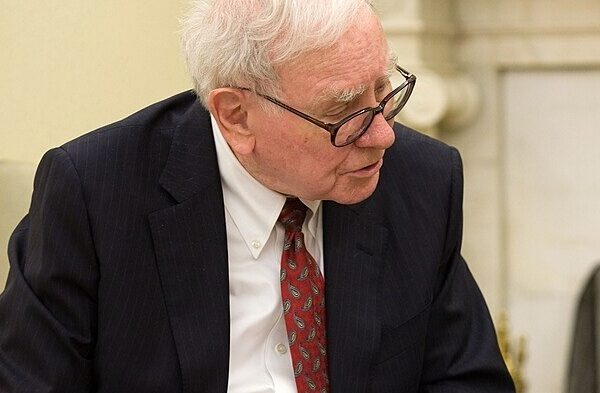
President Barack Obama and Warren Buffett in the Oval Office, July 14, 2010.

Warren Buffett’s favorite market gauge has climbed past 233% of the entire economy, a level he once called “playing with fire.”

A market yardstick that Warren Buffett popularized decades ago is flashing one of the most extreme readings in its history, and commentators have revived a warning he attached to it long ago. For retirees whose savings sit largely in stocks, the number is worth understanding, not because it predicts the next move, but because it…

Read More
A man sitting at a desk with a microphone

Americans 50 and older reported losing $4.3 billion to scams last year, nearly double the losses reported by younger adults.

The federal government’s latest accounting of fraud carries an uncomfortable message for people in and near retirement. Older Americans are not just losing money to scams; they are losing far more of it than younger adults, and the gap is wide. The figures come from the agency charged with tracking consumer fraud nationwide, and they…

Read More
Grandfather and grandson looking at a tablet together.

Minor children, and in some cases grandchildren, can draw monthly Social Security on a retiree’s earnings record.

Social Security is usually pictured as income for the worker who earned it, and perhaps for a spouse. But a retiree who still has young or dependent children can trigger a second set of monthly checks, payments made to the children themselves and drawn on the same earnings record. It is an easily overlooked benefit…

Read More
Piggy bank in soft focus on desk with blurred elderly man using laptop to fill out Internet pension application do accounting and paperwork at home manage personal finance or pay bills online

A no-fee checking account and a high-yield savings account can add up to real money on a fixed income.

On a fixed income, the slow leaks in a budget can matter as much as the big-ticket expenses, because they repeat every single month and rarely draw attention to themselves. Two of the quietest are bank fees that come out automatically and savings that sit earning almost nothing while inflation chips away at their value….

Read More
man in blue and white plaid dress shirt sitting on black couch

If your company pension fails, a federal agency insures your benefit, but only up to a yearly limit that can cap the biggest pensions.

For millions of Americans, a traditional company pension is the closest thing to a guaranteed paycheck for life. Those promises, though, depend on the employer and its pension fund staying solvent. When a plan runs out of money and shuts down, a federal backstop steps in to keep the checks coming, and for most retirees…

Read More
man in blue and white plaid dress shirt sitting beside man in blue dress shirt

Keeping a year or two of expenses in cash lets retirees avoid selling investments in a down market.

The order in which investment returns arrive can matter as much as the returns themselves. A retiree forced to sell stocks or funds during a market slump to cover living expenses locks in losses that a still-working investor could simply wait out. That single vulnerability — spending from a portfolio at the worst possible moment…

Read More
Couple conversation and paperwork with laptop in home for asset management savings fund and budget review Computer man and woman with mortgage research financial discussion and documents for tax

You can give any one person up to $19,000 in 2026 without filing a gift-tax form or touching your lifetime exemption.

Handing money to children or grandchildren is one of the simplest ways older Americans pass on wealth while they are still around to see it enjoyed. Many hold back out of a vague fear of a “gift tax,” picturing a bill from the government in return for their generosity. In practice, ordinary family giving almost…

Read More
Woman in suit shows document to man

You can add a trusted contact to a brokerage account so the firm can step in if it suspects fraud.

Financial exploitation of older adults often unfolds quietly, one transfer at a time, while the account holder insists everything is fine — sometimes because a scammer has convinced them it is. To give brokerages a way to intervene before the money is gone, regulators created a simple, free safeguard: the trusted contact person. Adding one…

Read More
a man sitting at a desk writing on a piece of paper

A durable financial power of attorney lets someone you trust manage your money if you no longer can.

A stroke, advancing dementia, or a sudden hospitalization can leave an older adult unable to pay bills, manage investments, or handle a bank account — often with little warning. When that happens, the question of who is legally allowed to step in becomes urgent. A durable financial power of attorney answers it in advance, and…

Read More