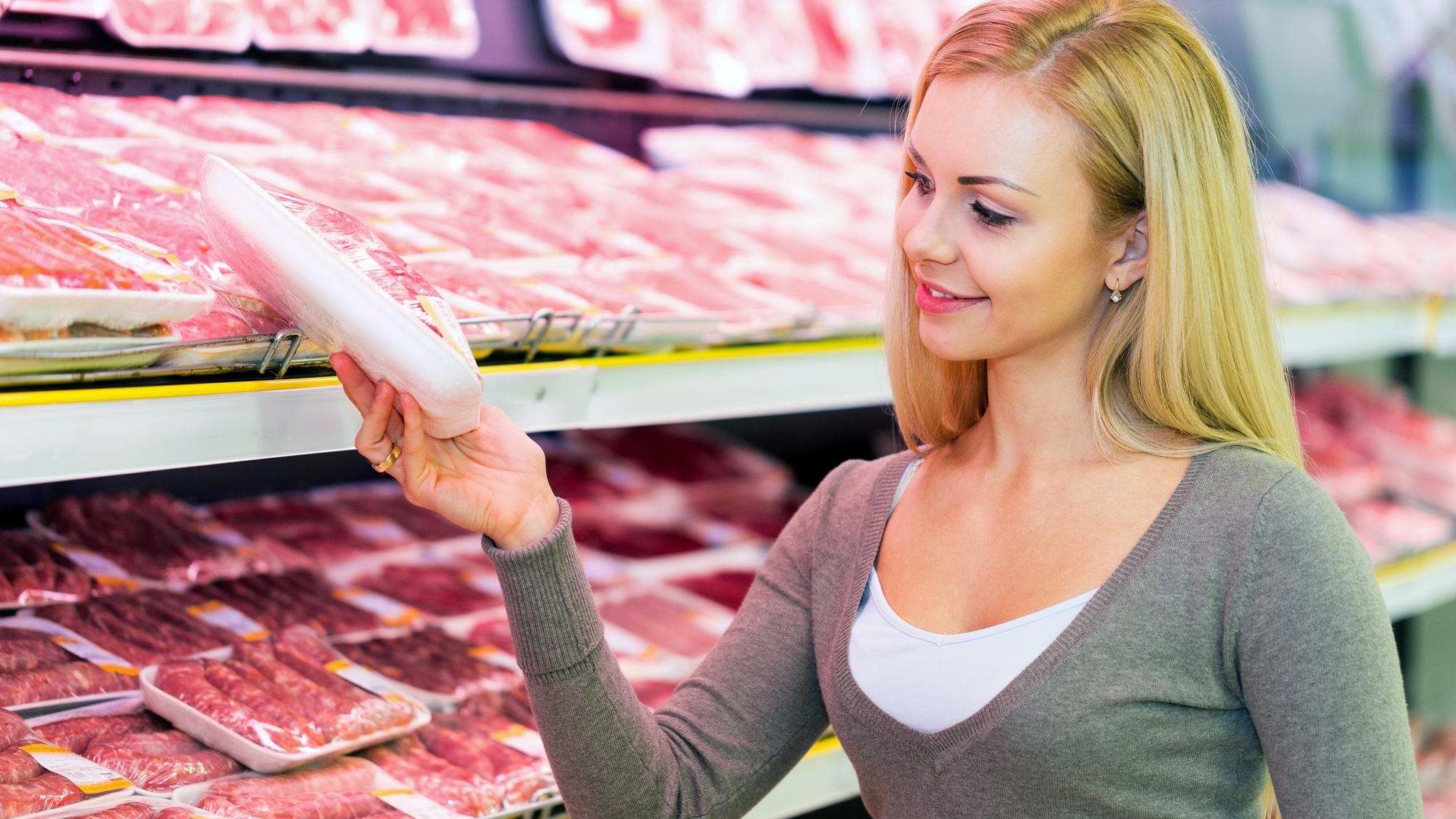
A pound of steak has never cost more at the American grocery store. The Bureau of Labor Statistics reported the average retail price for uncooked beef steaks at $12.74 per pound in February 2026, the highest reading in the agency’s decades-long tracking series. March held almost flat at $12.73. Ground beef, the cut millions of families turn to when steaks get too expensive, is running near its own record: the BLS logged all uncooked ground beef at $6.86 per pound in March 2026.
The headline figures of $12.74 for steak and $6.70 for ground beef are rounded reference points that have circulated widely in public discussion. The precise BLS readings run slightly higher for ground beef ($6.86 in March) and confirm the steak number almost to the penny ($12.74 in February, $12.73 in March). Either way, the takeaway is the same: beef is more expensive than it has ever been in nominal terms, and the forces behind that are not fading.
A cattle herd that keeps shrinking
The biggest driver is simple scarcity. USDA’s National Agricultural Statistics Service counted just 86.2 million head of cattle on U.S. farms and ranches as of January 1, 2026. That is the smallest national herd since the early 1960s, when the country had roughly 100 million fewer people to feed.
The numbers underneath that total reveal a breeding pipeline running dangerously thin. Beef cows stood at 27.6 million head. The 2025 calf crop came in at 32.9 million. Cattle already on feed totaled 13.8 million. Each figure traces back to years of forced herd liquidation, driven largely by persistent drought across Texas, the Southern Plains, and other major cattle states from 2020 through 2023. When pastures turn to dust and hay prices double, ranchers sell cows they would otherwise keep for breeding. That decision eases the immediate cash crunch but guarantees fewer calves in the years that follow.
“You can’t just flip a switch and make more cattle,” said Scott Brown, a livestock economist at the University of Missouri. “The biology sets the timeline, and right now the timeline says we’re years away from any meaningful supply recovery.”
Rebuilding a cattle herd is slow, biological work. A rancher who holds back heifers today will not see those animals produce market-ready calves for roughly two to three years. USDA’s January inventory report showed no meaningful uptick in heifer retention, which means the rebuilding phase, if it has started at all, remains in its earliest stages.
How the shortage reaches your grocery cart
The path from pasture to price tag is direct. Fewer calves entering feedlots means fewer finished cattle reaching packing plants. That tightens wholesale beef supply, and the cost increase cascades from processor to distributor to the supermarket meat case. USDA’s Economic Research Service tracks this chain through its meat price spreads data, which breaks the retail price of Choice-grade beef into farm value, wholesale value, and the retail markup.
One pattern stands out: the gap between what ranchers receive for live cattle and what consumers pay at the register has been widening for several years. That means processors and grocers are capturing a larger share of each beef dollar, a dynamic that has drawn scrutiny from lawmakers and agricultural economists alike. Even if cattle prices eventually stabilize, retail beef prices may not fall proportionally as long as those margins hold.
Cheaper proteins are pulling shoppers away
Chicken and pork remain significantly cheaper per pound than beef, and that price gap has widened as steak and ground beef climbed through 2025 and into 2026. For a family weighing whether to spend nearly $13 a pound on steak or closer to $4 on chicken breast, the math does the persuading. Industry groups including the National Chicken Council have reported strong demand through the first quarter of 2026, consistent with consumers trading down the protein ladder.
Grocery chains are responding, too. Retailers have expanded store-brand ground beef promotions and shifted circular ad space toward poultry and pork, according to reporting from trade outlets covering the supermarket sector. The BLS price data capture what people pay per pound but not how many pounds they buy, so the full scale of the substitution will not be clear until more detailed consumption data are published later this year.
Why imports are not filling the gap
The United States does import substantial volumes of beef, primarily lean trimmings from Australia, Brazil, and New Zealand that are blended into ground beef. But import volumes have not grown fast enough to offset the domestic shortfall. Australia’s own herd is still recovering from earlier drought cycles, and Brazilian exports face periodic disruptions tied to food safety protocols and trade restrictions. Meanwhile, U.S. beef exports remain strong, particularly to Japan and South Korea, which means a significant share of domestic production leaves the country rather than landing on American shelves.
Trade policy adds another layer of uncertainty. Tariffs on imports and retaliatory measures affecting exports can shift both supply and price dynamics in ways that are difficult to predict month to month. For ranchers weighing whether to invest in expansion, that policy unpredictability is one more reason to stay cautious.
When prices might actually ease
Not soon. The biological lag in cattle production means even aggressive herd rebuilding would not meaningfully increase beef supply before 2028 at the earliest. Feed costs, while off their 2022 peaks, remain elevated enough to make expansion risky for smaller operators who lack the cash reserves to absorb two or three years of negative returns while waiting for new calves to reach market weight.
USDA’s food price outlook, updated in spring 2026, projects continued elevated beef and veal prices through the end of the year. The agency has not published a specific percentage forecast in its latest summary, but the direction is unambiguous: expect to keep paying more at the meat counter.
Historically high cattle prices should, in theory, encourage ranchers to expand. Feeder cattle futures have been trading at levels that make heifer retention financially attractive. But “should” and “will” are different words in ranch country, where memories of the last drought are fresh and the cost of a wrong bet can mean losing the operation entirely.
The math ranchers have not yet committed to
As of mid-2026, the picture is stark. Steak prices sit at all-time highs. Ground beef hovers near record levels. The national cattle herd is the smallest it has been in more than 60 years, and the conditions that shrank it have not fully reversed. Consumers are absorbing the cost now, and the supply arithmetic says they will keep absorbing it for at least another couple of years. The only real question is whether ranchers, staring at the best cattle prices of their lifetimes, will commit to the slow and expensive process of growing the herd back. Through the first half of 2026, the data say they have not.