One of the most common and expensive misunderstandings about Medicare is what it leaves out. New enrollees often assume that turning 65 means their teeth, eyes and ears are finally covered. They are not. Original Medicare — Parts A and B — pays nothing for routine dental cleanings, eyeglasses, or hearing aids, three of the costs that hit older adults hardest and most predictably. The gap sends retirees looking for separate coverage, or reaching into savings for bills they never budgeted for.
The three gaps in Original Medicare
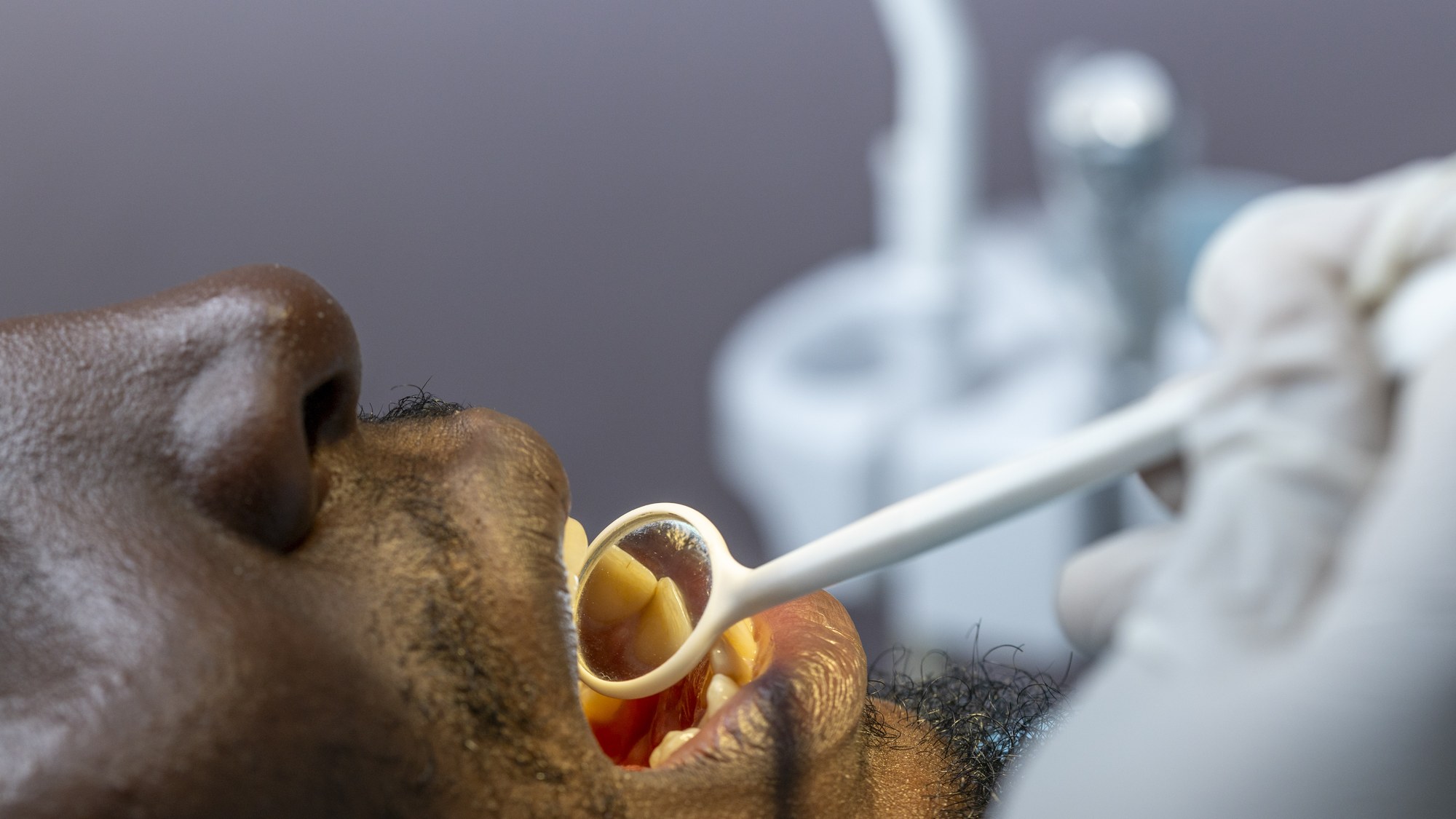
The exclusions are written into the program. Medicare does not cover routine dental care — checkups, cleanings, fillings, extractions, dentures or most other dental work. It likewise does not pay for routine eye exams to get glasses or contact lenses, nor for the glasses themselves in most cases, and it does not cover hearing exams for fitting a hearing aid or the devices, which can run into the thousands of dollars a pair. These are not oversights that get patched at renewal; they are permanent features of the original program dating to its design. For a retiree on a fixed income, that means the everyday maintenance of aging — a cracked molar, a new prescription, failing hearing — falls entirely outside the coverage many assumed was comprehensive.
Free retirement updates: One number can cost or save hundreds a month in retirement. The free Retirement Shield newsletter surfaces the ones worth knowing. Sign up free.
The narrow exceptions worth knowing
The rule is not absolute at the edges. Medicare will pay for dental, vision or hearing services when they are tied to a covered medical problem rather than to routine care. It can cover dental work that is an inseparable part of another covered procedure — for example, an exam before certain surgeries — and it covers medical treatment for eye disease such as glaucoma testing for high-risk patients or care after cataract surgery, including one pair of corrective lenses in that specific situation. Hearing is treated similarly: a diagnostic hearing or balance exam ordered by a doctor to investigate a medical condition can be covered, even though the routine test to fit a hearing aid is not. The distinction is medical necessity versus routine maintenance, and it is a fine line that leaves the ordinary, recurring costs squarely on the patient.
Where the extra coverage comes from
Because the gaps are so predictable, most retirees fill them one of a few ways. Many Medicare Advantage plans bundle in dental, vision and hearing benefits, which is a large part of their appeal. Medicare frames Advantage as one of the two main coverage options, and the extra benefits are a genuine draw — but they come with the tradeoffs of Advantage plans, including networks and annual changes, and the dental or hearing allowances are often capped at modest yearly limits that do not stretch far against a major bill. Others buy standalone dental and vision insurance, join a discount plan, or simply pay out of pocket and shop for lower-cost providers. Medigap policies, which supplement Original Medicare, generally do not add dental, vision or hearing coverage, so a person on Original Medicare with a Medigap plan still has these three gaps.
For lower-income retirees, some help exists. Medicaid covers dental benefits in many states for those who qualify, and Medicare points beneficiaries toward programs that help with costs for people with limited income and resources. Community health centers and dental schools also offer reduced-price care. None of that changes what Original Medicare itself pays, which for routine dental, vision and hearing remains nothing.
The practical lesson is to plan for these costs as a certainty rather than a surprise. A retiree choosing between Original Medicare and an Advantage plan should weigh how much the bundled dental, vision and hearing benefits are actually worth against their real needs, and read the annual caps closely rather than assuming “included” means “unlimited.” Those staying with Original Medicare should build a line item into their budget for teeth, eyes and ears, because the program that covers a hospital stay will not cover a new set of dentures — and the bill for ignoring that gap tends to arrive at the worst possible time.
What the gaps cost in real dollars
The size of these bills is what makes the exclusions sting. A single pair of prescription hearing aids commonly runs between roughly $2,000 and $7,000, and the devices typically need replacing every few years. A dental crown can cost $1,000 or more, a dental implant several thousand dollars, and a full set of dentures often lands in the low thousands — all paid entirely out of pocket by a retiree on Original Medicare. Even routine upkeep adds up: twice-yearly cleanings, an annual eye exam, and a new pair of glasses can total several hundred dollars a year before anything goes wrong. Over a decade of retirement, a couple can easily spend tens of thousands of dollars on the three categories Medicare treats as outside its scope, none of it counting toward any deductible or out-of-pocket cap because the program does not recognize the expense at all.
The narrow exceptions rarely dent those totals. Medicare will pay for one pair of standard eyeglasses or contact lenses after cataract surgery that implants an intraocular lens, a specific carve-out spelled out in the rules on eyeglasses and contact lenses, with the patient still owing 20 percent of the approved amount and any charge for upgraded frames. Outside that single situation, frames and lenses are the patient’s expense. Treating these predictable costs as a standing budget line, rather than a string of surprises, is what separates a planned expense from a scramble for cash a retiree did not see coming.
This article was researched and drafted with the assistance of AI and reviewed by The Financial Wire editorial team.
More Financial Reading
- What really happens to your joint savings account when you die?
- Bank statements: how long to keep them and when to toss them