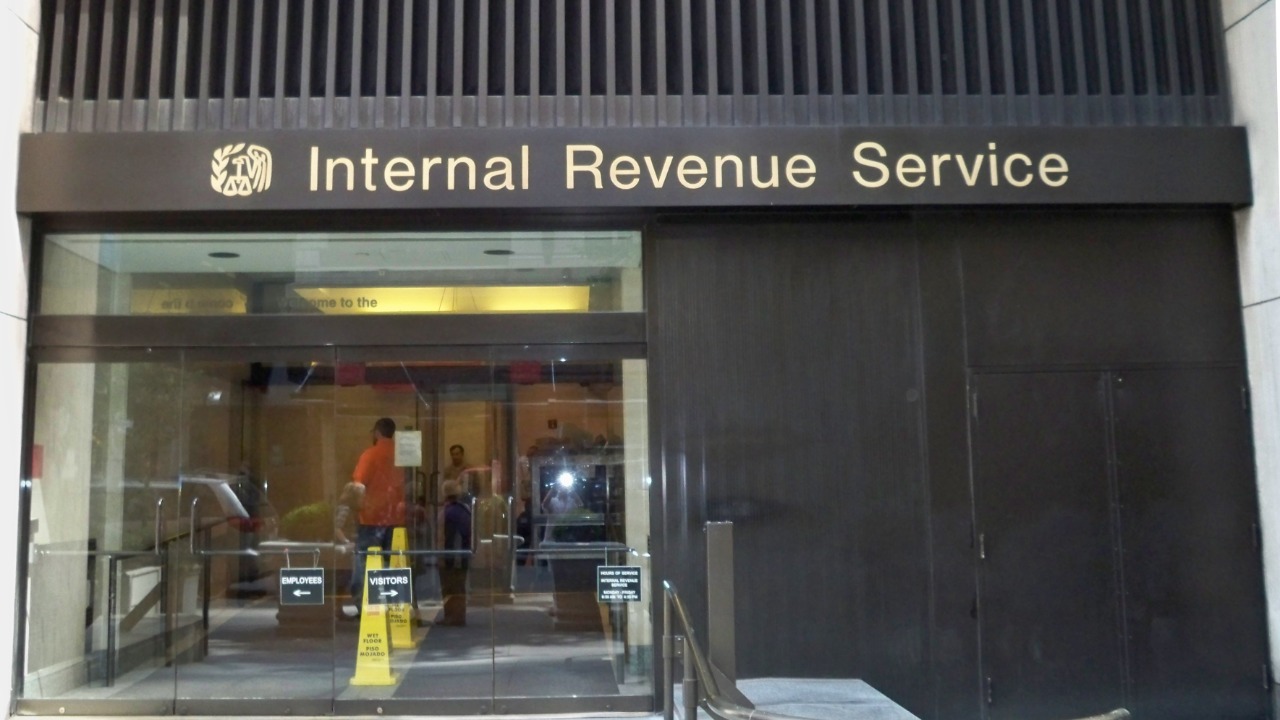
Americans looking to file taxes without paying software fees still have a path to do it, but the landscape has changed. For the 2026 filing season, the Internal Revenue Service is steering eligible taxpayers to its long-running Free File program. The program offers no-cost federal tax preparation through private-sector partners. The shift matters because the agency’s separate Direct File system, which let some taxpayers file directly with the IRS, is not available this season.
That leaves Free File as the most visible IRS-backed online option for households trying to avoid tax prep charges. It can still save many filers money, especially those with straightforward returns. However, it works differently from Direct File and comes with more variation depending on which software partner a taxpayer chooses.
Who qualifies for IRS Free File
The IRS says taxpayers with adjusted gross income of $89,000 or less for tax year 2025 can use Free File guided tax software at no cost. For the 2026 filing season, the program includes eight trusted partners. Each of these partners sets its own eligibility rules beyond the income cap. Those additional rules can involve age, military status, and state residency. In practical terms, that means Free File is not a single uniform product. It is a group of offers available through IRS.gov.
A taxpayer may qualify for one partner’s free filing offer but not another, even if income falls below the overall threshold. That makes it important to compare options carefully rather than click into the first familiar brand name. The IRS also offers Free File Fillable Forms, which are available regardless of income. But that option is best suited to filers who are comfortable preparing returns on their own. It does not provide the same guided, step-by-step software experience that most taxpayers expect when they hear the phrase free tax filing.
Why the 2026 season feels different
The biggest reason this filing season may feel more complicated is the disappearance of Direct File. That program had started to build a following because it allowed eligible taxpayers to complete federal returns directly. The process uses an IRS-run system rather than through commercial tax software. For some users, that made the process feel simpler and more straightforward. Now that Direct File is off the table, the IRS is once again leaning on Free File and other no-cost resources to serve taxpayers who want to keep filing expenses at zero.
That does not mean free filing has vanished. It does mean the easiest option for some households last year is no longer available. Now, filers may need to spend more time comparing choices. That distinction is central to the story. Free File and Direct File were never interchangeable.
Free File routes taxpayers to private-sector software companies participating in the IRS program. Direct File kept the entire federal return process within an IRS-operated system. Readers who used Direct File before may assume they can simply return to the same setup this year, but they cannot.
What “free” actually covers
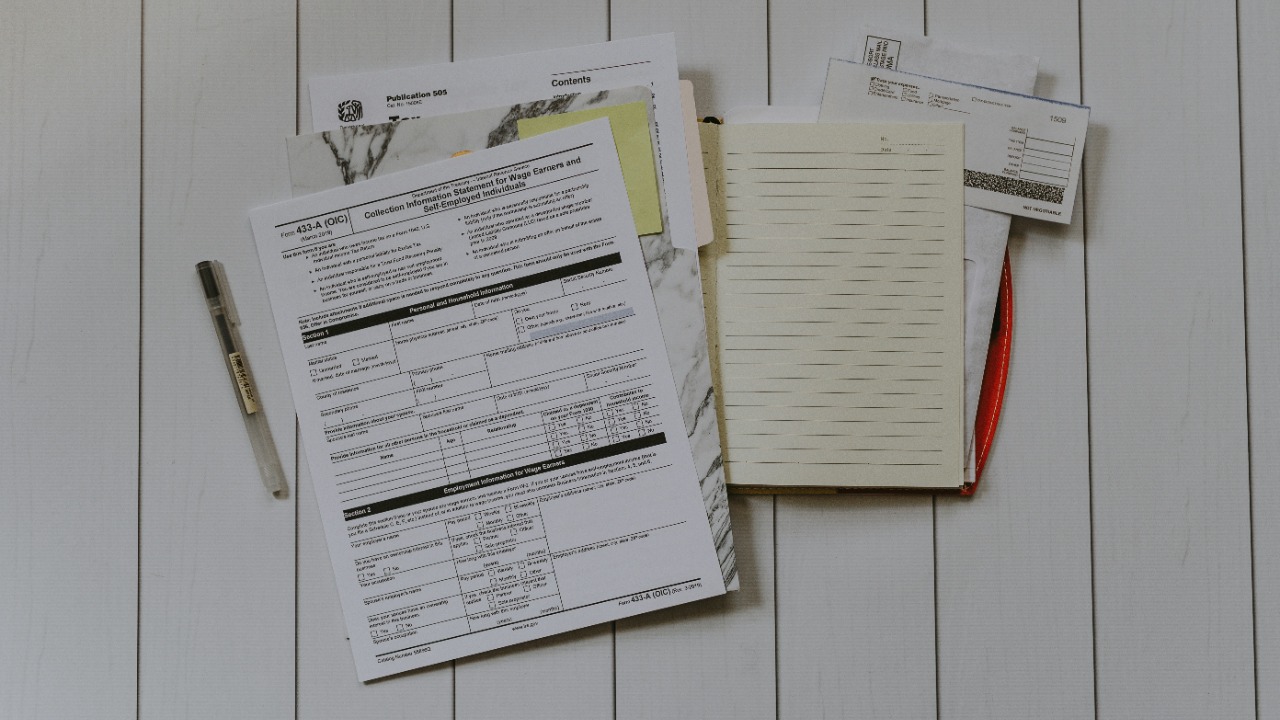
One of the most important details for taxpayers is that free federal filing does not always mean every part of the process will be free. The IRS makes clear that some Free File partners include free state tax return preparation and filing. Meanwhile others may charge for state returns. That difference can turn what looks like a fully no-cost option into a partial discount if a taxpayer picks the wrong provider. That is where many people get tripped up.
They begin a return through a familiar tax software brand and work their way through most of the questions. They only later learn that the state return is not covered. At that point, many filers decide it is easier to pay the extra fee than start over with another provider. The result is that a taxpayer may still avoid a federal prep charge while paying more than expected overall. The best way around that problem is to start through the IRS portal and review each offer’s terms before committing.
The details are important. One partner may cover both federal and state filing for a taxpayer in one state, while another may offer only free federal filing. Those differences are easy to miss if someone goes directly to a software company’s site without first checking the IRS offer page.
What taxpayers should keep in mind
For most readers, the real takeaway is not that the government rolled out a brand-new free filing system. It is that an older one remains in place and matters more now that Direct File is gone. Free File can still be a useful money-saving option for eligible households. However, it requires more comparison shopping than some taxpayers may expect. That makes the filing experience less about a headline promise of free taxes and more about reading the fine print.
A filer who qualifies under the IRS income threshold still has a strong chance of preparing and e-filing a federal return at no cost. But the exact experience, and whether a state return is also free, depends on which partner matches that taxpayer’s profile. For taxpayers who do not qualify for guided Free File software, or who prefer a different route, the IRS still points to Fillable Forms and volunteer assistance programs as alternatives. Those options will not work for everyone, but they do mean that free filing has not disappeared altogether. It has simply become less centralized and, for some households, less intuitive. That is why Free File is drawing renewed attention this season.
With Direct File unavailable, the program is once again the main IRS-backed online filing route for many people who want to avoid paying for basic federal tax preparation. For readers trying to cut costs, the smartest move is to start with the IRS, compare the offers closely, and confirm state-return pricing before getting too far into the process.