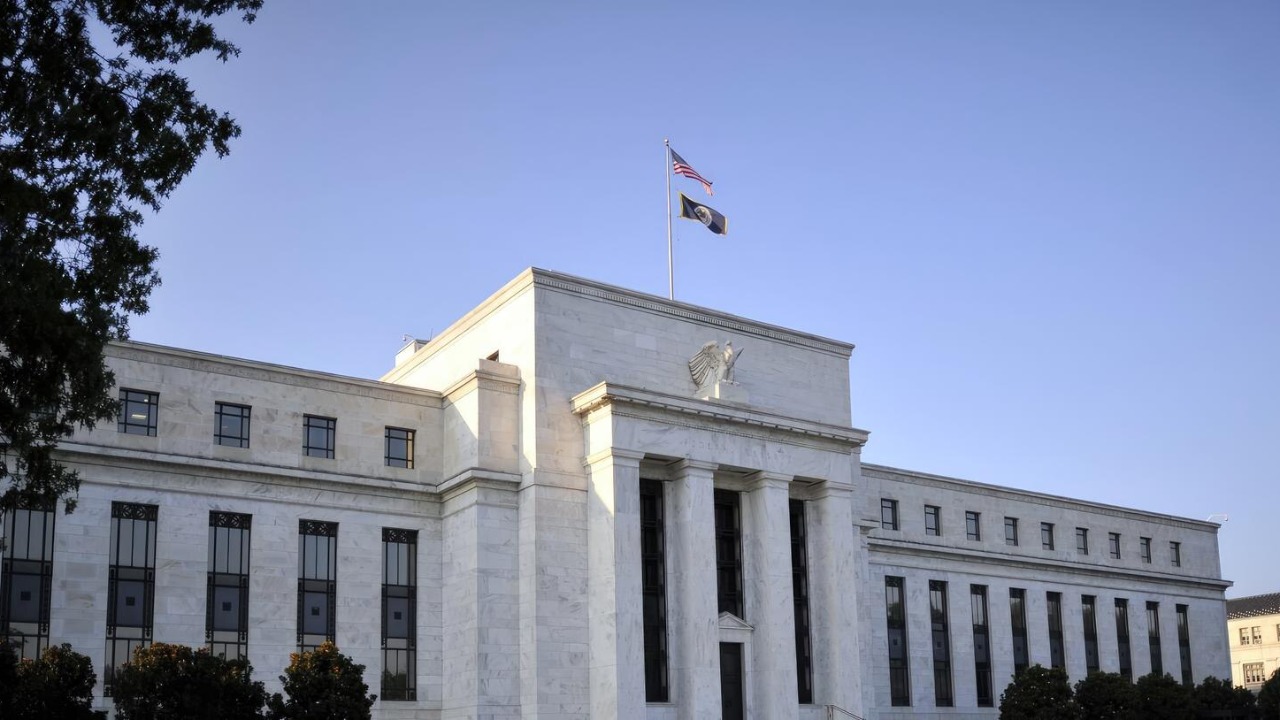
The U.S. national debt has crossed $38 trillion, another milestone that arrived faster than the last one. Just as striking, the government’s annual interest burden has moved above $1 trillion, turning what was once a long-range warning into an immediate budget reality. Those two numbers matter together. A debt total on its own is easy to dismiss as abstract, especially in an economy as large as the United States. But once the cost of carrying that debt starts consuming more than a trillion dollars a year, the effect is harder to ignore. Interest is no longer a side note in the federal budget. It is one of the main pressures shaping what Washington can spend, borrow, or realistically promise in the years ahead.
From $37 Trillion to $38 Trillion in Barely Two Months
The federal government’s gross debt moved past $38 trillion in October 2025, according to Treasury data cited in Associated Press reporting on the milestone. That came only a little more than two months after the debt reached $37 trillion in mid-August, a pace that stood out even by recent standards. The jump was partly a reflection of timing. During the earlier debt ceiling standoff, Treasury relied on extraordinary measures that limited new borrowing. Once those constraints lifted, delayed borrowing needs showed up quickly in the headline total. Even so, the broader story did not change. The debt kept climbing because the government continued to spend far more than it collected. Treasury’s Debt to the Penny series shows the daily running total of federal debt, including both debt held by the public and intragovernmental holdings. By the end of fiscal 2025, Treasury’s own finance guide placed the national debt at roughly $37.6 trillion, and the daily tally kept moving higher after that. The crossing of $38 trillion was less a surprise than a visible marker of a fiscal trend that has been building for years.
What the $38 Trillion Figure Actually Includes

The headline debt number combines two major categories. One is debt held by the public, which includes Treasury securities owned by investors, pension funds, foreign governments, mutual funds, banks, and the Federal Reserve. The other is intragovernmental debt, which represents money one part of the federal government owes another, mainly trust funds such as Social Security and Medicare. That distinction matters because debt held by the public is the cleaner measure of how federal borrowing affects the broader economy. In its fiscal 2025 debt audit, the Government Accountability Office reported that debt held by the public reached $30.3 trillion at the end of the fiscal year, up from $28.2 trillion a year earlier. Total federal debt managed by the Bureau of the Fiscal Service stood at $37.6 trillion as of Sept. 30, 2025. Intragovernmental debt is not meaningless. It reflects obligations tied to major federal commitments and shows how much trust funds have invested in Treasury securities. But when economists and budget analysts talk about pressure on credit markets, future borrowing capacity, and the federal debt burden relative to the economy, they generally focus on debt held by the public.
The Interest Bill Has Become the Bigger Story
The more important development may be the cost of carrying the debt. GAO found that interest expense on debt held by the public rose from about $500 billion in fiscal 2022 to about $1.0 trillion in fiscal 2025, nearly doubling in three years. Treasury’s monthly budget reports show why: as older low-rate debt matures, it is being refinanced at significantly higher yields than the government paid during the near-zero-rate years. That rollover effect has changed the budget math. Even if Congress held many other programs roughly flat, the government would still face a rising interest tab simply because so much debt must be refinanced every year. Interest is not optional spending. Treasury has to pay bondholders in full and on time, which means the bill gets paid before lawmakers debate many other priorities. That is why crossing the $1 trillion threshold matters. It means debt service is no longer a distant budget problem. It is now large enough to compete directly with the programs and priorities voters usually think of first, from defense and transportation to research, education, and public health.
Debt Relative to the Economy Is Closing in on a Record
Nominal debt totals are useful for scale, but debt as a share of gross domestic product is the more meaningful gauge of fiscal strain. GAO reported that debt held by the public was about 99 percent of GDP at the end of fiscal 2025, up slightly from about 98 percent a year earlier. The longer-range outlook is more troubling. In its Budget and Economic Outlook, the Congressional Budget Office projected in early 2025 that debt held by the public would rise from 100 percent of GDP in 2025 to 118 percent by 2035, which would put it above any point in U.S. history outside the aftermath of World War II. GAO’s own fiscal health report similarly warned that debt held by the public would reach its historical high of 106 percent of GDP by 2027 if current policies remain in place. That does not mean a crisis is guaranteed on a specific date. The United States still benefits from unusually deep capital markets and the dollar’s central role in global finance. But it does mean Washington has less room for error. The higher the debt burden rises relative to the economy, the harder it becomes to absorb recessions, emergencies, military shocks, or large new spending needs without even more borrowing.
Why Borrowing Is Still Rising
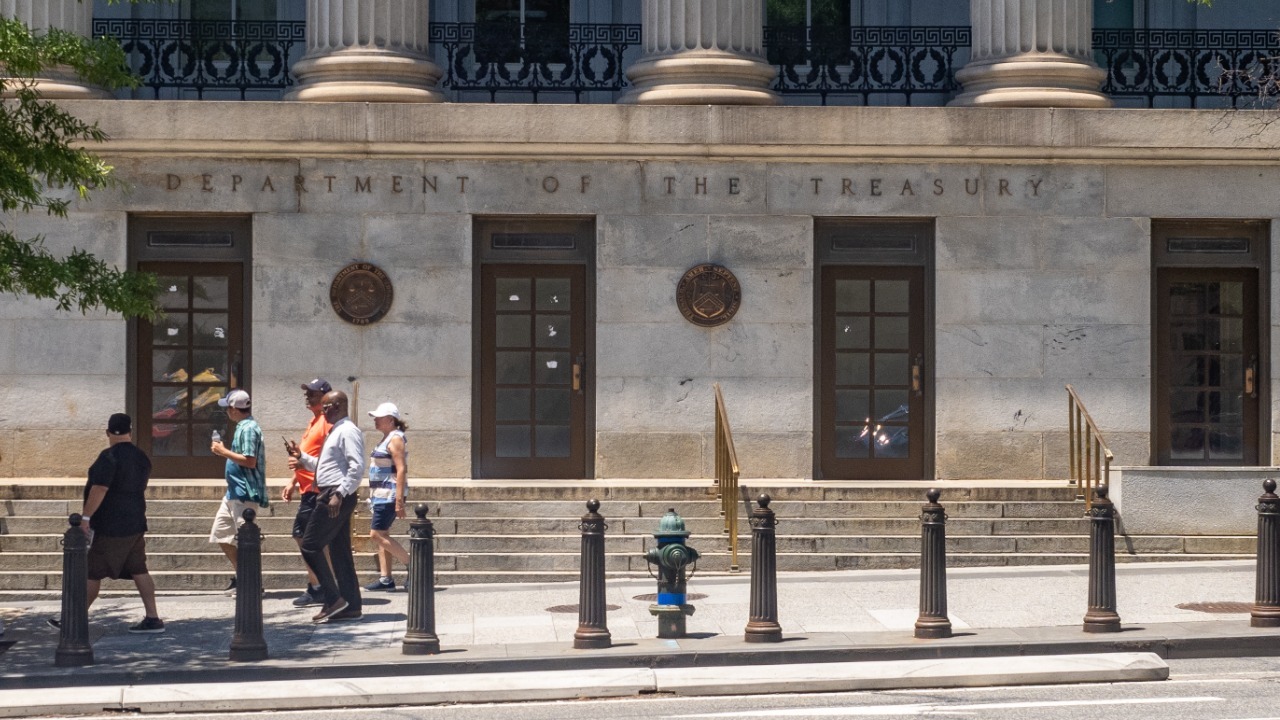
The immediate driver is simple: persistent deficits. Treasury’s final monthly statement for fiscal 2025 showed a deficit of about $1.775 trillion, meaning the government once again spent far more than it collected. Those yearly deficits have to be financed through borrowing, which adds to the outstanding debt and feeds the next year’s interest costs. The deeper issue is structural. Spending on major entitlement programs and interest is growing faster than revenue under current law, while neither party has produced a politically durable plan to close the gap. That leaves the government relying on continued borrowing not just during recessions or crises, but during ordinary economic periods as well. For households, the consequences are indirect but real. High federal borrowing can put upward pressure on rates over time, reduce fiscal flexibility, and make future tax and spending choices tougher. For voters, the practical question is no longer whether the debt is large. It is whether they are prepared for what it will take to stabilize it. The United States can carry a very large debt load for a long time. What becomes harder is carrying a very large debt load while also paying more than $1 trillion a year in interest and still pretending the trade-offs can be avoided. At that point, the debt is no longer just a big number. It is an active claim on the federal budget, and it is getting larger every year.