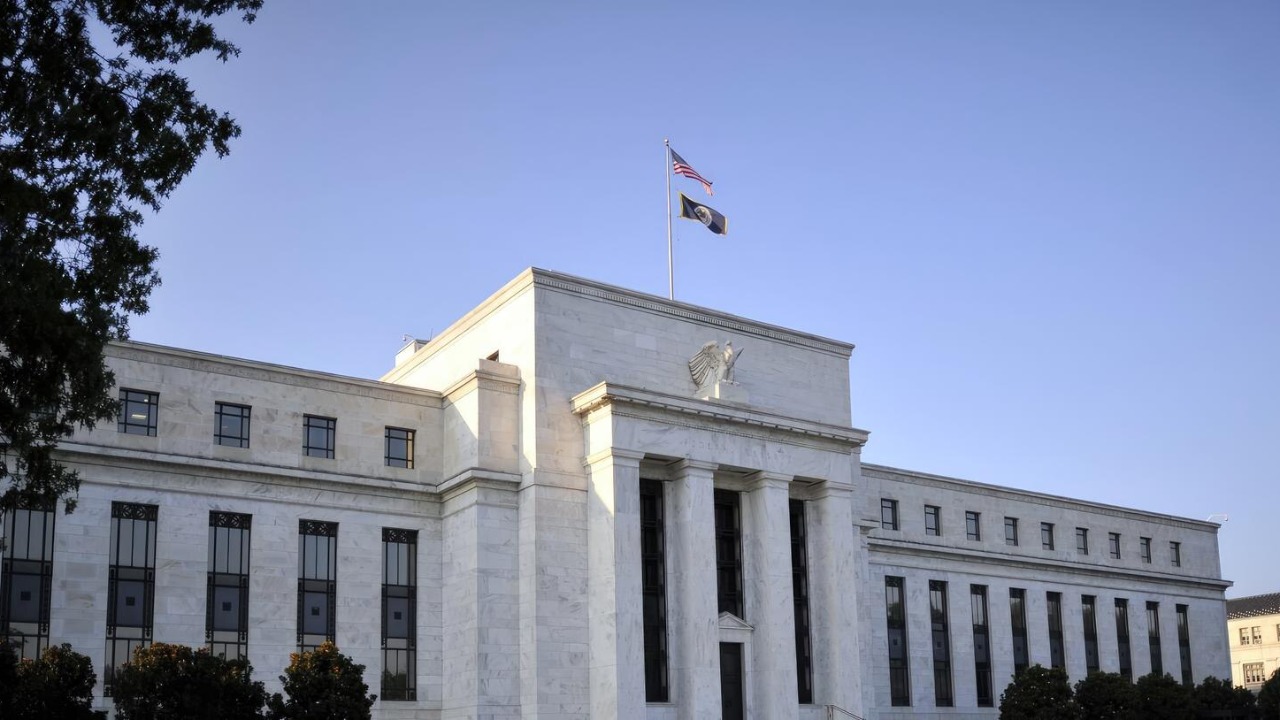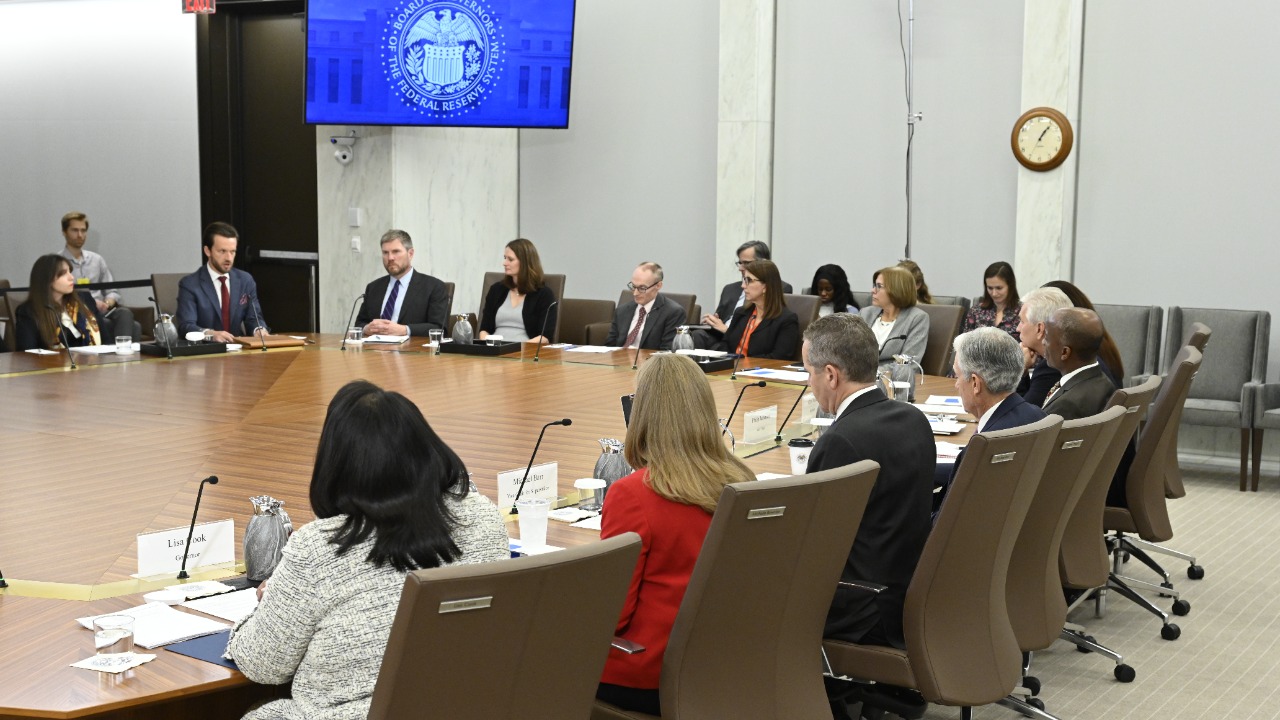
The Federal Reserve entered its December meeting facing a problem that has defined much of the year. Inflation was still running above the central bank’s 2% target, but the job market no longer looked strong enough to justify leaving policy as restrictive as it had been. Officials decided to cut rates anyway, lowering the federal funds target range by a quarter percentage point to 3.50% to 3.75%. That decision matters far beyond Wall Street. Fed policy helps shape borrowing costs across the economy, influencing everything from credit cards and auto loans to home equity lines, small-business financing, and mortgage expectations. This latest move also underscored the difficult position facing policymakers: they wanted to offer some support to a cooling economy without suggesting the inflation fight was over.
| What mattered most | Why it mattered |
|---|---|
| Rate decision | The Fed cut by 0.25 percentage point to a 3.50% to 3.75% range |
| Inflation message | Officials said inflation remains somewhat elevated |
| Employment risk | The Fed said downside risks to employment had risen |
| Outlook | Projections still showed inflation above 2% next year |
What the decision revealed
The clearest signal came from the Fed’s formal policy statement. The Federal Open Market Committee said economic activity had been expanding at a moderate pace, job gains had slowed over the year, and the unemployment rate had edged up through September. At the same time, policymakers said inflation had moved up since earlier in the year and remained “somewhat elevated.” That wording captured the balancing act at the center of the meeting. The Fed was not cutting because inflation had fully returned to target. It was cutting because the employment side of its mandate was starting to demand more attention. In the same statement, officials said they judged that downside risks to employment rose in recent months, a meaningful shift for a central bank that had spent much of the cycle focused primarily on restoring price stability. The split vote made that tension even clearer. According to the Fed, one policymaker preferred a larger half-point cut, while two favored no change at all. That is not the profile of a simple, routine easing campaign. It is the profile of a central bank trying to recalibrate policy in an economy where inflation is still too high for comfort, but where keeping rates too restrictive for too long could do unnecessary damage. The implementation note released alongside the decision confirmed the new target range and the related administered rates used to keep policy aligned with the Committee’s move.
Why markets were prepared for it
By the time the meeting arrived, a quarter-point cut had become the broad expectation. Reuters reported ahead of the decision that investors and economists increasingly expected the Fed to lower rates even as internal divisions persisted over inflation and the policy outlook. The logic was straightforward. Growth had not collapsed, but the labor market no longer looked hot enough to justify standing pat simply to make an inflation point. In his press conference remarks, Chair Jerome Powell said labor market conditions appeared to be gradually cooling while inflation remained somewhat elevated. That combination helped explain why the Fed judged a modest cut was appropriate. Markets also understood what the cut was not. It was not an aggressive pivot. A quarter-point move is the kind of adjustment that can offer some support without signaling that policymakers believe inflation risk has disappeared. In that sense, the Fed tried to thread the needle: acknowledge softer labor conditions while keeping rates restrictive enough to lean against lingering price pressure.
Inflation is still the central issue

The most important takeaway is that the rate cut was not a declaration of victory. The Fed’s Summary of Economic Projections still showed inflation running above 2% next year. The median projection for total PCE inflation was 2.4% in 2026, while core PCE inflation was projected at 2.5%. That matters because it shows the Fed eased policy while openly acknowledging the mission is incomplete. Policymakers were effectively saying that rates no longer needed to be quite as restrictive as before, but that they were not satisfied with where inflation stood. Reuters also noted after the meeting that new projections pointed to only one quarter-point cut in 2026, reinforcing the sense that officials want flexibility, not a rapid march lower. That makes the December decision more consequential than a simple headline cut suggests. It was a move to adjust policy, not a signal that inflation has been beaten.
The Fed lowered rates, but it did so while making clear that inflation is still above target and the road back to 2% is not finished.
What it means for borrowers and the economy
For consumers and businesses, the practical effect will be real but uneven. Fed rate changes can help bring down some variable borrowing costs over time, and they can influence the broader direction of lending rates throughout the economy. That can eventually provide some relief for households carrying revolving debt and for companies financing expansion or equipment purchases. But a quarter-point cut does not instantly reset the cost of credit. Credit card rates may stay painfully high. Mortgage rates may not fall in lockstep. Auto and business borrowing costs can also be shaped by market expectations, inflation data, and Treasury yields, not just the Fed’s benchmark rate. The bigger question now is what comes next. If inflation continues to cool, the Fed could have room to trim rates further. If price pressures stay sticky, officials may pause. If the labor market weakens faster than expected, the case for additional support could strengthen quickly. That is why this meeting was important. The Fed delivered the cut many investors expected, but it paired that move with a message of restraint. Inflation is still above target. Uncertainty is still elevated. And while policymakers were willing to reduce rates, they were not willing to suggest the economy is in an all-clear phase. For borrowers, businesses, and markets, that may be the clearest lesson from December: the Fed is easing, but carefully.