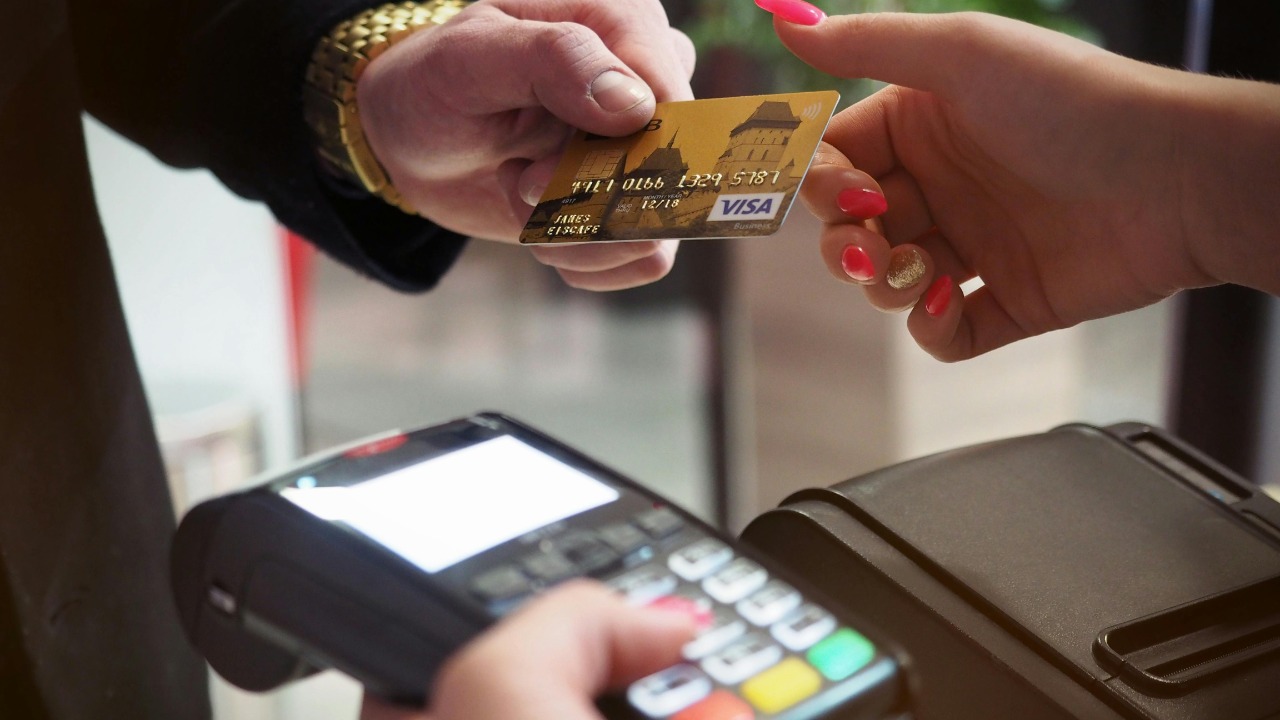
Adoption is still rising, but so is stress
According to the Federal Reserve’s latest Survey of Household Economics and Decisionmaking, 15% of U.S. adults used buy now, pay later in the prior 12 months. That was up from 14% in 2023 and 10% in 2021, a steady increase that shows installment plans are becoming a normal part of consumer spending rather than a specialty product used only for occasional big-ticket purchases. The same survey found that nearly one in four BNPL users were late making a payment in 2024. That is a striking figure for a product often marketed as a cleaner, easier alternative to revolving credit. Among users with household income below $25,000, the share paying late was even higher. For many households, the issue is not simply whether BNPL is convenient. It is whether a series of small obligations can pile up faster than a budget can absorb. That tension runs through the Fed’s data. People said they used BNPL mainly to spread out payments and for convenience, but 58% also said it was the only way they could afford the purchase. Among users making under $50,000 a year, that figure rose to 72%. That suggests BNPL is often being used not just as a budgeting tool, but as a way to get through a purchase that otherwise would not fit.Many borrowers are juggling more than one loan at a time

The credit reporting shift could change the stakes
For years, one of BNPL’s defining features was that much of the activity sat outside the standard credit file. That is beginning to change. In March 2025, Affirm said it would expand reporting to Experian to include all of its pay-over-time products issued from April 1, 2025 onward, including Pay in 4. Experian said the move would improve transparency and help create a more complete picture of borrowing behavior. The bigger signal came in June 2025, when FICO announced new credit scores that incorporate BNPL data. That matters because it shows the scoring industry no longer sees these loans as too marginal to model. Instead, BNPL is being treated as a real piece of the consumer credit picture, even if adoption across lenders will take time. For borrowers, that creates a split outcome. Someone who uses BNPL sparingly and pays on time could eventually benefit from a thicker, more positive repayment record. Someone who uses multiple plans to bridge gaps in monthly cash flow could face the opposite result once missed payments or heavy loan volume become easier for lenders to see.Why this matters now
The timing is important because BNPL is showing up in an economy where many consumers still feel squeezed by higher everyday costs. The appeal is obvious. Splitting a purchase into four payments sounds safer than putting it on a credit card that may charge double-digit interest. But the psychological effect can work against consumers. Smaller installments make a purchase feel lighter at the moment of sale, even when the household is already committed to other upcoming payments. That is part of what makes the recent late-payment figures so significant. A product built around simplicity is proving easy to overuse. And once it becomes more visible inside credit files and newer scoring models, mistakes that once stayed inside a retailer app or fintech account may have wider consequences. There is also a practical challenge for lenders and regulators. BNPL is not a perfect match for traditional installment lending or credit cards. Some products are short, some are longer term, and reporting practices are still uneven. That means the transition into mainstream credit reporting is likely to be gradual, not clean. Even so, the direction of travel is clear.What consumers should watch

Vince Coyner is a serial entrepreneur with an MBA from Florida State. Business, finance and entrepreneurship have never been far from his mind, from starting a financial education program for middle and high school students twenty years ago to writing about American business titans more recently. Beyond business he writes about politics, culture and history.