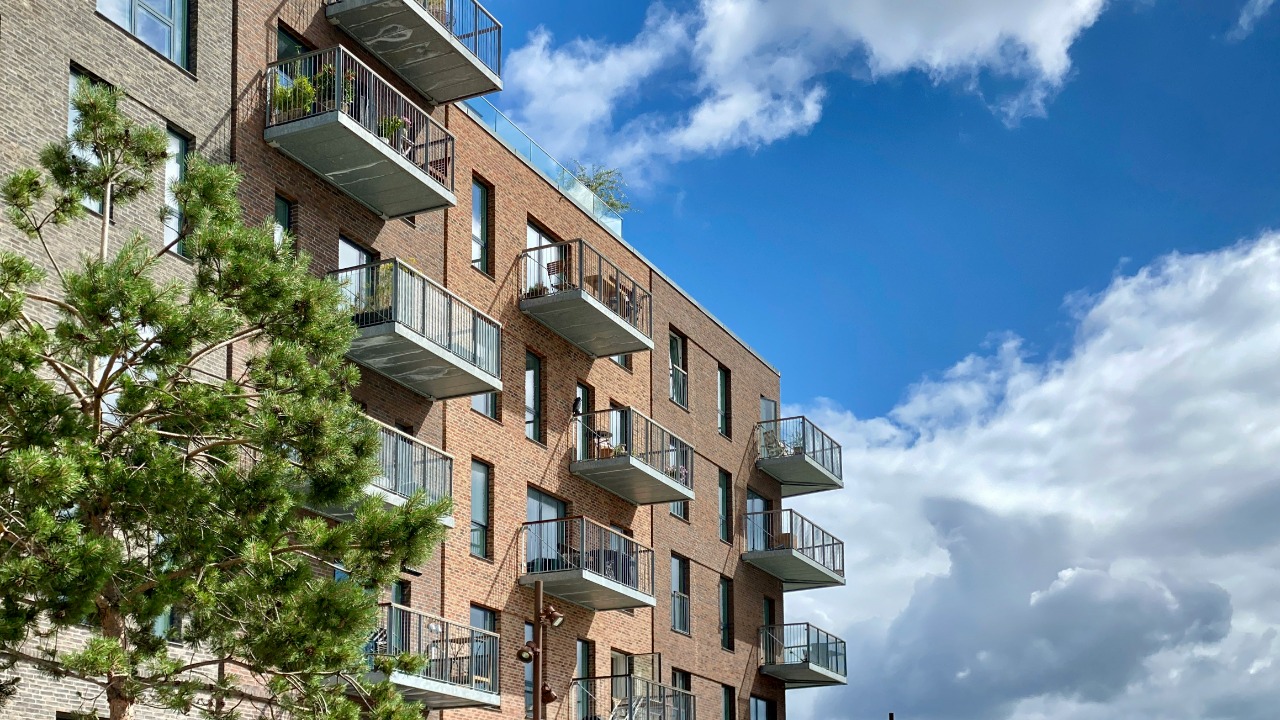
Rents are softening across more big markets
What makes this moment stand out is not just that rents are down in a few overheated Sun Belt hubs. It is that the relief has spread. In Redfin’s rental tracker, asking rents were falling in 28 major metros, the largest share since 2023, with some of the biggest drops showing up in places that saw the sharpest rent inflation during and after the pandemic. That broader footprint matters. Earlier pullbacks were easy to dismiss as corrections in a small cluster of boomtowns. This time, the pressure has eased in a wider mix of markets, especially across the South and Mountain West, where builders spent several years racing to keep up with migration and investor demand. The result is a rental market that looks less like a straight climb and more like a reset. The $2,000 line carries its own symbolic weight. In 2022, that figure came to represent how quickly renting had become more expensive in cities that were once marketed as affordable alternatives to the coasts. Redfin reported in 2022 that the typical U.S. asking rent had surpassed $2,000 for the first time. Seeing more major metros drift back below that threshold is not a return to pre-pandemic affordability, but it is a meaningful break from the market psychology of the last few years.Why supply is finally making a difference
The biggest reason rents are no longer climbing the way they did in 2021 and 2022 is simple: there are more apartments competing for tenants. Developers responded to the earlier price surge with an aggressive burst of multifamily construction, and many of those projects began delivering into the market over the last year. That pipeline has been especially visible in parts of Texas, Arizona, Florida, Georgia, and the Carolinas, where large apartment communities came online in clusters. When several new buildings open in the same submarket at the same time, owners have less room to test ambitious pricing. They have to fill units. That often means trimming rents, offering a free month, waiving fees, or leaning harder on concessions. The supply wave was large enough that even as new development slowed, its effects kept rippling through the market. Redfin noted in a separate analysis of multifamily permits that developers were already pulling back, with permit activity dropping below pre-pandemic levels. In other words, the industry has started building less, but a lot of the earlier construction had not fully worked through the system yet.Vacancy is not surging, but it is no longer ultra-tight

What this means for renters and the wider economy
The immediate benefit is obvious: lower or flatter rents mean less strain on household budgets. But the ripple effects are bigger than that. Rent has been one of the stickiest parts of inflation, and any sustained cooling in asking rents can eventually feed into broader inflation measures with a lag. For renters, even a modest drop can matter. A lease that resets from just over $2,000 to just under it may not feel like a windfall, but over a year it can mean hundreds or thousands of dollars that stay in the household instead of going to housing costs. That can ease pressure on savings, reduce reliance on credit cards, and make it more realistic to absorb other rising expenses such as insurance, utilities, and groceries. It also matters for would-be buyers. Many households that expected to buy by now have remained renters because mortgage rates and home prices still make ownership difficult. When rent cools, those households gain a little breathing room. Some may save more for a down payment. Others may simply choose to wait longer, which can dampen urgency in the for-sale market too.Not every city is joining the downshift
The relief is real, but it is uneven. Cities with chronic supply constraints, tight zoning, and stronger high-income demand have not seen the same degree of giveback. That is why the new under-$2,000 threshold matters most in markets that built aggressively and are now working through the consequences of that building boom. This is becoming a story of two rental Americas. In one, renters in supply-rich metros have options, bargaining power, and more listings to compare. In the other, renters in supply-constrained coastal markets are still dealing with limited inventory and stubbornly high prices. That split may not last forever. Redfin wrote in its 2026 housing forecast that apartment construction is slowing and rents could begin rising more in step with inflation as supply falls back. That means today’s softer market may be a window, not a permanent reset.Why the window may not stay open for long

Paul Anderson is a finance writer and editor at The Financial Wire. He has spent seven years writing about investment strategies and the global economy for digital publications across the US and UK. His work focuses on making sense of economic policy, cost-of-living issues, and the stories that affect everyday Americans.