Consumer prices in the United States climbed 0.3% in December 2025 on a seasonally adjusted basis, pushing the annual inflation rate to 2.7% above its level a year earlier. The reading, released by the Bureau of Labor Statistics on January 13, 2026, capped a year in which monthly price swings varied widely and federal funding disruptions complicated the government’s ability to track them. For households still absorbing higher costs for rent and food, the December print offered little relief and raised fresh questions about the Federal Reserve’s next steps on interest rates.
What the December Numbers Show
The official CPI release reported that the Consumer Price Index for All Urban Consumers (CPI-U) rose 0.3% from November to December 2025 after seasonal adjustment. Over the full 12 months ending in December, the all-items index stood 2.7% higher than in December 2024. Shelter costs, which carry heavy weight in the index because they reflect what most Americans spend the largest share of their income on, continued to drive the monthly increase. Energy prices, by contrast, fell, and food prices edged up only modestly.
Those topline figures place inflation in a narrow but stubborn range. The Fed’s 2% target remains out of reach, yet the annual rate has not accelerated sharply either. That middle ground has practical consequences: it is too high for the central bank to declare victory, but not alarming enough to force aggressive tightening. The result is a policy environment defined by patience and uncertainty rather than decisive action, a theme echoed in recent coverage of price trends in the daily business pages.
Market reaction to the December report was muted but telling. Investors who had been betting on rapid rate cuts scaled back some of those expectations, while still assuming that inflation will drift lower over the course of 2026. Analysts parsing the detailed tables noted that core services (especially housing) remain the main source of stickiness, even as goods prices show signs of cooling or outright declines in several categories.
A Year of Uneven Price Swings
December’s reading closed out a turbulent 12 months for consumer prices. According to the BLS’s 2025 year-in-review analysis, individual CPI component changes during the year ranged from negative 3.4% to positive 11.8%. That spread tells a story of deeply uneven inflation. Some categories, likely energy-related goods, saw outright price declines, while others surged at rates well above the headline figure.
The wide dispersion matters because it means the 2.7% annual number masks very different experiences depending on what a household actually buys. A family spending heavily on rent and groceries faced a steeper effective inflation rate than the headline suggests. A commuter benefiting from lower gasoline prices may have felt the opposite. The CPI, as the IMF’s technical manual explains, tracks a weighted basket of goods and services purchased by urban consumers, and its headline number is always a composite that smooths over divergent category-level trends.
Another way to see the unevenness is to compare goods and services. Durable goods such as cars and appliances have seen prices stabilize or even decline as supply chains normalized, while services tied to labor-intensive sectors (health care, hospitality, and housing) have continued to rise. For many households, that means savings on one side of the budget are quickly absorbed by increases on another, leaving overall monthly expenses still uncomfortably high.
Funding Lapses Clouded the Data Picture
Ivan S/Pexels
One underappreciated wrinkle in the 2025 inflation story is the disruption caused by federal funding gaps. The BLS published a detailed explanation of how lapses in appropriations during 2025 and into 2026 forced the agency to revise its release schedule and, in some cases, delay or limit the data it could publish. For a statistical agency that depends on continuous field collection and timely processing, even short interruptions can ripple through the quality of seasonal adjustments and sub-index detail.
The December CPI itself arrived on its originally scheduled date, but earlier disruptions may have affected the baseline data against which December’s changes were measured. Shelter indexes, for instance, rely on a rotating sample of rental units surveyed over multiple months. If field collection was interrupted or curtailed during a funding lapse, the resulting shelter estimates could carry more noise than usual. That possibility does not invalidate the 0.3% monthly or 2.7% annual figures, but it does introduce a layer of uncertainty that most coverage of the December print has glossed over.
Analysts with access to the BLS supplemental files can cross-check index levels and month-over-month calculations directly, which is one way to test whether the shelter component behaved differently from pre-lapse patterns. For policymakers, the episode is a reminder that reliable inflation measurement depends not just on methodology but on stable institutional support for the agencies that collect the data.
Shelter Costs Remain the Sticking Point
Housing-related inflation has been the most persistent source of upward pressure on the CPI for more than two years, and December was no exception. The shelter index, which includes rent of primary residence and owners’ equivalent rent, has consistently outpaced the overall index. Because shelter accounts for roughly a third of the CPI basket, even moderate monthly increases in that category can keep the headline number elevated.
The stickiness of shelter inflation reflects a structural lag. Rental agreements typically reset annually, so market-rate declines in new leases take many months to filter into the CPI’s measure of average rents actually paid. Economists tracking real-time rental listings have noted softening in asking rents in several major metro areas, but that softening has been slow to appear in the official data. Until the shelter component decelerates meaningfully, the overall CPI is unlikely to settle at or below 2% on a sustained basis.
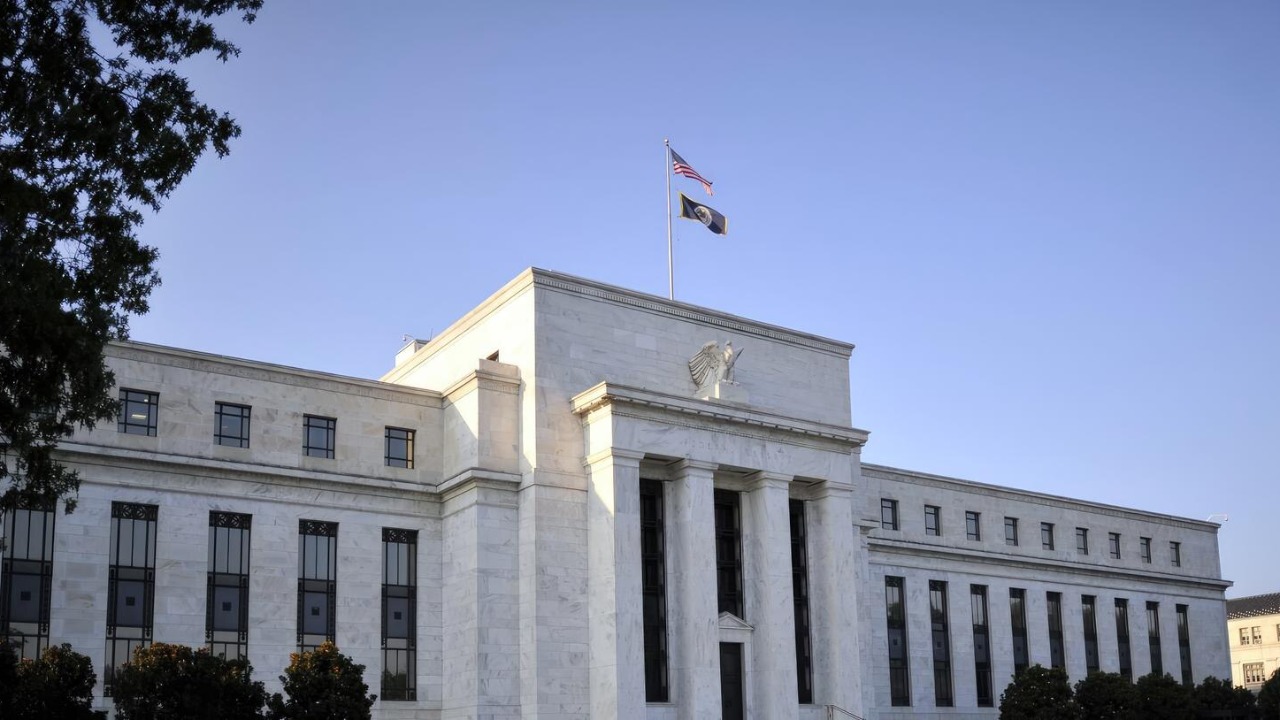
That dynamic is central to the Federal Reserve’s deliberations over the path of borrowing costs. As reported in recent coverage of the Fed’s debates over future rate cuts, officials have signaled they want “greater confidence” that inflation, especially in services, is moving durably toward target before easing policy more aggressively. Shelter is a key part of that calculus.
What It Means for Borrowing and Budgets
For consumers, the December inflation data translates into continued pressure on purchasing power. Grocery bills, while not rising as fast as shelter, have accumulated significant increases over the past three years. Energy costs offered a brief reprieve in December, but gasoline prices remain volatile and subject to geopolitical disruption, a factor that has already been reflected in coverage of how tensions abroad are affecting mortgage and fuel costs.
Higher-for-longer interest rates compound the squeeze. Elevated policy rates have kept borrowing costs for credit cards, auto loans, and home purchases at levels that many households have not experienced in more than a decade. Reporting on the December CPI by outlets such as the Washington Post’s business desk has emphasized that even modest monthly increases, layered on top of earlier jumps, leave many families feeling like they are running in place.
The interaction between inflation and rates is especially visible in the housing market. Prospective buyers face both high prices for homes and higher mortgage rates, while renters see steady increases in monthly payments. That combination has pushed some households to delay major purchases or stretch their budgets in ways that leave little room for savings or emergencies.
How the Fed Reads the Data
Image by Freepik
The Federal Reserve does not rely solely on the CPI; it focuses more on the Personal Consumption Expenditures price index, which weights categories differently and tends to run slightly cooler. Still, the December CPI report is an important input into the broader inflation picture. Recent analysis of PCE data has shown a similar pattern of gradual cooling, as described in coverage of recent spending and price trends, but with lingering strength in services.
For Fed officials, the December numbers reinforce a cautious stance. Inflation is no longer the emergency it was when prices were rising at multiples of the target, but the job is not finished. Cutting rates too quickly risks reigniting price pressures, especially if shelter and other services remain hot. Moving too slowly, on the other hand, risks unnecessarily restraining growth and keeping borrowing costs elevated for households and businesses.
The central bank’s challenge in 2026 is therefore less about crisis management and more about calibration. December’s 0.3% monthly increase and 2.7% annual rate fit that narrative: not alarming, not yet comfortable, and still very much a work in progress for policymakers and households alike.
David M. Keller is a finance writer based in Columbus, Ohio, covering personal finance and consumer-focused economic topics. He earned his degree in journalism from Ohio University and began his career reporting on local business and economic trends for a regional media outlet. Since then, he has contributed to a variety of online publications, focusing on clear, practical coverage of topics such as cost of living, debt, and everyday financial decision-making.