Shoppers who paid inflated prices on imported goods last year want their cut of the refund. In a string of class-action lawsuits filed in federal courts in early 2026, consumers have targeted Costco, Nintendo, and Temu, arguing that these companies raised retail prices to cover tariff costs, then stood to pocket billions in government refunds without returning a cent to the buyers who absorbed the markup.
The suits lean on unjust-enrichment claims and state consumer-protection statutes. But trade and customs attorneys say the cases face extraordinarily long odds. Mark Ludwikowski, a partner at Clark Hill who chairs the firm’s international trade practice, told Reuters that the federal refund system was designed for importers, not retail buyers, and that no existing statute or appellate precedent gives a consumer the right to intercept a duty reimbursement. Winning, he noted, would require courts to create entirely new law.
Where the $166 billion figure comes from
The number anchoring these lawsuits traces to tariff-revenue estimates published by the Yale Budget Lab and the Tax Foundation. Both organizations tracked duties collected after President Trump invoked the International Emergency Economic Powers Act in early 2025 to impose sweeping tariffs on consumer goods from major trading partners, including China. The $166 billion figure represents an approximate total of IEEPA-related duties collected through early 2026, as calculated across multiple reports from these two groups; neither organization has published a single report isolating that exact number, and the figure should be understood as a rounded estimate drawn from their cumulative analyses. IEEPA had historically been a tool for freezing assets and blocking financial transactions tied to national emergencies. The 2025 executive orders marked the first time any president used the statute to set broad import levies.
When portions of those tariffs were later paused, reduced, or struck down by courts, the overpayments became eligible for refund. U.S. Customs and Border Protection has confirmed the refund pipeline is real. The agency published step-by-step guidance on its IEEPA refund portal, directing importers to enroll through the Automated Commercial Environment system and set up ACH payment channels. A CBP trade bulletin (CSMS #68315804) set April 20, 2026, as the go-live date for CAPE, the Consolidated Administration and Processing of Entries system handling disbursements.
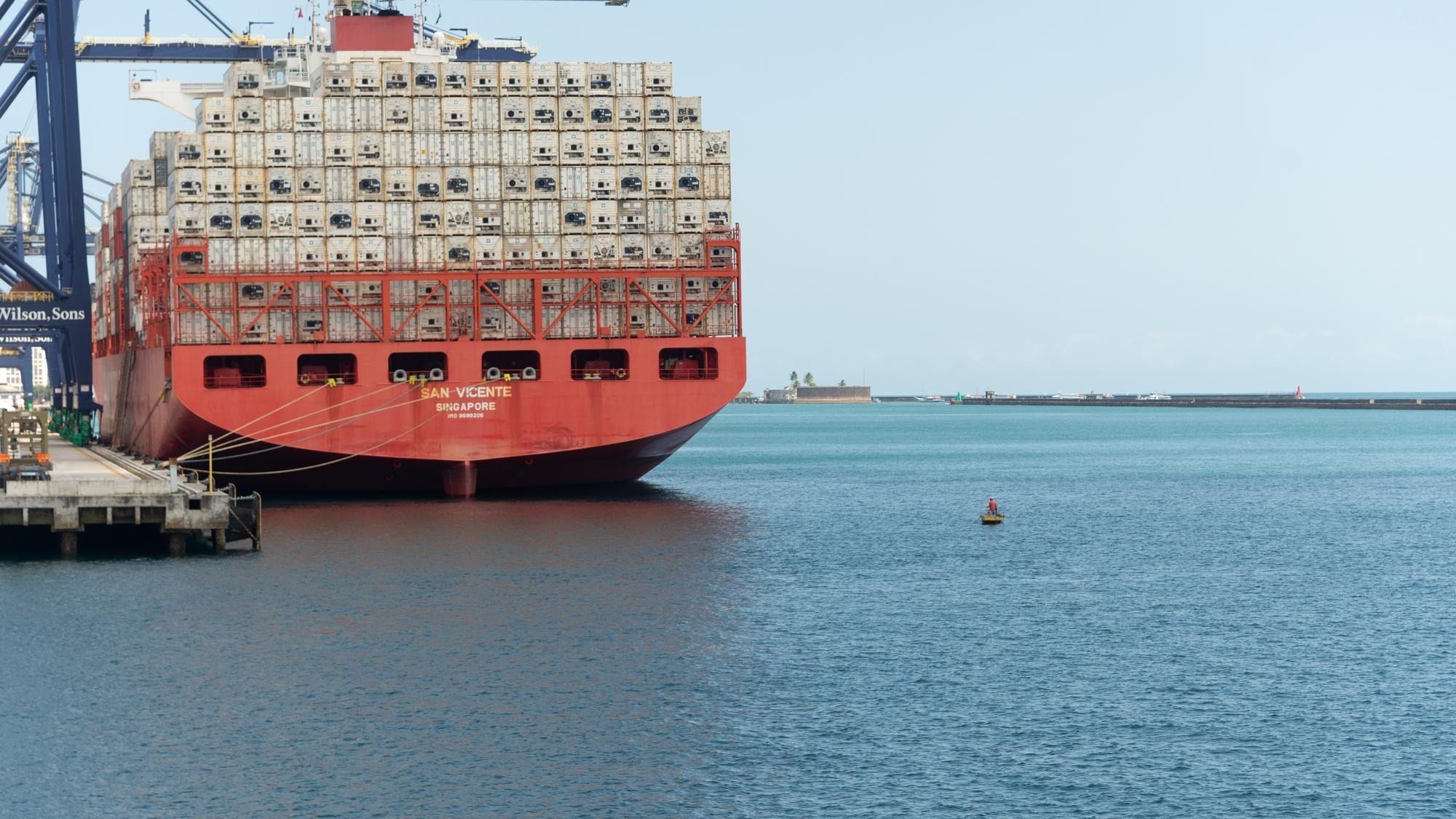
As of late May 2026, CBP has not released a breakdown of total duties collected, amounts already returned, or a timeline for completing payouts. What the agency’s materials do make clear: there is no mechanism for individual consumers to file claims or receive direct payments. The entire system revolves around the “importer of record,” typically the company that brought goods into the country and paid duties at the border.
Three legal hurdles that could kill the cases early
The first and tallest barrier is standing. Under federal customs law, including the drawback and refund provisions in 19 U.S.C. § 1520, tariff refunds flow from the Treasury to the entity that paid the duty. A shopper who bought a marked-up television at a warehouse club is several transactions removed from the customs entry that generated the duty payment.
To bridge that gap, plaintiffs would need to prove three things at once:
- That a specific tariff caused a specific, traceable price increase on a product they purchased.
- That the retailer received, or will receive, a refund tied to that exact tariff.
- That keeping the refund without adjusting consumer prices amounts to unjust enrichment under the relevant state’s law.
Each link is hard to establish on its own. Retailers set prices based on dozens of variables: supply-chain costs, competitor pricing, promotional cycles, margin targets, and regional demand. Isolating the tariff component would require access to internal cost-of-goods data that companies guard closely and rarely produce without a court order. If judges reject standing at the motion-to-dismiss stage, the cases end before any discovery into pricing records begins.
Unjust enrichment is a flexible doctrine, but courts have historically been skeptical when the alleged enrichment stems from a government program the plaintiff was never part of. According to Ludwikowski and other trade attorneys who have commented publicly on the suits, no federal appellate court has endorsed the theory that a retail customer can claim a share of an importer’s duty refund. The closest historical parallel involves the Section 232 steel and aluminum duties imposed in 2018: downstream buyers such as manufacturers and fabricators who absorbed higher material costs explored legal avenues to recover those costs but did not succeed in obtaining refunds through litigation. No reported federal decision from those disputes awarded downstream purchasers a share of duty refunds.
FedEx took a different path
Not every company is waiting for a judge to sort this out. FedEx publicly committed to returning tariff-related refunds to the business customers who shipped through its network, according to the Associated Press. The logistics giant can match surcharges to specific invoices and shipments with relative precision, making the accounting straightforward compared to what a mass retailer would face.
That distinction matters. A company like Costco sells thousands of imported products at fluctuating prices across hundreds of warehouses. Calculating how much any individual member overpaid on a particular item during a specific tariff window would be a massive data exercise. Even a willing retailer might resort to rough formulas or store-credit programs rather than precise, transaction-level reimbursements.
FedEx’s pledge also highlights a split in the corporate response. A handful of companies have signaled they will share refund proceeds; most major retailers have stayed silent. If passing refunds through to customers were simple or clearly expected, more firms would likely be announcing plans to do so.
What motions to dismiss will reveal about consumer tariff-refund claims
For consumers hoping to see tariff money come back to them, the realistic outlook as of June 2026 is sobering. The legal route is narrow and untested. The voluntary route depends on individual corporate decisions that most big retailers have not made. And the government’s own refund system was never designed with end consumers in mind.
Class actions sometimes push companies toward settlements even when the underlying legal theory is shaky. If these suits survive early procedural hurdles, the discovery process alone could pressure retailers to offer something: a coupon program, a price adjustment, or a charitable contribution, rather than open their internal pricing books to opposing counsel. But surviving those hurdles is the hard part, and motions to dismiss are likely the next major milestone on each docket.
A dismissal would signal that the courthouse door is closed to consumer tariff-refund claims under current law. A denial of those motions, even a partial one, would be a genuine surprise and could reshape how companies think about the refund windfall sitting in their accounts. Either way, the rulings will set a marker for whether shoppers have any legal claim to money that, for now, flows exclusively to the companies that wrote the check at the border.