Why retailers are moving so fast
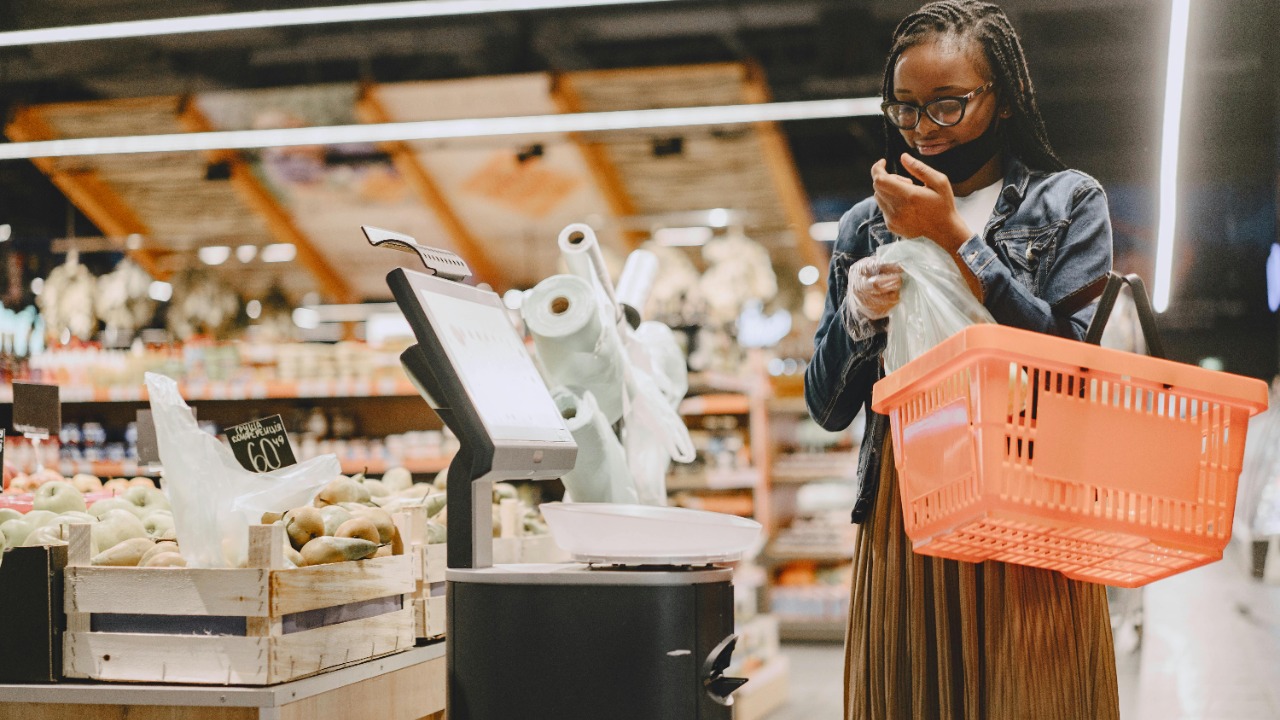
Walmart said in 2024 that it planned to bring digital shelf labels to 2,300 U.S. stores by 2026, describing the rollout as a way to speed up price changes and help workers fulfill online orders more efficiently. Reuters reported that the company expected the technology to cut the time needed for price changes from days to minutes. Other grocers have moved in the same direction. The Associated Press reported in 2025 that Kroger was expanding digital labels after testing them in 20 stores, while Whole Foods was testing them in nearly 50 stores. That does not mean every grocery aisle in America has gone digital, but it does mean the technology is no longer a niche experiment. Retailers argue that the systems are mostly about labor savings and accuracy. A digital label can update instantly when an item goes on sale, when a promotion ends, or when a perishable product needs a markdown. In theory, that should reduce the old paper-tag problem where the shelf change never got done on time. In practice, it replaces one kind of friction with another: the shelf display, central pricing file, and point-of-sale scanner all have to stay aligned.Where the political concern comes from
The speed of those updates is exactly what has alarmed some lawmakers. In August 2024, Sens. Elizabeth Warren and Bob Casey opened an inquiry into Kroger, warning that digital tags could make it easier for grocers to engage in surge pricing or other forms of rapid price manipulation. The fear is easy to understand. If a retailer can change thousands of shelf prices remotely, critics worry that it could react to demand spikes much faster than it could in a paper-tag world. That has fed anxiety about everything from storm-related markups on essentials to more routine, less visible price changes timed to busy shopping windows. Retailers have pushed back on that idea. Walmart said its digital labels were not about surge pricing, and the Los Angeles Times reported in 2024 that both Walmart and Kroger said they had no plans to use the technology for that purpose.What the evidence actually shows so far
The most useful reality check came in 2025, when researchers examined five years of pricing data at a grocery chain that adopted electronic shelf labels. UC San Diego summarized the findings by saying the study found no evidence that the technology had led to surge pricing. AP’s coverage of the research said the data showed only a negligible increase in temporary price hikes after the labels were installed. That matters because it shifts the story away from the most dramatic fear and toward the more immediate consumer issue. At least so far, the better-supported concern is not widespread algorithmic price gouging. It is price accuracy, system synchronization, and whether stores can prove that the amount shown on the shelf is the amount charged at checkout.Why checkout disputes still matter
What shoppers should watch for
As digital labels spread, consumers are likely to spend a while in a hybrid environment where new shelf technology sits on top of older retail systems. That means sale items, limited-time promotions, and fast-moving grocery categories may be the places where mismatches are most noticeable. Shoppers who see a discrepancy should save the receipt and raise it immediately. States like Massachusetts and Michigan already spell out protections for consumers, and even where the law is less specific, retailers generally have strong incentives to correct pricing errors on the spot rather than risk complaints or inspections. The larger story is not that digital shelf labels have already transformed grocery shopping into a free-for-all. The stronger case is that they are spreading quickly, they give retailers much more control over how fast prices change, and they place more pressure on regulators to make sure price accuracy rules built in the paper-tag era still work when the shelf itself has become a screen. If that oversight keeps pace, electronic labels may end up being remembered mostly as an operational upgrade. If it does not, every mismatch at the register will reinforce the same suspicion consumers already have: that the technology is moving faster than the accountability around it.
Vince Coyner is a serial entrepreneur with an MBA from Florida State. Business, finance and entrepreneurship have never been far from his mind, from starting a financial education program for middle and high school students twenty years ago to writing about American business titans more recently. Beyond business he writes about politics, culture and history.