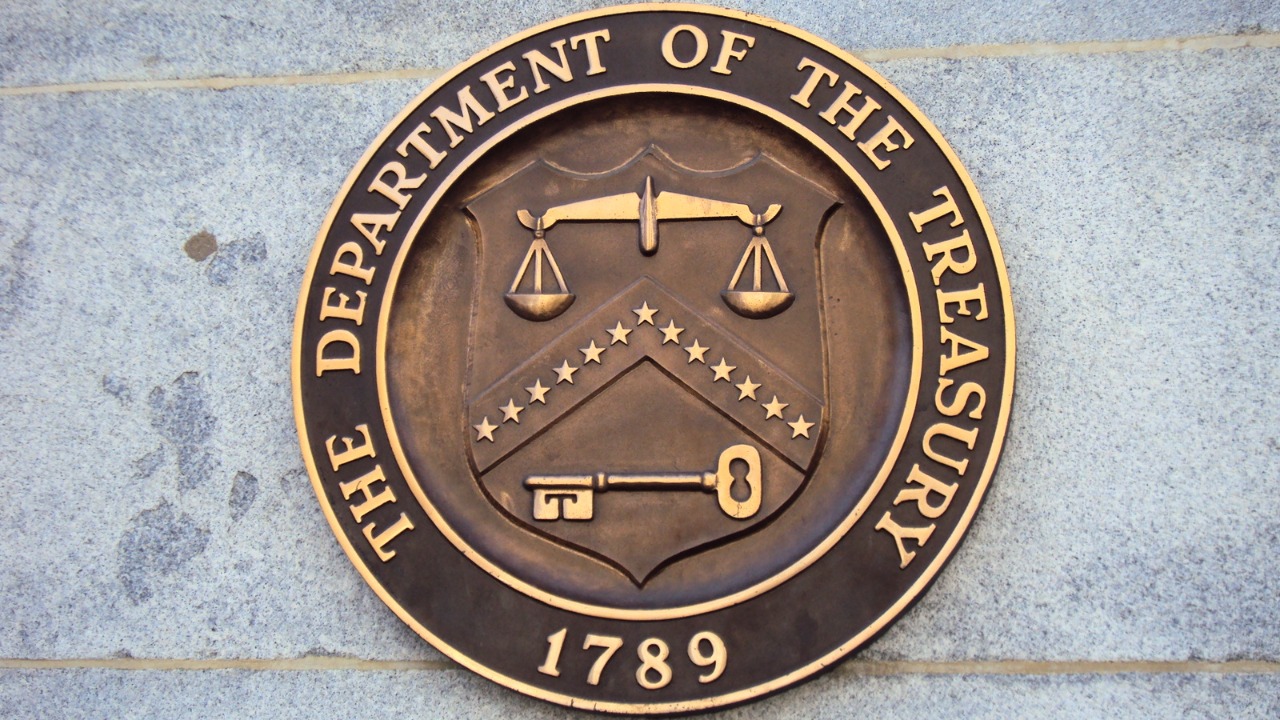
For older Americans who still waited on the mail for their monthly benefit check, the federal government’s paper-payment era is effectively over.
After years of nudging retirees toward direct deposit, the U.S. Department of the Treasury moved in 2025 to stop issuing paper checks for most federal payments, including Social Security. The change was sold as a fraud and efficiency measure, but for many seniors, especially those without bank accounts or reliable internet access, it amounted to something more immediate: a forced transition to electronic payments unless they could show there was no workable alternative.
What changed, and why it matters to seniors
The shift traces back to Executive Order 14247, signed in March 2025, which directed the Treasury Department to stop issuing paper checks for federal disbursements effective September 30, 2025, to the extent allowed by law. In August, Treasury made the policy public in plain terms, saying most federal payments would no longer be sent by paper check after that date.
For seniors, that mattered most through Social Security. The vast majority of beneficiaries already received payments electronically, but a smaller group, often older retirees, people in rural communities, and those without traditional bank relationships, still depended on mailed checks. Treasury’s message to that group was simple: switch to direct deposit, enroll in a Treasury-backed prepaid card, or risk payment complications while trying to sort out an exception.
Why Treasury wanted checks gone
The government’s case was straightforward. Treasury and the IRS both said paper checks are more than 16 times more likely to be lost, stolen, altered, or delayed than electronic payments. The White House also argued that maintaining the infrastructure for paper-based processing cost taxpayers more than $657 million in fiscal 2024.
There is logic behind that. Check fraud has surged in recent years, and mailed payments are vulnerable in ways direct deposits are not. A check can be stolen from a mailbox, washed, rerouted, or simply show up late. An electronic payment generally arrives faster and leaves a cleaner trail when something goes wrong.
But the government’s efficiency argument does not land the same way for every recipient. For a retiree with a checking account, direct deposit is easier. For an 89-year-old beneficiary who has spent decades cashing a paper check and does not trust online banking, “modernization” can feel a lot like a bureaucratic shove.
Social Security recipients were the ones most likely to feel it
The Social Security Administration spent months warning beneficiaries that the old system was ending. In a July 2025 post, SSA said it would no longer issue paper checks for benefit payments starting September 30. In September, the agency repeated that federal benefit payments would be issued primarily electronically and said it was actively contacting people still receiving checks.
SSA also made one change that raised the stakes for new retirees: it said it was no longer offering a temporary check option for initial claims. That meant someone starting benefits could no longer count on a paper bridge payment while sorting out account details. If electronic setup was incomplete, the risk of delay became more real.
That is where the headline’s tension comes from. The policy did not just encourage older Americans to move online. It took away the default paper path for most of them and replaced it with a digital one.
The fallback options were real, but not always simple
Image Credit: MohitSingh – CC BY-SA 3.0/Wiki Commons
Treasury’s preferred backup for people without bank accounts was Direct Express, a prepaid debit card that receives federal benefits electronically. For some recipients, that is a workable substitute. It removes the need for a checking account and gives beneficiaries a way to access funds through ATMs, point-of-sale purchases, or cash withdrawals at financial institutions.
Still, a prepaid card is not the same thing as a paper check. Cards can be lost, skimmed, frozen, or misused. They can also be confusing for seniors who have never managed PINs, mobile alerts, or balance inquiries. The payment may be electronic, but the learning curve is human.
Treasury also left room for exceptions. Its own consumer guidance says existing waiver procedures remain in effect, and SSA said publicly that when a beneficiary has no other way to receive payment, paper checks would continue. That softens the absolutism of the policy, but only somewhat. The burden shifted to recipients to navigate a system that was designed first for compliance and only second for convenience.
That is where the real pressure point sits
On paper, the federal government did not tell every senior in America that mailed checks were banned under all circumstances. In practice, though, it did eliminate paper as the standard option and pushed remaining check recipients into direct deposit, prepaid cards, or a waiver process many had never heard of before.
The result is a policy that makes sense from Treasury’s side of the ledger while creating friction for exactly the people least equipped to absorb it. Beneficiaries who are unbanked, isolated, visually impaired, or simply uncomfortable with digital finance face a harder transition than those who already live online. That is especially true in rural areas, where internet access can be unreliable and in-person banking options may be miles away.
The headline is not wrong, but the fine print matters
By the end of 2025, Treasury had done what it set out to do: make electronic payment the rule for federal disbursements and relegate paper checks to a narrow exception. For seniors who had long depended on an envelope in the mailbox, that was not an abstract modernization effort. It was a forced change in how they got money they rely on to pay for rent, food, prescriptions, and utilities.
That is also why the story resonates. It is not really about paper. It is about what happens when a fraud-prevention push collides with the realities of aging, limited banking access, and uneven digital literacy. Treasury may see the transition as overdue. Many seniors experienced it as one more system they were told to adapt to, quickly, or be left scrambling.
David M. Keller is a finance writer based in Columbus, Ohio, covering personal finance and consumer-focused economic topics. He earned his degree in journalism from Ohio University and began his career reporting on local business and economic trends for a regional media outlet. Since then, he has contributed to a variety of online publications, focusing on clear, practical coverage of topics such as cost of living, debt, and everyday financial decision-making.