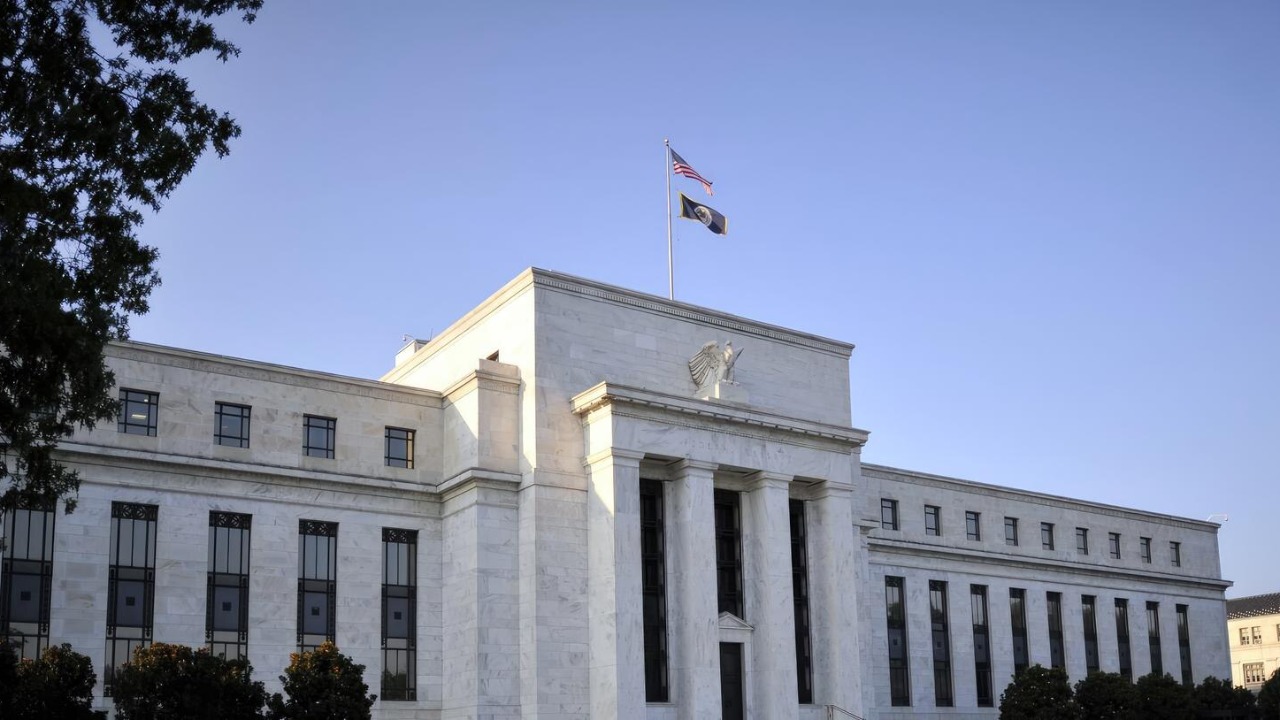
A new Federal Reserve Bank of New York analysis found that Americans bore almost the entire cost of the tariff surge that hit imported goods in 2025, undercutting the long-running political argument that foreign exporters would end up paying the bill.
The finding is straightforward and hard to spin. Looking across U.S. import data through November 2025, the researchers found that domestic firms and households absorbed nearly 90% of the economic burden from the tariffs. For much of the year, the share was even higher, meaning the added cost landed overwhelmingly on the U.S. side of the transaction.
Who Actually Paid the 2025 Tariffs
In its February 12 analysis, the New York Fed said 94% of tariff incidence was borne by the United States from January through August 2025. That eased only modestly later in the year, slipping to 92% in September and October and to 86% in November as some foreign exporters began making limited price concessions.
The mechanics matter. Tariffs are paid at the border by the importer of record, not by a foreign government. The real economic question is whether overseas suppliers respond by cutting their own prices enough to offset the duty. The Fed researchers found they mostly did not. In the early part of 2025, a 10% tariff was associated with just a 0.6 percentage point drop in foreign export prices, leaving U.S. importers to absorb the rest.
Reuters, summarizing the same report, noted that the average tariff rate climbed from 2.6% to 13% over the course of 2025. That jump, combined with limited foreign price cuts, meant the higher duty-inclusive cost showed up mainly on the American side of the ledger, either in thinner margins for businesses or in higher prices for customers. Reuters reported that the findings directly contradicted claims that foreigners were footing the bill.
A Pattern That Matches the First Trade War
The 2025 results did not come out of nowhere. They closely match what economists found during the 2018-2019 tariff episode. In a widely cited paper on the first trade war, Mary Amiti, Stephen Redding, and David Weinstein concluded that the full incidence of those tariffs fell on domestic consumers and importing firms, with no meaningful evidence that foreign exporters cut prices enough to shield the U.S. buyer. The earlier NBER work found real income losses for the United States as tariff costs spread through the economy.
That continuity strengthens the 2025 story. The New York Fed team explicitly relied on the same basic framework used in the earlier tariff research and reached a familiar conclusion: when the U.S. raises tariffs, foreign sellers usually do not absorb much of the hit. The burden stays at home.
The University of Chicago’s Becker Friedman Institute reached a similar bottom line in a January 2026 summary, saying tariff pass-through to U.S. import prices was 94% in 2025. That means tariff-inclusive import prices rose nearly in step with the duties themselves.
Why Households Often Feel It Slowly
One reason tariff costs can be politically confusing is that they do not always show up as one dramatic price jump. In many cases, businesses absorb part of the initial blow, work through inventory already on hand, or wait for contract resets before passing higher costs along.
Federal Reserve research published in 2025 found that tariffs were already lifting core goods prices in real time, even if the effect was not always obvious on a single shopping trip. A Federal Reserve Board note estimated that the 2025 tariffs had raised core goods PCE prices by 0.3% early in the year, contributing to a broader increase in core inflation. Later work from the St. Louis Fed said tariff effects had become more visible in goods prices by late 2025, especially in categories tied more directly to imports. That analysis said tariffs explained a meaningful share of annual PCE inflation for the 12 months ending in August.
That helps explain why households may not connect every higher price tag to tariff policy even when the burden is real. The cost can arrive in pieces: a more expensive appliance, pricier electronics, or home goods that creep up over several months rather than all at once.
The Revenue Windfall Still Came From U.S. Importers
barrettward/Unsplash
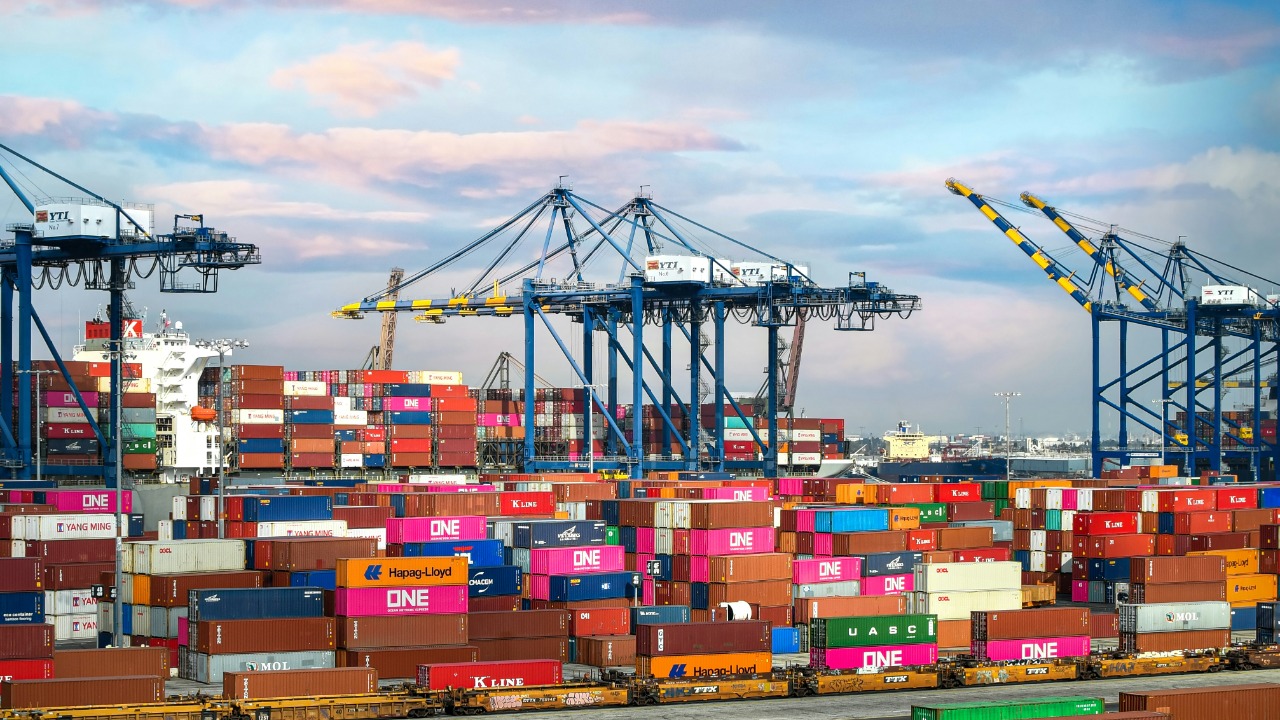
The tariff surge also generated a large increase in federal customs collections, but that does not change who wrote the checks. Treasury data show customs duties totaled $194.9 billion in fiscal 2025, up 153% from the prior year. Separate Richmond Fed analysis, drawing on daily Treasury data, said customs duties, taxes, and fees collected during calendar year 2025 reached even higher levels as the tariff regime broadened late in the year. That January 2026 analysis described how quickly collections accelerated.
What matters for readers is the source of that revenue. Customs duties are collected from importers when goods arrive in the United States. Businesses can try to cushion the blow through lower margins, different sourcing, product redesign, or higher shelf prices, but the payment begins on the domestic side. The government may collect more money, but the cost still starts with American importers and then moves through supply chains.
Supply Chain Shifts Did Not Magically Make the Cost Disappear
Some companies responded by moving purchases away from the most heavily targeted countries. The Becker Friedman Institute noted that China’s share of U.S. imports fell sharply while countries such as India and Vietnam gained share. But that does not mean the burden vanished. New suppliers can come with higher production costs, different logistics, added compliance work, and fresh contracting expenses.
In other words, avoiding one tariff line item does not necessarily restore the old price. Businesses can still end up paying more, and those higher costs can still reach consumers, just through a more complicated route.
What the Fed’s Findings Mean for Readers
The core takeaway from the Fed research is simple enough for any household budget. Tariffs may be announced as penalties on foreign producers, but the available evidence says American firms and consumers picked up most of the tab in 2025.
That does not mean every dollar was passed straight to the checkout lane on day one. Some was absorbed by companies. Some was delayed by inventories and contracts. Some was mixed into broader inflation pressures. But the broad incidence is now hard to dispute. The New York Fed’s latest work, reinforced by prior tariff studies and other recent research, points in the same direction: tariffs on imported goods behaved much more like a domestic tax than a foreign penalty.
For readers trying to understand what that means in practical terms, the answer is not complicated. When tariffs rose in 2025, the burden landed overwhelmingly at home.
David M. Keller is a finance writer based in Columbus, Ohio, covering personal finance and consumer-focused economic topics. He earned his degree in journalism from Ohio University and began his career reporting on local business and economic trends for a regional media outlet. Since then, he has contributed to a variety of online publications, focusing on clear, practical coverage of topics such as cost of living, debt, and everyday financial decision-making.
Related News
Image Credit: Gabriel Picard - CC BY-SA 4.0/Wiki Commons