How the Default Wave Built So Quickly
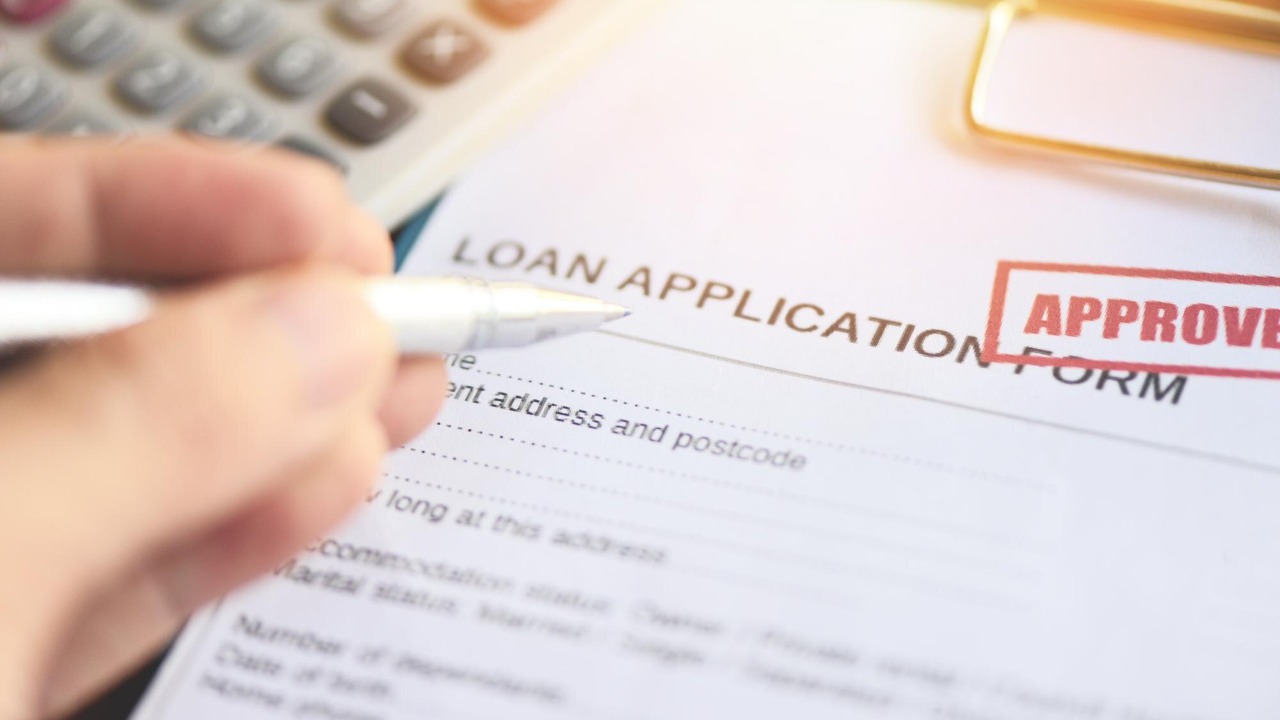
Federal student loans generally enter default after 360 days without a qualifying payment. For many borrowers, that countdown did not begin during the payment pause itself. It began after normal repayment resumed and the Biden administration’s temporary on-ramp protections expired, allowing delinquent accounts to age again toward default. That timing matters. It means the recent jump in defaults was not a sudden one-month shock. It was the delayed consequence of borrowers missing payments over the course of 2025 and then crossing the one-year threshold late in the year. In its March 2026 update, Federal Student Aid said the December 2025 figures captured the first period when many of those borrowers could officially pass the 360-day mark and enter default. The same data release showed defaulted balances had climbed to about $180 billion, representing 11% of the department’s portfolio. The scale of the increase also helps explain why the problem now feels impossible to dismiss. In August 2025, the Education Department had reported roughly 5.3 million Education Department-serviced borrowers in default on nearly $117 billion in loans. By the next major update, the count had surged much higher. That is not a small administrative fluctuation. It is a sign that millions of borrowers never successfully made the transition back into regular repayment after the long pandemic interruption. For many, the breakdown was less about a single refusal to pay and more about a system that kept changing. Loan servicers shifted. Payment amounts changed. Some borrowers landed in administrative forbearances tied to legal fights over repayment plans. Others were unsure whether they still had the same servicer, the same login, or the same monthly bill. The result was a slow accumulation of missed payments that turned into a national default wave.The Consequences Are Real, Even if Collections Are Delayed
Default is not just a label. It carries real financial consequences, even during periods when the government is not actively garnishing wages. The Education Department announced in January 2026 that it was delaying involuntary collections, including administrative wage garnishment and Treasury offsets, while it implements broader repayment changes. But the department also made clear that the delay is temporary, not a cancellation of enforcement. That distinction is crucial. Borrowers in default may still see damage to their credit profiles, which can affect everything from auto financing to apartment applications. The fact that tax refund seizures and wage garnishment are not happening immediately does not mean the risk has disappeared. It means the government has not yet resumed the harshest collection tools. When those tools do return, the impact could be significant. Federal law allows the government to garnish wages and intercept federal payments such as tax refunds for borrowers in default. After years of shifting deadlines and temporary pauses, many borrowers may assume those penalties will be delayed again. That assumption could prove expensive if enforcement resumes on a firmer timeline.Why the System Feels More Confusing Than Before
What Borrowers Should Do Before Enforcement Fully Returns
Borrowers who are still current should not assume that staying current will happen automatically. The safest move is to log in, confirm the current servicer, verify the repayment plan, and make sure contact information is up to date. The federal student aid portal remains the main hub for checking loan history and repayment status, while borrowers already in default can review their status through the government’s default debt portal. For borrowers who are delinquent but not yet in default, acting early is the difference between a manageable problem and a much harder one. Income-driven repayment may lower monthly bills enough to prevent further damage. For borrowers already in default, rehabilitation and consolidation remain the main off-ramps, though the exact mechanics may become more complicated as Treasury takes on a bigger role. That is the real takeaway from the latest numbers. The country is no longer waiting to see whether the repayment restart will produce a default crisis. It already has. Millions of borrowers have crossed that line, millions more remain at risk, and the penalties attached to default are only partially delayed. For readers trying to understand what changed, the answer is simple: the grace period mindset is over, and the federal student loan system is once again enforcing the difference between being behind and being in default.
Vince Coyner is a serial entrepreneur with an MBA from Florida State. Business, finance and entrepreneurship have never been far from his mind, from starting a financial education program for middle and high school students twenty years ago to writing about American business titans more recently. Beyond business he writes about politics, culture and history.