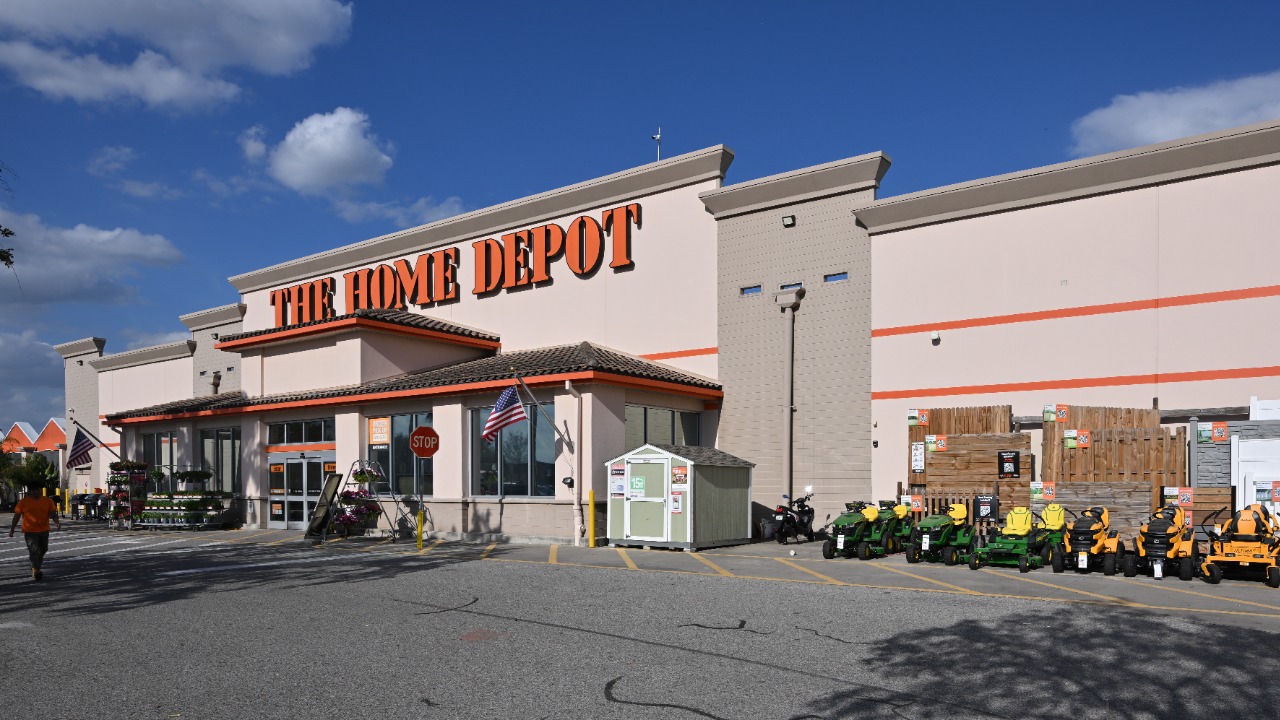
Home Depot beat Wall Street expectations in its fourth-quarter earnings report, but the results still carried a warning about the American homeowner. Beneath the headline beat was a customer base that is putting off ambitious renovations and sticking to smaller repairs, replacement purchases, and practical upkeep.
That matters because Home Depot is more than a retailer. It is one of the clearest readouts on how comfortable homeowners feel spending on the place where they already carry the biggest monthly cost of all. Right now, that message looks cautious. Higher housing costs, a slow turnover market, and softer confidence around jobs are pushing many households to preserve cash instead of starting major projects.
Strong Quarter, Weak Appetite for Big Projects
Home Depot reported fourth-quarter sales of $38.2 billion, with comparable sales up 0.4% overall and 0.3% in the U.S. That was enough to top analyst expectations, but it did not point to a broad-based comeback in discretionary home improvement spending.
The company’s own commentary made that clear. In its earnings materials and conference call, management said results reflected ongoing pressure in housing and continued customer caution, with underlying demand looking steadier in smaller projects than in larger remodel categories. Reuters reported that Home Depot’s outperformance was helped by professional contractors and repair-oriented spending from budget-conscious consumers, not a wave of kitchen or bath overhauls.
That distinction is the real story. A homeowner who buys paint, weatherstripping, or a replacement faucet is still spending. A homeowner who postpones a full kitchen remodel is sending a different signal entirely. Home Depot can still produce respectable quarterly numbers in that environment, especially with its stronger exposure to professional customers, but the consumer mood underneath those results remains guarded.
A Pattern That Did Not Start This Quarter
This was not a one-quarter anomaly. In its fiscal second quarter last year, Home Depot said customers were engaging more broadly in smaller home improvement projects, and the company’s filings noted that high interest rates were still pressuring large project demand. The same theme also showed up in broader coverage at the time, with the Associated Press reporting that shoppers were staying focused on minor projects and maintenance spending.
That makes Home Depot’s latest warning more meaningful. This is no longer just a temporary pause after the pandemic-era renovation boom. It is a sustained shift in behavior. Households are still taking care of their homes, but they are doing it selectively, and in a way that favors repairs over aspiration.
For investors, that changes the question. The issue is not whether Home Depot can still clear an earnings bar in a difficult market. It is whether the homeowner who delayed a big project in 2024, then delayed again in 2025, is still likely to come back in 2026 with the same appetite to spend. The longer the restraint lasts, the less automatic that rebound looks.
Housing Costs Are Keeping the Market Stuck
One reason for the hesitation is that the housing market remains unusually sticky. Home Depot executives said on the earnings call that housing has been effectively frozen since 2023 because of affordability issues, economic uncertainty, and a softer labor backdrop. That view lines up with what rivals are seeing too. Reuters reported that Lowe’s described a persistent lock-in effect that is still weighing on housing turnover and new starts.
Mortgage rates have eased from their highs, but not enough to unlock broad mobility. According to Freddie Mac’s mortgage survey archive, the average 30-year fixed mortgage rate stood at 5.98% for the week of Feb. 26, 2026. That is lower than some of the peaks seen in prior years, but it still leaves many homeowners reluctant to trade a much cheaper existing mortgage for a far more expensive new one.
In theory, staying put should support renovation spending. In practice, many owners are facing the same affordability squeeze that is keeping them from moving. Higher insurance costs, taxes, maintenance bills, and general household expenses all compete with the kind of major discretionary project that can run well into five figures.
Job Fears Make Big Projects Easier to Delay
The other pressure point is confidence. The Conference Board said consumer confidence improved modestly in February after a sharp January drop, but the level remained subdued, and labor-market sentiment stayed soft. In a separate update, the organization noted that the share of consumers saying jobs are “hard to get” rose to 20.6%, the highest since early 2021.
The Federal Reserve Bank of New York’s Survey of Consumer Expectations also showed weaker confidence in finding a new job if a current one is lost. That kind of unease does not need to show up as mass layoffs to affect spending behavior. It just needs to make households hesitate before signing off on a project that can be postponed.
That helps explain why Home Depot’s results can look fine at a glance while still signaling strain underneath. A cautious homeowner does not stop spending altogether. That homeowner just stops spending boldly.
The Real Warning in Home Depot’s Report
Much of the fast coverage around Home Depot focused on the earnings beat. That angle misses the broader takeaway. The more revealing message was that the biggest home improvement retailer in the country is still leaning on smaller jobs and professional demand while many homeowners freeze major plans.
If rates drift lower and the labor market stays stable, some deferred remodeling demand could return. But the longer households remain in defensive mode, the harder it becomes to assume every delayed kitchen, bath, or outdoor build is merely postponed. Some of that spending may simply disappear.
For now, Home Depot’s quarter suggests the American homeowner has not stopped maintaining the house. What has changed is the willingness to dream bigger with it. That is the part of the report that deserves the most attention.