
Retired workers collecting Social Security in 2026 receive an average monthly benefit of $2,076.41. On paper, that can still sound like a meaningful monthly cushion. In practice, a social security check rarely stretches as far as people assume once the most basic bills start hitting.
For millions of older Americans, the problem is not one oversized expense. It is the combined weight of five recurring ones: Medicare, housing, utilities, groceries, and out-of-pocket healthcare. By the time those costs are paid, the average monthly check is often exhausted, and sometimes not even enough.
What the average check actually delivers
The Social Security Administration’s monthly statistical snapshot shows the average retired-worker benefit at $2,076.41 in February 2026. That reflects the agency’s 2.8% cost-of-living adjustment for 2026, which lifted payments this year but did not suddenly make retirement inexpensive. That distinction matters. A COLA is meant to help benefits keep up with inflation, not transform Social Security into a full replacement for a paycheck. For retirees who depend heavily on their monthly benefit, the check remains a baseline source of income, not a guarantee that ordinary living costs will fit neatly inside it.
1. Medicare Part B takes a bite before the money even arrives
Most beneficiaries do not actually receive the full average benefit in their bank account. The standard Medicare Part B premium for 2026 is $202.90 a month. For most enrollees, it is deducted directly from Social Security before the payment is sent.
That means the average retired-worker check effectively falls to about $1,873.51 before rent, food, or a single utility bill is paid. Part B also comes with a $283 annual deductible, and some higher-income beneficiaries pay more through income-related surcharges. Either way, Medicare is not a side expense. It is one of the first claims on the check every month.
2. Housing remains the bill that does the most damage
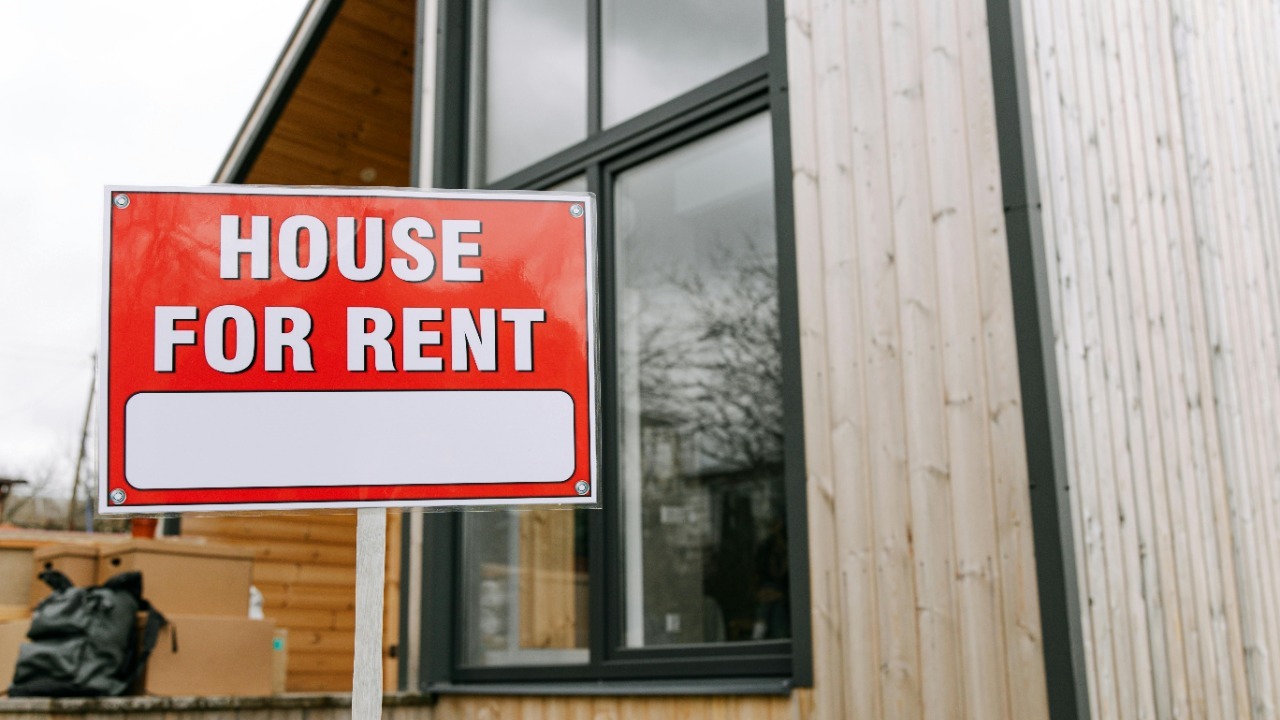
Housing is where the math starts to break down quickly. According to U.S. Census Bureau QuickFacts, the national median gross rent in the United States is $1,413. Gross rent includes rent plus utilities, which helps show what many renters are actually up against each month. That means a typical renter could see well over two-thirds of the average Social Security check disappear into housing alone. Homeowners are not necessarily insulated either.
The same Census data show median selected monthly owner costs of $1,963 for owners with a mortgage and $638 for owners without one. Property taxes, insurance, HOA dues, and repairs do not stop just because someone has left the workforce. The larger pattern is reinforced by the Bureau of Labor Statistics Consumer Expenditure Survey. This goes on to show housing as the biggest spending category for American households. For retirees living primarily on Social Security, that is usually the expense that dictates everything else.
3. Utilities are a fixed cost that older households cannot easily trim
Even after housing is covered, utilities keep pressing. Electricity, water, sewer, heating fuel, trash service, phone service, and internet are not optional in any practical sense. The BLS breakdown of consumer spending consistently shows utilities and household operations as a meaningful part of the monthly budget. It also reveals that pressure can be especially intense for older adults who spend more time at home. In many cases, utility use rises with age rather than falls.
Air conditioning becomes less negotiable during heat waves. Heating becomes essential during cold snaps. Medical equipment can drive electric bills higher. Even retirees who own their homes outright can find that a manageable property tax bill quickly turns into a much tighter monthly picture once utility costs are layered on top.
4. Groceries keep rising, and eating at home is no longer cheap enough to solve the problem
Food is the next unavoidable bill. The latest BLS consumer expenditure data show that food remains one of the largest major spending categories after housing and transportation. It also reveals that there is no reliable way for older households to opt out of the inflation that has hit staples, prepared foods, and household basics. For retirees, grocery costs can be stubborn in ways that are easy to underestimate. Smaller households often lose the bulk-buying efficiencies that larger families enjoy.
Specialized diets tied to diabetes, heart disease, or other chronic conditions can raise costs further. And while eating at home is still cheaper than dining out, it is no longer enough on its own to create breathing room when the monthly budget is already tight. That is why food tends to become a stress point rather than just another line item. When the check is fixed and the grocery total is not, something else usually has to give.
5. Out-of-pocket healthcare keeps coming after Medicare is paid

One of the biggest misconceptions in retirement is that Medicare solves the healthcare cost problem. It helps, but it does not eliminate it. Medicare’s own coverage rules make clear that beneficiaries still face deductibles, copays, coinsurance, and important gaps. Dental care, hearing aids, and most routine vision care are still outside traditional Medicare coverage, and prescription spending can remain significant even with drug coverage. At the national level, the Centers for Medicare & Medicaid Services’ health expenditure data continue to show a long-term rise in medical spending.
At the household level, that often translates into a steady drip of bills that Social Security was never designed to absorb on its own. A retiree may be able to manage a normal month. The harder problem is the ordinary bad month: a dental crown, a new pair of glasses, a specialist visit, a drug copay increase, or a medical device that is only partially covered. Those are not rare emergencies. They are common costs of aging, and they can overwhelm a fixed-income budget fast.
Why this gap matters
Viewed in isolation, a $2,076.41 monthly Social Security check benefit may sound workable. But once the average retiree’s five core bills are stacked together, Medicare, housing, utilities, groceries, and out-of-pocket healthcare, the margin shrinks or disappears. For some households, that means drawing down savings. For others, it means carrying credit card debt, delaying care, or cutting back on food and social activity. That is the real takeaway from the 2026 numbers.
Social Security remains essential, but for the average retired worker it is not enough to comfortably cover the most basic recurring bills of later life. The annual COLA may help people hold ground. It does not change the larger reality that the check is often asked to do more than it was built to do.

Paul Anderson is a finance writer and editor at The Financial Wire. He has spent seven years writing about investment strategies and the global economy for digital publications across the US and UK. His work focuses on making sense of economic policy, cost-of-living issues, and the stories that affect everyday Americans.