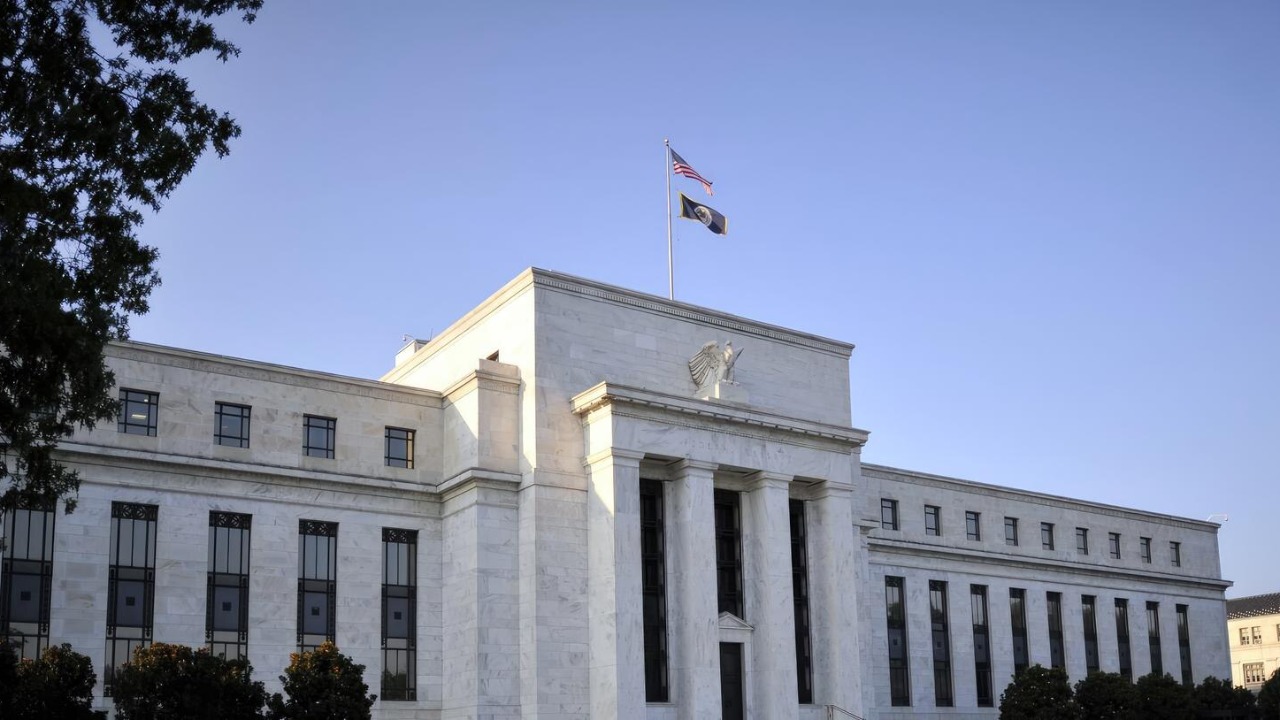
The Supreme Court wiped out a major pillar of President Donald Trump’s tariff strategy, ruling that the White House had no authority under the International Emergency Economic Powers Act to impose sweeping import duties across a wide range of goods. On paper, that should have opened the door to relief for businesses and, eventually, for American shoppers.
In the real economy, however, it has not worked that way. Many companies are keeping prices where they are, even as importers line up to seek refunds that could total as much as $175 billion. That disconnect is turning into one of the clearest examples of how legal victories in Washington do not always translate into lower costs at the checkout counter.
What the Court Actually Struck Down
The legal heart of the case was the administration’s use of IEEPA, a 1977 law designed to let presidents respond to national emergencies. In a Feb. 20 ruling in Learning Resources, Inc. v. Trump, the Supreme Court held that IEEPA does not authorize the president to impose tariffs, cutting down a broad emergency-based tariff regime that had stretched across multiple executive orders. That program included Executive Order 14257, which created a reciprocal tariff framework aimed at addressing large and persistent U.S. goods trade deficits. It also included earlier orders such as Executive Order 14193, Executive Order 14194, and Executive Order 14195, which tied tariffs to border security and fentanyl-related claims. The justices did not say tariffs are always off limits. They said this law did not give the president the power he claimed. That distinction matters, because it shut down one route for imposing broad duties while leaving other trade tools available to the administration. The White House itself later acknowledged the end of those actions in a subsequent order ending certain tariff actions. That formal unwinding may have settled the legal status of the old duties, but it did not settle what happens next in the marketplace.
The Refund Fight Is Real, but Shoppers Are Not First in Line
The money at stake is enormous. According to Associated Press reporting, Senate Democrats have cited roughly $175 billion in tariff revenues that could be subject to refund after the Court’s decision. AP later reported that a federal court rejected an effort by the administration to slow the refund process, keeping pressure on the government as importers seek their money back.
But the refund path does not run from Washington to consumers. It runs from the government to importers. That means the companies that paid the duties are the ones with legal claims. The family that paid more for a stroller, a microwave, a backpack, or a replacement appliance part does not get a direct check in the mail.
That is why the ruling, important as it is, does not guarantee lower prices. Even in the best case for importers, the first step is a long administrative process through U.S. Customs and Border Protection and the courts. AP reported that some analysts expect the refunds that are approved to take 12 to 18 months to reach claimants. Reuters has also reported that Customs told the trade court it collected about $166 billion under the invalidated IEEPA duties, underscoring both the scale of the exposure and the complexity of unwinding it.
For small businesses, the situation is even more frustrating. Larger importers usually have customs teams, trade counsel and accounting systems built for claims like these. Smaller firms often do not. Some may recover part of what they paid. Others may decide that the paperwork, legal cost and waiting period make pursuing recovery more costly than it’s worth.
Why Prices Are Staying Put
There is a simple reason many shoppers will not see quick markdowns: prices move up faster than they move down. When tariffs hit, companies rushed to protect margins. When tariffs disappear, they do not face the same urgency to reverse those increases, especially when other costs are still elevated and consumers have already absorbed the higher baseline. Reuters reported on Feb. 24 that businesses were unlikely to lower prices even after the Supreme Court erased the emergency tariffs. Companies told Reuters that any relief would more likely be used to offset existing costs, rebuild margins and finance the effort to chase refunds than to cut sticker prices right away. That logic fits how retail pricing usually works. Goods already on shelves were often imported under the old cost structure. Contracts with suppliers and freight providers were negotiated months ago. Labor, warehousing, insurance and financing expenses have also stayed high. Even if the tariff component is eventually refunded, companies can argue that the total cost picture still supports current prices. There is also a second reason businesses are standing pat: the policy uncertainty never really ended. Reuters and AP both reported that Trump moved quickly after the ruling to pursue replacement tariffs through other authorities, including a temporary global duty and new national-security and trade investigations. That means executives are not looking at a stable tariff-free future. They are looking at another potential round of disruption. In a statement posted by the Office of the U.S. Trade Representative, Ambassador Jamieson Greer said the administration expected new investigations to cover most major trading partners and to address issues ranging from digital services taxes to ocean pollution and industrial excess capacity. For companies setting prices today, that is not a signal to start a price war. It is a signal to stay defensive.
Why the Ruling Still Matters

Even if shoppers do not get immediate relief, the Court’s decision still matters. It was a major rebuke to the idea that a president can use emergency powers to rewrite tariff policy on a global scale. It also pushed future fights over trade back toward more traditional statutes and, at least in theory, toward a larger role for Congress.
That could shape corporate behavior over time. If businesses conclude that emergency tariffs are less durable than once thought, they may become more cautious about using them as justification for sweeping price increases.
While importers may cheer, consumers and households are unlikely to see much to cheer about any time soon. The Court knocked out a major tariff program and importers may eventually recover significant sums, but prices are unlikely to rapidly reflect either. Shoppers walking through stores are still facing prices based on the old tariff regime, while businesses wait, lawyers file claims and Washington searches for the next legal tool in the trade arsenal.
That is the uncomfortable reality behind this moment. The connection between Washington and Main Street can be precarious: a tariff system can be declared illegal, billions can be put into dispute, and the consumer can still end up waiting.