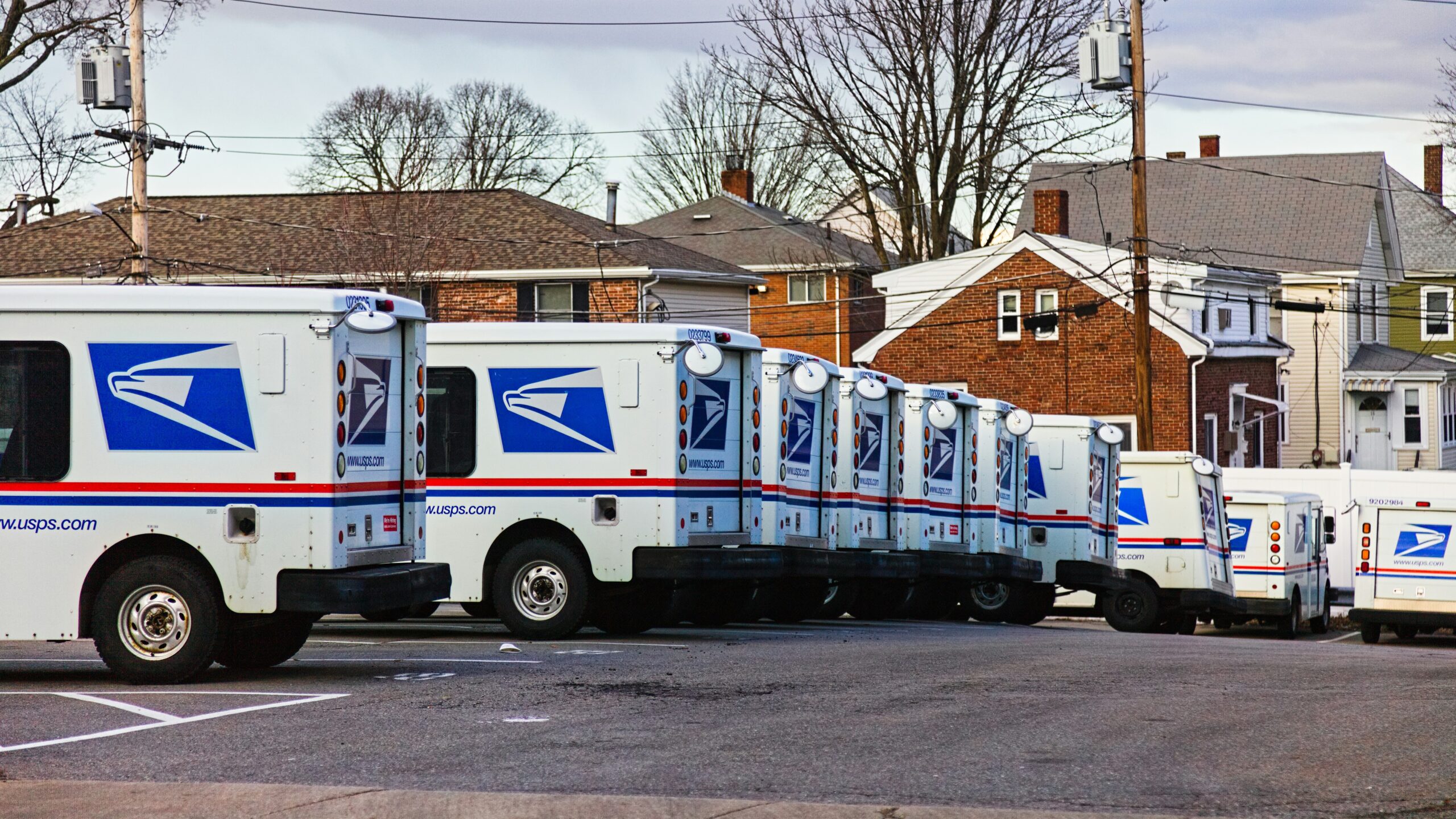
Starting April 26, 2026, every package shipped through the U.S. Postal Service will cost more. A new 8% fuel surcharge on Priority Mail, Priority Mail Express, Parcel Select, and other parcel products will add roughly $1.24 to a five-pound Priority Mail box that previously ran about $15.50, and the markup scales with weight and distance. USPS filed the temporary surcharge with the Postal Regulatory Commission, pointing to sharply higher transportation costs driven by the disruption of global oil supplies since the outbreak of the Iran conflict. The fee is scheduled to expire January 17, 2027.
The surcharge lands at the same time Amazon is layering a separate logistics fee onto merchants who use its fulfillment network, also citing fuel and transportation costs tied to the war. For small businesses and online shoppers already absorbing higher prices across the board, the two charges stack on top of each other.
What the surcharge covers and what it doesn’t
The fee applies to package products only. First-Class Mail letters, postcards, and flats are exempt. That split reflects a basic operational reality: parcel shipping depends heavily on trucking and air cargo, where diesel and jet fuel represent a large share of costs. Mailing a birthday card costs the same as it did last week. Shipping a return to an online retailer or sending a care package to a college student does not.
Federal fuel data supports the rationale. The Bureau of Transportation Statistics’ March 2026 motor fuel price report shows a significant year-over-year increase in diesel prices, tracking with the timeline of the Iran conflict, which has disrupted tanker traffic through the Strait of Hormuz and tightened crude supply globally. Postal transportation contracts are often indexed to fuel benchmarks, so those price spikes flow directly into what it costs USPS to move packages across its network.
FedEx and UPS both maintain fuel surcharge schedules that adjust weekly based on diesel prices, and both carriers have seen their surcharge percentages climb steadily since late 2025. The USPS surcharge follows the same logic but arrives as a single, fixed-rate addition rather than a sliding scale. That makes it simpler to understand but harder to adjust if fuel prices drop before the January 2027 expiration.
This isn’t the first time USPS has done this
The Postal Service used the same playbook during the pandemic. Between October 2020 and April 2021, USPS imposed temporary peak surcharges on commercial and retail package shipments, citing volume surges and capacity constraints tied to COVID-19. Those fees ranged from $0.25 to $1.50 per package depending on the product and were extended multiple times before finally expiring. The current 8% fuel surcharge is structured similarly: filed as temporary, tied to a specific external disruption, and subject to Postal Regulatory Commission oversight. The precedent suggests that “temporary” can stretch if the underlying conditions persist.
Amazon’s parallel fee squeezes sellers from both sides
According to an Associated Press report, Amazon has announced a new logistics fee on third-party sellers who use Fulfillment by Amazon, explicitly tying the charge to higher fuel and transportation costs linked to the Iran conflict. The AP describes the fee as being stacked on top of existing referral commissions, storage fees, and per-unit fulfillment charges that sellers already pay. The specific percentage cited in that coverage has not been independently verified by this publication; readers should consult the AP report for the exact figure. Amazon did not respond to a request for additional comment from this publication as of early May 2026.
The AP’s reporting is, as of this writing, the primary public source detailing the structure of the new fee. Amazon’s own Seller Central dashboard has begun displaying updated fee schedules for affected accounts, according to screenshots shared by sellers in industry forums, but the company has not issued a standalone public announcement beyond what the AP described.
For the roughly two million active third-party sellers on Amazon’s U.S. marketplace (a figure Amazon itself has cited in annual seller reports), any additional per-unit cost matters. Sellers who also ship inventory to Amazon warehouses via USPS now face the 8% postal surcharge on top of Amazon’s new fee. On already thin margins, those incremental costs can turn a profitable quarter into a losing one. Many sellers will raise prices. Some will eat the loss. A few will stop selling altogether.
USPS finances leave little room to absorb fuel shocks
The surcharge arrives against a backdrop of persistent financial strain. USPS reported a net loss of approximately $6.5 billion in fiscal year 2024, continuing a pattern of annual losses that has defined the agency for more than a decade. The Postal Service Reform Act, signed into law in April 2022, relieved USPS of its obligation to pre-fund retiree health benefits and integrated postal retirees into Medicare, addressing two of the agency’s largest legacy liabilities. But the law did not insulate day-to-day operations from swings in fuel markets or other variable costs.
In that context, the 8% surcharge functions as a short-term patch. It generates immediate revenue on the parcel side of the business, which has been USPS’s fastest-growing segment, without requiring the lengthy rulemaking process that a permanent rate increase would demand. But it raises a question the agency has not publicly answered: what happens if diesel prices remain elevated past January 2027?
What remains unclear
USPS has not released internal modeling showing how closely the 8% figure matches its actual increase in fuel-related expenses. Without that data, it is impossible to tell whether the surcharge is sized purely to cover diesel costs or whether it also helps offset other pressures like labor, vehicle maintenance, or the ongoing fleet electrification effort under the Delivering for America plan.
The Postal Regulatory Commission has authority to scrutinize the justification, request additional documentation, or require modifications before issuing a formal order. Until that review is complete, the regulatory path forward is not fully settled. The PRC docket number for this filing has not been published in available reporting as of early May 2026.
No federal agency has produced an official estimate of how the surcharge will affect household shipping budgets, rural communities that depend on mail-order goods, or small businesses with high parcel volumes. And while energy data clearly shows diesel prices climbing, government analysts have not published a detailed breakdown isolating how much of the increase stems directly from the Iran conflict versus other factors like refinery capacity constraints or seasonal demand patterns.
How shippers can prepare before April 26
The most reliable signal for whether these surcharges stick around is the price of diesel itself. If the Iran conflict de-escalates and crude markets stabilize, the economic rationale for the USPS fee weakens, and political pressure to let it expire on schedule will grow. If fuel stays elevated or climbs further, an extension or conversion to a permanent rate adjustment becomes far more likely, triggering another round of regulatory review.
For now, the practical reality is simple: shipping packages in the United States just got more expensive. Small businesses that rely on tight shipping margins should revisit carrier rate comparisons before April 26. USPS Commercial Plus and Commercial Base pricing, available through approved postage platforms, typically carries lower per-piece rates than retail and may partially offset the surcharge’s impact. Sellers on Amazon should model the combined effect of both the USPS surcharge and Amazon’s new logistics fee on their per-unit economics before committing to inventory replenishment. The costs are real, they compound, and they are arriving fast.