More than 330,000 U.S. importers are now eligible to reclaim a share of roughly $166 billion in tariff payments, following the Supreme Court’s April 2026 decision in Cent. Grocers Retail Co. v. United States, which struck down duties imposed under the International Emergency Economic Powers Act. The refund operation is already underway. But the families who absorbed those costs at the checkout counter are not in line for any of it.
Budget researchers have estimated the tariffs added about $1,700 in annual costs for the typical American household. No federal mechanism exists to return that money to consumers, and none is being planned.
The refund operation takes shape
U.S. Customs and Border Protection outlined the scale of the task in a sworn declaration filed with the Court of International Trade. As of late April 2026, the agency reported that importers had paid approximately $166 billion across more than 53 million customs entries, according to an Associated Press account of the filing. Those figures represent the full pool of businesses eligible to seek refunds once the claims process is fully operational.
CBP has said it expects each claim to take roughly 45 days to process. Refunds will move through the agency’s Automated Clearing House system, which requires compatible banking details from every participant. A dedicated refund portal is now live on CBP’s trade website, and companies have begun registering to file claims in phased eligibility windows set by the trade court.
To accelerate the work, CBP plans to automate much of the review by matching refund claims against existing entry records rather than requiring importers to resubmit extensive documentation. The Court of International Trade, which retains oversight, has pressed the agency to balance speed with safeguards against duplicate or erroneous payments. At this scale, even a small error rate could translate into billions of dollars in overpayments or underpayments.
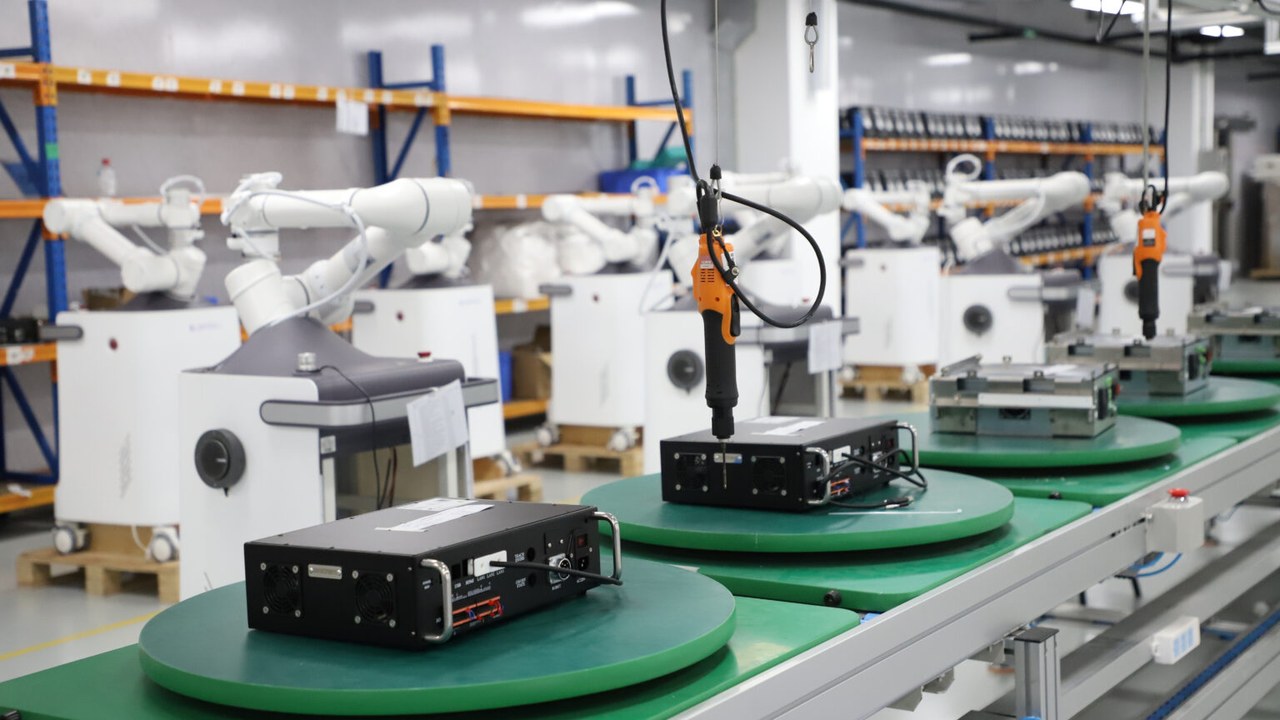
The 53 million shipments span a wide range of goods: industrial components, auto parts, consumer electronics, clothing, and food products. The breadth reflects how deeply the IEEPA tariffs had reached into everyday commerce before the court struck them down.
Where the $1,700 household figure comes from
The per-family cost estimate does not appear in any CBP filing or court record. It originates from economic modeling by budget and trade policy researchers who divided aggregate tariff-driven price increases across U.S. households. The Yale Budget Lab, among other groups, published analyses during the tariff period estimating annual household costs ranging from roughly $1,700 under narrower tariff scenarios to well over $2,000 under broader ones, depending on assumptions about how much of each tariff dollar retailers passed on to shoppers. (The lab’s estimates were drawn from its recurring series of tariff-impact briefs; a specific report title and publication date could not be independently confirmed as of May 2026.)
That kind of modeling is standard in trade economics, but it produces approximations, not invoices. The $166 billion and 330,000-importer figures carry the weight of sworn government declarations submitted to a federal court. The household number is best understood as a credible estimate of scale rather than a precise bill delivered to each family.
Still, the gap between the two figures tells a real story. Importers have a clear legal path to recovery. Consumers do not.
What smaller importers and consumers still face
CBP’s 45-day target applies per claim, but the agency has not disclosed how many claims it can process simultaneously or whether high-volume filers will move through the queue ahead of small businesses with fewer entries. The phased eligibility windows suggest some importers will wait considerably longer than others, and CBP has not published the criteria that determine sequencing.
Staffing is another open question. CBP’s trade operations division was not built to handle a refund program of this size, and the agency has not said whether it will bring on additional personnel or contractors to manage the workload. Processing 53 million entries at 45 days per claim, without significant parallel capacity, would take years.
Disputes could slow things further. Importers that disagree with CBP’s calculations may seek administrative review or return to the Court of International Trade, potentially tying up payments for contested shipments. The court has retained oversight but has not fully detailed how often CBP must report on progress or error rates.
For consumers, the outlook is far less certain. Tariff costs were folded into retail prices over months, embedded in the sticker price of everything from sneakers to refrigerators. Refunds flow to the importers who paid duties at the border, not to the shoppers who paid more at the register. As the AP reported, the legal remedy is narrowly tailored to the parties that actually remitted the tariffs.
No provision in the court order or CBP’s refund system directs money toward households, and no federal agency has announced plans to create such a mechanism. As of May 2026, no legislation proposing consumer rebates or credits tied to the IEEPA tariffs has advanced in Congress. Some economists have suggested that competitive pressure could eventually push importers to lower wholesale prices, which might filter down to retail shelves. But research on past tariff removals, including studies published by the National Bureau of Economic Research, has found that retail prices tend to fall slowly after duties are lifted, and in some cases do not fully reverse.
A structural gap that predates this case
The refund program now underway is concrete and well-documented: specific dollar amounts tied to specific shipments, overseen by a federal court and executed through CBP’s financial infrastructure. The consumer burden, by contrast, is diffuse, spread across years of purchases and millions of products, with no comparable mechanism for reversal.
That asymmetry is not unique to this episode. U.S. trade law has long treated tariffs as obligations owed by importers, not by the public that ultimately bears the cost through higher prices. When courts or policy changes reverse those tariffs, the money follows the same narrow channel back. The IEEPA refund operation is simply the largest and most visible example of a gap that trade economists have flagged for decades.
For the 330,000 importers now navigating CBP’s portal, the path forward is defined, if slow. For the millions of households that paid higher prices on groceries, electronics, and everyday goods, the Supreme Court’s ruling changed the law. It did not change the grocery bill.