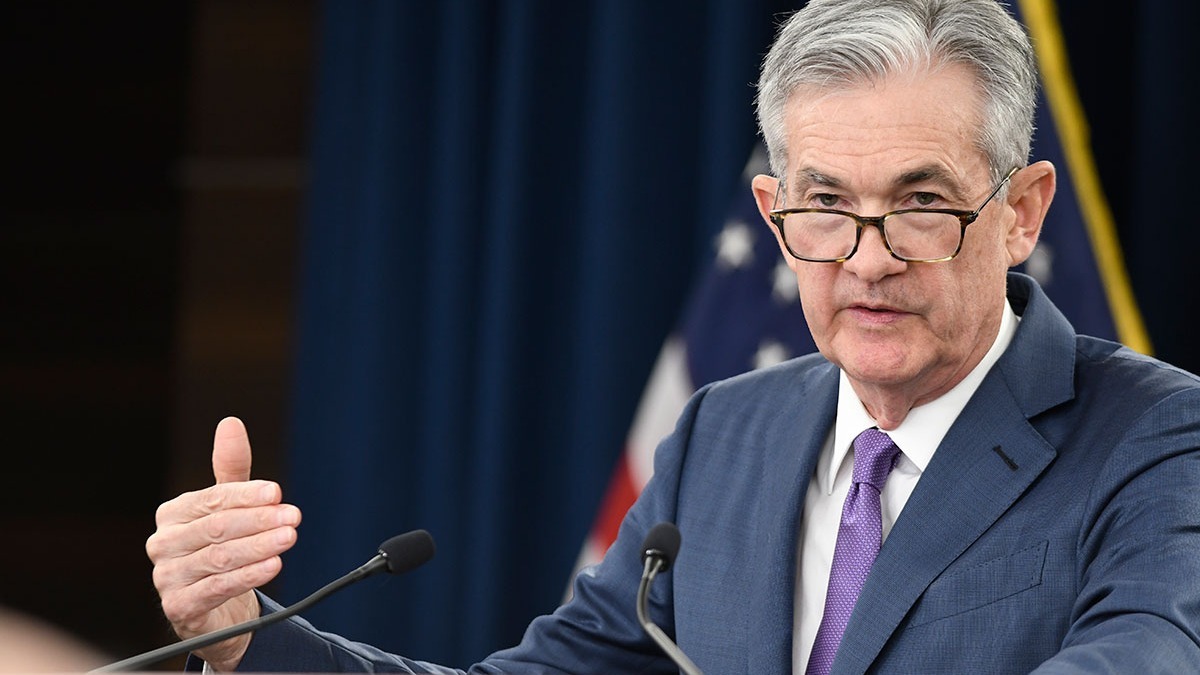
Jerome Powell will stop running the Federal Reserve on May 15, but he will not stop voting on interest rates. And the White House says that is fine.
When his term as chair expires later this month, Powell plans to remain on the Board of Governors, a seat he holds through January 31, 2028. The decision breaks sharply with recent precedent. Both Ben Bernanke and Janet Yellen resigned from the board entirely once they stepped down as chair, ceding the stage to their successors. Powell has chosen a different path.
His reasoning, as reported by the Associated Press, is tied to the Trump administration’s broader moves against independent federal agencies. Powell has not specified which actions concern him most, but the administration has moved aggressively in 2025 and 2026 to assert executive authority over bodies traditionally shielded from White House control. Staying on the board, in Powell’s framing, is a statement about institutional independence.
President Trump, asked about the plan, offered three words: “I don’t care.”
A successor is moving through the Senate
Trump’s pick to replace Powell is Kevin Warsh, a former Fed governor who served during the 2008 financial crisis and has long been considered a monetary policy hawk. Warsh has publicly questioned the Fed’s aggressive bond-buying programs and signaled skepticism toward the kind of accommodative stance Powell maintained through much of his tenure. The contrast between the two is not subtle.
The Senate Banking Committee, led by Chair Mike Crapo, advanced Warsh’s nomination, clearing the way for a full Senate floor vote. No date for that vote has been publicly scheduled as of late May 2026.
The timing matters. If the Senate confirms Warsh before Powell’s chairmanship expires, the handoff will be clean. If confirmation slips, the Fed could temporarily lack a designated chair, leaving the vice chair or most senior governor to preside over meetings. That scenario is legally provided for under the Fed’s internal procedures, but it would be highly unusual for an institution that prizes stability.
The DOJ investigation is closed
One source of pressure on Powell has already been removed. The Justice Department formally closed its criminal investigation into Powell over a Fed building renovation project earlier this year. A U.S. attorney announced the end of the probe with no charges filed. Multiple news outlets, including the Washington Post, noted that the investigation had drawn scrutiny from lawmakers and legal scholars who questioned its timing and whether it served as a form of political pressure on a sitting Fed chair. With the probe dropped, that line of leverage has evaporated.
What Powell’s presence on the board means for policy
Powell’s decision to stay is more than symbolic. As a sitting governor, he retains a vote on every monetary policy decision the Federal Open Market Committee takes. He can dissent publicly on rate moves. He can speak on the record about the direction of the economy. And he will be doing all of this while sitting alongside a new chair chosen by a president who has openly pressured the Fed to cut rates faster.
The Fed currently holds its benchmark interest rate in the 4.25% to 4.50% range, a level that affects mortgage rates, auto loans, credit card costs, and business borrowing across the country. If Warsh pushes for a different trajectory on rates, Powell would be positioned to support or oppose that direction with a formal vote and a public explanation.
The legal framework is unambiguous. Powell was sworn in for a second term as chair, but his underlying governor seat is a separate appointment with its own expiration date. Nothing in federal law requires a departing chair to resign as governor. Under the precedent set by Humphrey’s Executor v. United States, the president cannot remove a Fed governor before the end of a fixed term without cause. Powell’s tenure through January 2028 is set by statute, not by presidential preference.
A dynamic without modern precedent
That creates an arrangement the Fed has not faced in the modern era. Warsh, if confirmed, will lead a board that includes the man he replaced. Whether Powell uses his remaining time as governor to quietly shape internal deliberations or to mount visible dissents on policy will reveal how seriously the Fed’s independence is tested during the transition.
Powell has not laid out his full reasoning in any official Fed statement or public transcript. Whether his concern is rooted in the now-closed renovation probe, executive orders targeting agency independence, or a broader principle about not yielding a lawful appointment under political pressure remains unclear from available reporting.
The facts, for now, are narrow but significant: Powell is legally entitled to his seat, he intends to keep it, and the White House says it does not care. How long that indifference lasts may depend entirely on what Powell does with his vote once he no longer controls the agenda.