A family of four booking round-trip flights from Chicago to Orlando for Memorial Day weekend will find fares hovering around $2,400 on many routes, up from roughly $2,000 at the same time last year. That is not a premium cabin or a last-minute splurge. That is economy, booked weeks in advance, on a corridor millions of families fly every summer.
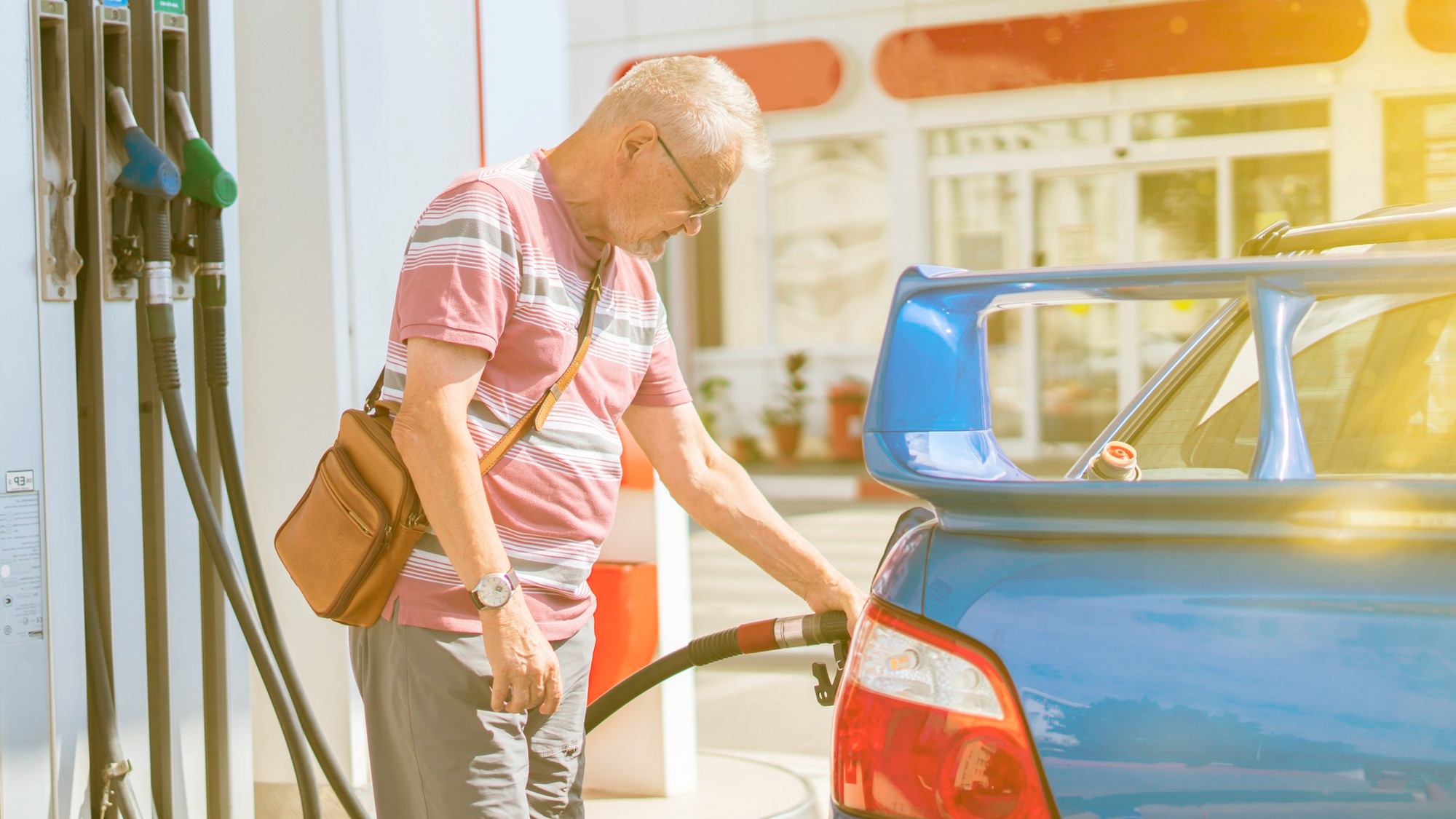
Driving is cheaper, but not by as much as it used to be. At $4.45 a gallon, the national average price tracked by the U.S. Energy Information Administration in late May 2026, a 600-mile round trip in a minivan averaging 25 miles per gallon burns through about $160 in fuel. The same drive cost roughly $130 a year ago, when gas sat closer to $3.70. Add in pricier roadside meals and higher hotel rates, and the typical family road trip runs an estimated $187 more than it did last Memorial Day. That figure comes from a composite calculation by the consumer travel site NerdWallet, which combined EIA fuel price data, AAA average driving distances for holiday weekends, and Bureau of Labor Statistics lodging and food indexes to model total trip-cost changes year over year.
Memorial Day marks the unofficial start of summer travel season, and 2026 is shaping up as one of the most expensive kickoffs in recent memory.
Where the 20% airfare number comes from
The Bureau of Transportation Statistics publishes a domestic ticket sample covering 10% of all U.S. itineraries. It is the most comprehensive public dataset on what Americans actually pay to fly. First-quarter 2026 records show average domestic fares up roughly 20% compared with the same period in 2025 on peak leisure corridors such as Chicago to Orlando, Dallas to Cancun, and New York to Miami. The increase is smaller on an all-routes basis, but for the holiday corridors families are booking right now, 20% is the order of magnitude the BTS sample reflects.
The Consumer Price Index from the Bureau of Labor Statistics reinforces the picture. In the most recent CPI data available through early 2026, the airline fare index was running well above the overall inflation rate. That gap between airfare inflation and general price growth has been widening since late 2025, pushed by strong leisure demand, tighter seat capacity on popular vacation routes, and jet fuel costs that remain elevated.
Not every route is up 20%. Heavily competed corridors with multiple low-cost carriers (New York to Fort Lauderdale, Los Angeles to Las Vegas) tend to see smaller spikes because airlines undercut each other for market share. Smaller regional airports with fewer options often absorb the full brunt of fare increases. And travelers booking close to departure will pay a steeper premium than those who locked in tickets weeks ago.
“We are seeing the highest Memorial Day fares since we started tracking in 2019,” said Hayley Berg, lead economist at the travel app Hopper, in a May 2026 briefing. “On the most popular family routes, a 20% jump is not an outlier. It is the median.”
Gas prices and the road-trip tax
For the millions of families who prefer to drive, gasoline is the unavoidable line item. The EIA’s Weekly Petroleum Status Report shows gasoline inventories tightening heading into the summer driving season, with refinery utilization rates and product-supplied figures pointing to sustained demand. That supply-demand squeeze has kept the national average near $4.45 a gallon, up from roughly $3.70 at the same point in 2025 according to EIA historical data.
“Every 25-cent increase at the pump adds about $15 to a typical holiday road trip,” said Andrew Gross, a spokesperson for AAA, in the organization’s May 2026 travel forecast. “When you stack that on top of higher food and lodging costs, families are looking at real money.”
The $187 composite estimate layers the per-gallon price increase over AAA’s average holiday driving distance of roughly 300 miles each way, then adds BLS-tracked increases in restaurant meals and hotel rates. It is a modeled number, not a single government statistic, and the actual hit varies by vehicle, route, and spending habits. Families with larger SUVs or longer routes will feel a bigger hit; those with hybrids or shorter trips, a smaller one.
The costs the headline does not capture
Transportation is only part of the bill. Hotel rates in popular Memorial Day destinations have also climbed, though the increases vary widely by market. Coastal resort towns and theme-park corridors tend to see the steepest holiday markups, while cities that depend more on business travel sometimes offer better weekend deals. Rental car prices, which spiked dramatically during the post-pandemic travel surge of 2021 and 2022, have moderated but remain above pre-2020 levels in most markets.
Federal data also cannot capture last-minute disruptions. A refinery outage, a hurricane threat in the Gulf, or a sudden wave of flight cancellations could push actual costs higher than any current projection. On the other hand, weaker-than-expected booking volumes could prompt airlines to release discounted inventory in the final days before the holiday.
One question the numbers do not answer on their own: whether wages have kept pace. Nominal earnings have risen over the past year, but for many households the gains have not matched the jump in travel costs, which helps explain why a $187 increase feels more like a gut punch than a rounding error.
Stretching the budget without canceling the trip
Higher costs do not have to mean staying home, but they reward flexibility. A few strategies grounded in how airlines and fuel markets actually work:
- Shift travel days. Flying out on the Wednesday before Memorial Day or returning on Tuesday instead of Monday can cut airfare significantly. Airlines price by demand curves, and the peak days (Thursday and Friday outbound, Sunday and Monday return) carry the steepest premiums.
- Use alternate airports. Secondary airports like Oakland instead of SFO, Burbank instead of LAX, or Fort Lauderdale instead of Miami often have lower base fares and fewer surcharges, especially on budget carriers.
- Fill up before the interstate. Gas stations near highway on-ramps and in tourist corridors routinely charge 30 to 50 cents more per gallon than stations a few miles off the main route. Apps like GasBuddy can surface cheaper stops along the way.
- Consider a shorter drive. Swapping a 500-mile destination for one 200 miles away saves roughly $50 in fuel at current prices, and the time savings can open up an extra day of actual vacation.
- Book refundable or flexible fares if plans are uncertain. With prices this elevated, a nonrefundable ticket that goes unused is a costly mistake. Some airlines now offer fare-lock options for a small fee, holding a price for 24 to 72 hours while you decide.
How 2026 stacks up against recent Memorial Days
Memorial Day travel costs have been on an upward trajectory since the post-pandemic rebound began in 2021. That year, pent-up demand collided with reduced airline capacity and rental car shortages, sending prices soaring. Costs dipped slightly in 2023 as supply chains normalized, but they never returned to 2019 levels. The 2026 numbers represent a new peak in the cycle, driven less by supply-chain chaos and more by persistent inflation in fuel, labor, and airport operating costs that airlines pass through to passengers.
The EIA and BLS will both release updated data in the first weeks of June 2026, which will show whether Memorial Day weekend prices matched, exceeded, or fell short of the projections circulating now. Until then, the federal datasets available through early May 2026 remain the most reliable foundation for planning.
What your credit card statement will confirm
Getting anywhere for Memorial Day 2026 costs meaningfully more than it did a year ago, whether you fly or drive. The exact toll depends on your route, your vehicle, and how far in advance you booked. But the direction of the trend is not in dispute. Federal price data confirms it. And for the families loading up the car or refreshing flight searches this week, the numbers are no longer abstract. They are the difference between the trip you planned and the trip you can actually afford.