Published in May 2026.
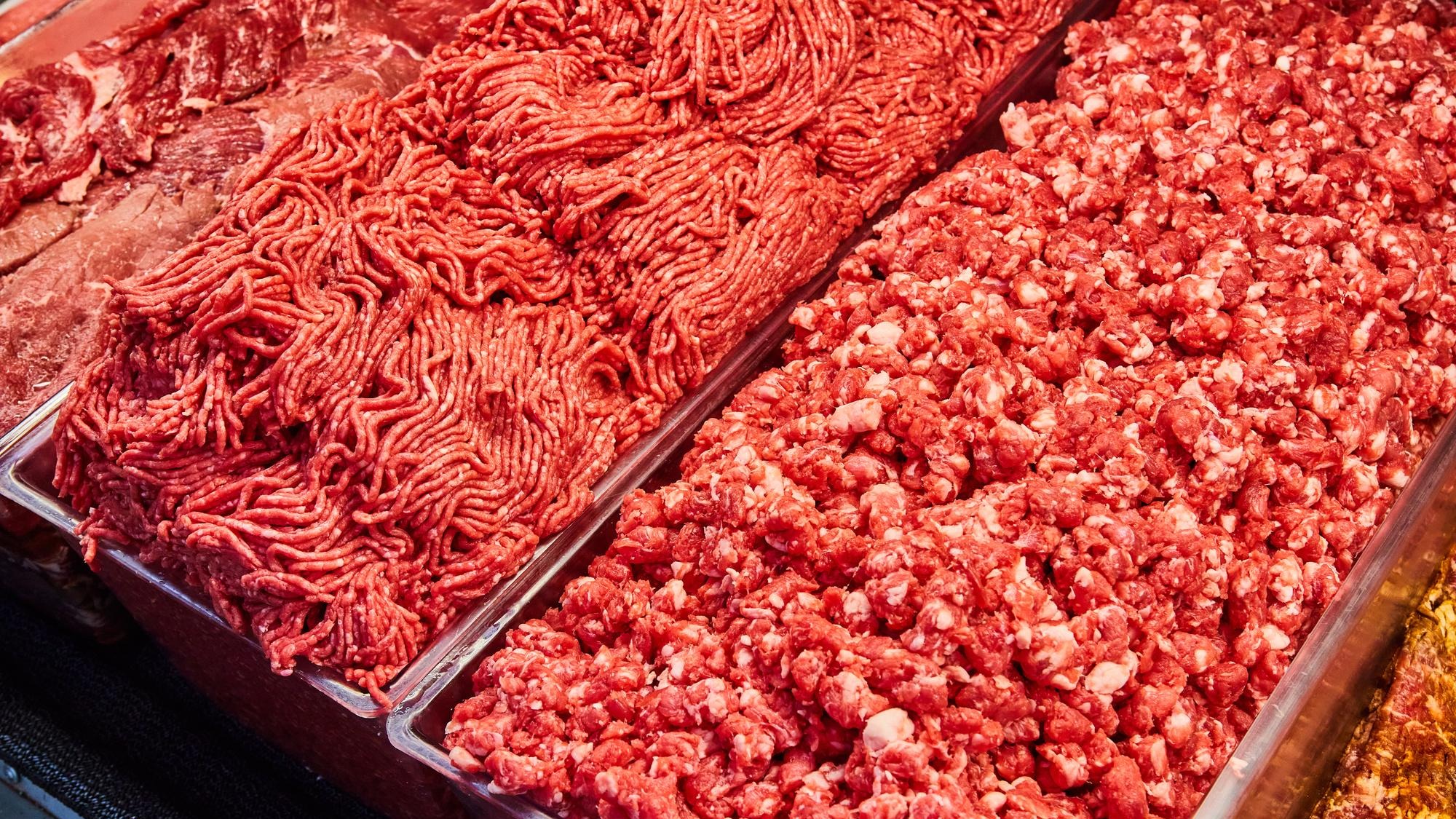
Two pounds of steak for a weekend cookout now costs more than $25 before you even grab the charcoal. The Bureau of Labor Statistics reported that the average price of all uncooked beef steaks reached $12.74 per pound in February 2026, the highest reading in a data series that goes back to 1984. Ground beef, the cut most families treat as the affordable option, averaged $6.70 per pound in March 2026. And the USDA says the worst of it may still be ahead.
The USDA’s forecast: how much higher prices could go
In its April 2026 food price outlook, the USDA’s Economic Research Service reported that beef and veal prices in March 2026 already ran 12.1% above the same month a year earlier, far outpacing inflation in nearly every other grocery aisle. The agency’s central projection for the full calendar year calls for a 6.3% average increase, but its prediction interval stretches from a floor of just 0.1% to a ceiling of 13.1%.
That ceiling matters because it describes a plausible scenario, not a fringe one. If monthly prices keep climbing toward the top of that range through the second half of 2026, year-over-year comparisons late in the year could approach 18% above year-earlier levels. The USDA itself flags several wildcards: pasture conditions, feed costs, trade policy, and whether consumers finally pull back hard enough to cool demand.
Why the cattle herd keeps shrinking
The price surge traces to a supply problem years in the making. Persistent drought across major ranching states and elevated feed costs pushed producers to send more cattle to slaughter earlier in the cycle while holding back fewer heifers for breeding. The USDA’s most recent cattle inventory report, released in late January 2026, showed the national herd continuing a contraction that began around 2019. Fewer animals moving through feedlots and packing plants means less beef reaching grocery store coolers.
Rebuilding is slow by nature. A rancher who retains heifers today will not see marketable calves from those animals for roughly two years. That investment only pays off if prices remain high enough to justify the carrying costs, a bet many producers are reluctant to make after the last drought cycle burned them.
Export demand compounds the squeeze. The United States ships a meaningful share of its beef production overseas, particularly to Japan, South Korea, and China. Strong global demand for American beef has kept export volumes elevated, tightening the supply available to domestic shoppers even further.
What shoppers are paying right now
The steak record and the ground beef figure sit in different reporting months, February and March respectively, but together they tell a consistent story. Ground beef’s slight dip from $6.75 in January to $6.70 in March amounts to a nickel of relief against a trend line that has been climbing for more than a year.
Put it in cookout terms: two pounds of steak at $12.74 runs $25.48. Three pounds of ground beef for burgers adds $20.10. That is north of $45 in meat alone, before buns, cheese, or a bag of ice. The same purchase two years ago would have cost several dollars less per pound across both cuts.
“I used to grab a couple of ribeyes without even checking the tag. Now I look at the price and walk over to the chicken case,” said one Dallas-area grocery shopper interviewed at a Kroger in late May 2026, echoing a sentiment heard in supermarket aisles across the country.
Grocery chains have responded by promoting value packs and store-brand beef. Industry data also shows shoppers increasingly swapping steak nights for chicken or pork, both of which remain cheaper per pound. The USDA projects poultry prices rising between 1.1% and 5.5% in 2026, a fraction of beef’s expected increase, giving budget-conscious families at least one protein that is not inflating nearly as fast.
Who captures the higher prices
A persistent question in every beef price spike is where the extra money consumers pay actually lands. The USDA tracks meat price spreads comparing farm-level, wholesale, and retail values for a standard Choice-grade steer. In past cycles, rancher advocacy groups have argued that concentration among the four largest meatpackers allows processors to keep farm-gate prices suppressed even as retail prices climb. Updated spread data covering early 2026 had not yet been published as of May 2026, so whether that pattern is repeating remains an open question worth watching as the summer grilling season unfolds.
What a $13-a-pound summer looks like at the grill
Herd rebuilding is a multi-year process, and ranchers have reason to move cautiously. Expanding too aggressively risks flooding the market just as prices soften, a boom-and-bust pattern the cattle industry has repeated across decades. The USDA’s prediction interval leaves room for prices to rise only marginally if production recovers faster than expected or a broader economic slowdown dampens demand, but the central forecast still points firmly upward.
For families planning cookouts between Memorial Day and Labor Day, the takeaway is blunt: steaks and burgers will almost certainly be the most expensive items in the grocery cart this summer, and a quick retreat to pre-2024 prices is unlikely. Stretching the budget may mean smaller portions, more chicken thighs on the grate, or rediscovering what a well-seasoned pork shoulder can do over low, slow heat. The beef market is not offering any bargains, and the USDA’s own numbers suggest it will not for a while.