When State Farm sent renewal notices to tens of thousands of California homeowners in early 2026, the numbers told a blunt story: premiums were jumping 17% in a single year. For a policyholder paying $2,400 annually, that meant roughly $400 more, on top of increases that had already accumulated over the previous four years.
The hike was not a corporate decision made in a vacuum. The California Department of Insurance approved the 17% interim rate increase for State Farm General Insurance Company after an administrative law judge reviewed the insurer’s emergency filing and concluded the relief was actuarially justified. It is the largest single rate increase the state has approved for a major home insurer in recent memory, and it arrived against a backdrop that is reshaping the cost of homeownership across the country.
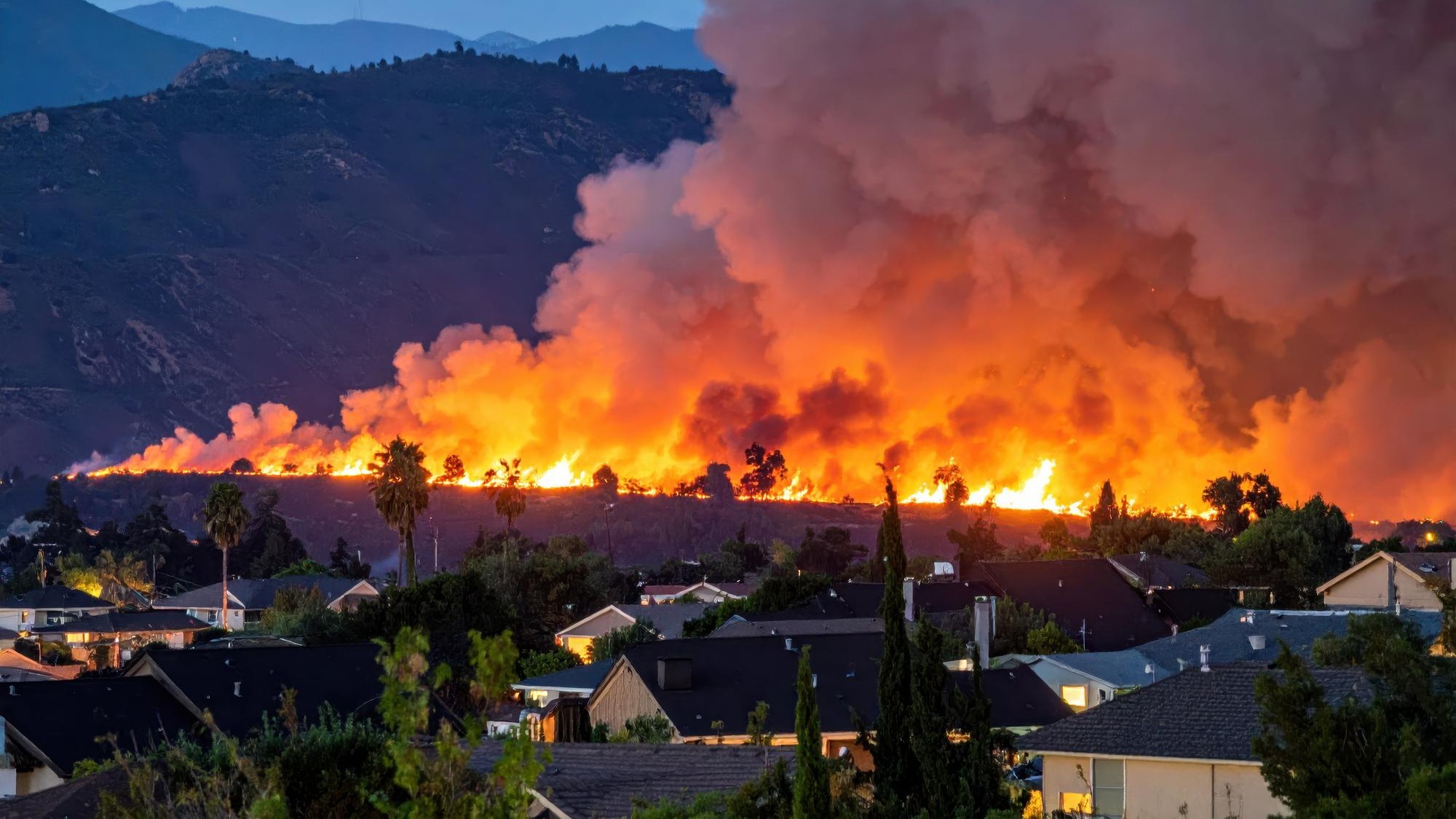
The January 2025 Los Angeles wildfires destroyed more than 12,000 structures and generated an estimated $30 billion to $40 billion in insured losses, according to preliminary figures from catastrophe modeling firms. Those losses triggered a wave of emergency rate filings from insurers doing business in California. As of May 2026, multiple carriers have submitted requests that, taken together, could push average California homeowners premiums roughly 16% higher, based on filings tracked by the Insurance Information Institute. Some carriers are seeking increases of 30% or more on specific policy lines, particularly in wildfire-exposed ZIP codes.
California’s crisis is the sharpest edge of a national trend. Homeowners insurance premiums have now risen for five consecutive years across the United States. The Bureau of Labor Statistics’ Consumer Price Index for tenants’ and household insurance showed a roughly 12% year-over-year increase through late 2025, and private forecasters such as Insurify project continued increases into 2026. But nowhere is the collision of wildfire losses, soaring construction costs, and a tightening reinsurance market more visible than in California.
What regulators approved for State Farm, and why it matters
Insurance Commissioner Ricardo Lara approved the 17% interim increase after regulators trimmed State Farm’s original request. The company had sought a larger hike, but the Department of Insurance scrutinized its wildfire loss experience, reinsurance costs, and capital position before settling on a lower figure.
The approval came with a significant condition: State Farm must accept an immediate $400 million cash infusion through a surplus note, a financial instrument designed to rebuild the insurer’s reserves after heavy wildfire-related payouts. The administrative decision details the actuarial assumptions behind the ruling and makes clear that the interim rate could be adjusted once a full review of the company’s filings is complete.
The conditional structure was deliberate. Rather than allowing State Farm to pass all of its wildfire losses onto policyholders in a single rate shock, regulators staged the increase and required the capital commitment as a backstop. The Department of Insurance framed the approach as a way to buy time for longer-term reforms while reducing the immediate risk that one of the state’s largest home insurers might sharply curtail coverage or become financially unstable.
That risk is not hypothetical. In 2023, State Farm announced it would stop writing new homeowners policies in California entirely. Allstate had already paused new applications. Both carriers subsequently non-renewed thousands of existing policies in high-fire-risk areas, decisions that pushed a growing number of homeowners toward the state’s insurer of last resort.
Five years of climbing costs, and the forces behind them
California’s situation is extreme, but it fits a national pattern documented by the Government Accountability Office. The GAO found that homeowners insurance premiums have generally tracked inflation in lower-risk areas but have risen significantly faster in regions exposed to wildfires, hurricanes, inland flooding, and severe convective storms. Geography, the GAO concluded, is now a primary driver of what Americans pay to insure their homes.
Several forces are compounding at once:
- Reinsurance costs. The coverage that insurers themselves buy to spread catastrophic risk has become more expensive as global losses mount. Reinsurers raised prices sharply after 2022 and 2023 hurricane and wildfire seasons, and those costs flow directly into consumer premiums.
- Construction inflation. Rebuilding a destroyed home costs substantially more than it did five years ago. Lumber, labor, and materials prices remain elevated, meaning every total loss generates a larger claim.
- Updated catastrophe models. Insurers use sophisticated models to estimate future losses, and those models are being recalibrated to reflect more frequent and intense wildfire seasons. That pushes projected risk higher even in years without a major event.
The result is a market that looks fundamentally different from a decade ago. The California FAIR Plan, the state’s insurer of last resort, has seen enrollment surge as private carriers pull back. The FAIR Plan itself has raised rates and faces serious questions about whether it holds enough capital to cover another catastrophic fire season.
What California is trying to change
The rate crisis has accelerated regulatory reform efforts that were already underway before the LA fires. Commissioner Lara’s Sustainable Insurance Strategy, launched in 2023, aims to modernize how insurers price wildfire risk in California. A central element is allowing companies to use forward-looking catastrophe models in their rate filings, something that was previously restricted under Proposition 103, the 1988 voter-approved law that gives the state’s insurance commissioner authority to reject excessive rate increases.
The tradeoff is stark. Letting insurers use updated models could lead to higher premiums in fire-prone areas, but regulators hope it will also persuade carriers to keep writing policies in California rather than withdrawing. Consumer advocacy groups, including Consumer Watchdog, have pushed back, arguing that loosening Prop 103 protections could expose homeowners to unchecked rate increases without guaranteeing that insurers will return to high-risk markets.
At the same time, the state is investing in wildfire mitigation, including vegetation management and building-code upgrades, and exploring whether homeowners who harden their properties should qualify for meaningful premium discounts. Several bills moving through the California Legislature in 2026 would require insurers to offer verified mitigation credits, though the details and enforcement mechanisms remain under negotiation.
What remains uncertain heading into fire season
The 16% average premium increase and the 30% rate hike requests referenced in insurer filings draw on carrier submissions and private analyses rather than a single authoritative regulatory tally. The California Department of Insurance has not published a comprehensive summary of all pending rate requests, and specific breakdowns beyond State Farm are not yet available in the public regulatory record.
It is also unclear how many additional insurers will file emergency rate requests or whether the Department of Insurance will impose the same conditions it applied to State Farm on other carriers. Commissioner Lara’s office has signaled that each filing will be evaluated individually, but the precedent set by the State Farm decision will likely shape negotiations.
The long-term trajectory depends on variables that regulators and insurers are still calculating: final insured loss totals from the LA fires, the pace and cost of rebuilding, and whether reinsurance markets stabilize or tighten further. If approved rates lag behind underlying risk, more carriers could pull back from high-risk ZIP codes, leaving homeowners with fewer options. If the conditional approval model works as regulators intend, partial increases paired with capital requirements could stabilize the market by preventing overcorrections.
Neither outcome is guaranteed, and California’s 2026 fire season has not yet begun.
What homeowners can do before their next renewal
While systemic fixes work through the regulatory process, homeowners have options that can make a real difference at renewal time.
Shop aggressively. Rate increases vary widely by company. A carrier raising rates 22% in one ZIP code may be holding steady in another. Getting quotes from at least three insurers, including regional carriers and mutual companies, is the single most effective way to find competitive pricing.
Pursue mitigation credits. Homeowners in high-fire-risk areas should check whether their property qualifies for premium discounts tied to defensible space clearance, fire-resistant roofing, Class A roof assemblies, or ember-resistant vents. Some insurers now factor these improvements into pricing, and California’s Safer from Wildfires framework provides a checklist of qualifying measures.
Understand the FAIR Plan. Those who have been non-renewed or cannot find coverage in the private market can apply for a policy through the California FAIR Plan. FAIR Plan policies are typically more expensive and offer narrower coverage than standard homeowners insurance. Bundling a FAIR Plan fire policy with a separate “difference in conditions” policy can help fill coverage gaps, but the combined cost is often significantly higher than a traditional policy would have been just a few years ago.
Check your replacement cost. With construction costs elevated, many policies written two or three years ago may now underinsure a home’s actual replacement cost. An underinsured claim after a fire can be financially devastating, even for families who never missed a premium payment. Requesting an updated replacement cost estimate from your insurer or an independent appraiser is worth the effort before fire season begins.