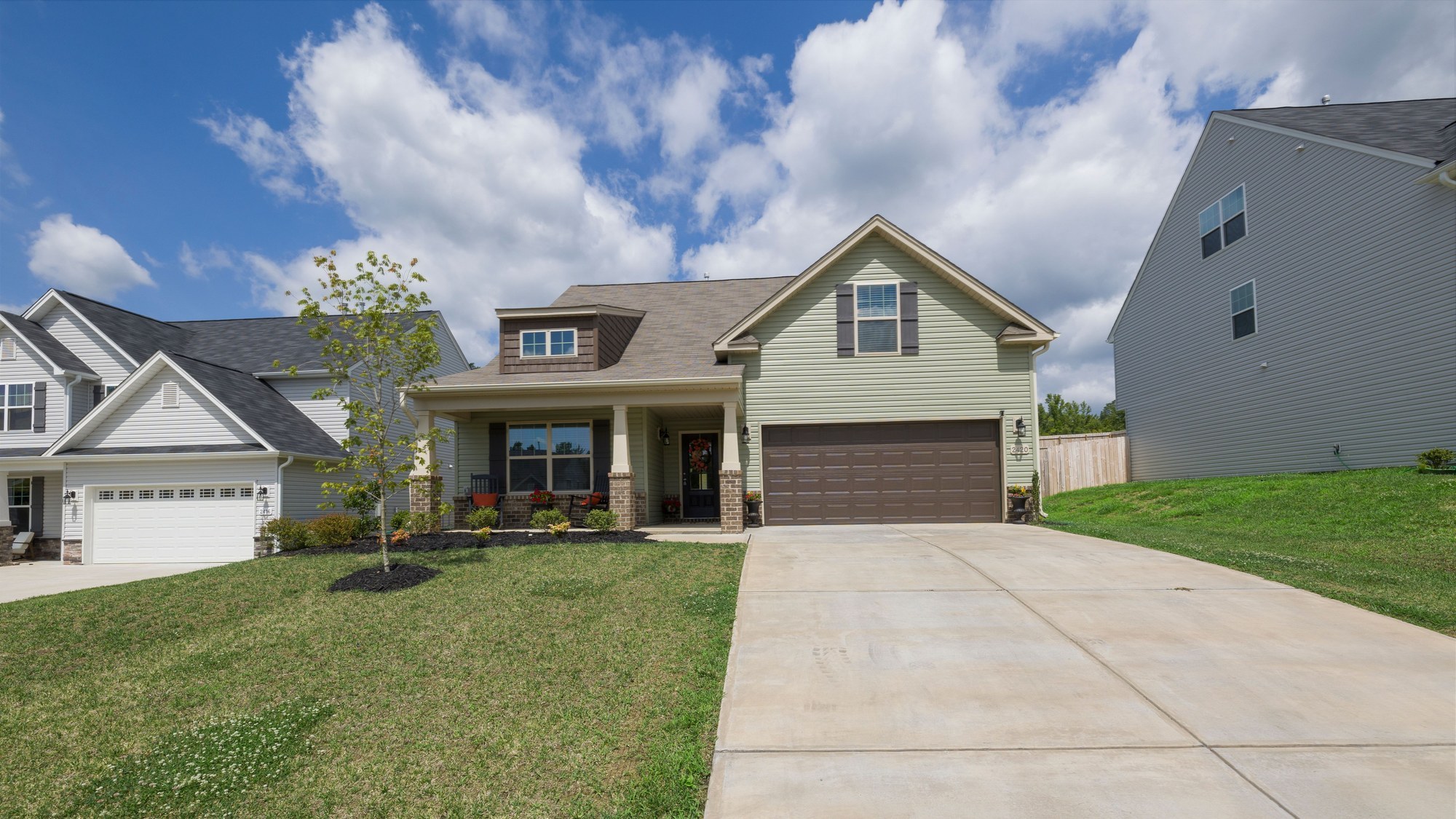
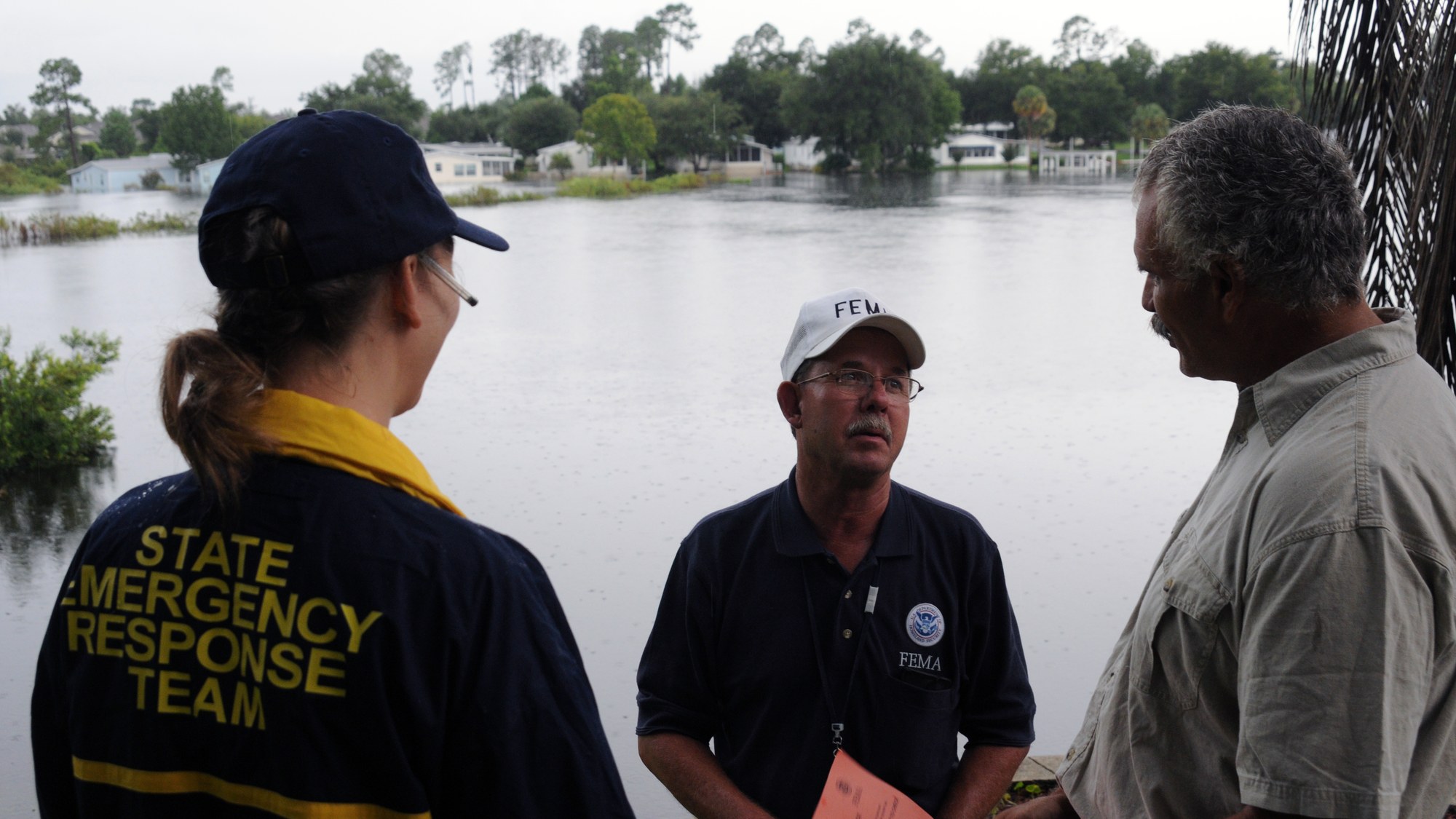
Homeowners across the United States face another year of rising insurance costs, with the national average premium projected to hit $3,057 in 2026. That figure represents a 4% increase after premiums already jumped 12% in 2025, according to data from insurance comparison platform Insurify. The steepest increases are concentrated in California, Nebraska, New Mexico, and Georgia, where rates are climbing at 10% or more, squeezing household budgets that have already absorbed years of compounding price hikes.
A 12% surge in 2025 sets the stage for continued pressure
The 4% projected increase for 2026 may look modest next to the 12% spike homeowners absorbed in 2025, but the cumulative effect is significant. A homeowner paying the national average is now spending hundreds of dollars more per year than just two years ago. Insurify’s analysis, drawn from rate filings and market data, identifies California as the state with the fastest price increases, while Nebraska, New Mexico, and Georgia each face hikes of 10% or more. For families in those states, the gap between their premiums and the national average is widening fast.
The financial strain hits hardest for homeowners on fixed incomes or those already stretched by rising property taxes and mortgage rates. Insurance is not optional for most borrowers; lenders require it. When premiums climb at double-digit rates, the added cost flows directly into monthly escrow payments, reducing the money available for other expenses. In states like California, where home values are high, the dollar impact of even a percentage-point increase can run well into the hundreds.
California’s regulatory interventions signal deeper market stress
California’s position at the top of the rate-increase list is not just a function of wildfire risk. The state’s insurance market has been under extraordinary regulatory pressure. The California Department of Insurance, Consumer Watchdog, and State Farm reached a settlement agreement on an emergency interim rate request, a move that reflects how strained the relationship between insurers and regulators has become. That settlement also extended the state’s moratorium on nonrenewals and cancellations, a temporary shield for policyholders who might otherwise lose coverage entirely.
These interventions tell a clear story: insurers want higher rates to offset growing claims costs, and regulators are trying to balance affordability with market stability. When a major carrier like State Farm files an emergency rate request, it signals that the company views its current pricing as unsustainable. The settlement terms, including refund and interest provisions, show regulators pushing back on the speed and scale of those increases. But settlements do not eliminate the underlying cost pressures. Wildfire losses, reinsurance costs, and construction inflation continue to drive insurer expenses higher.
Historical data from the California Department of Insurance, which tracks residential property written premiums and average written premiums from 2008 through 2023, shows a long upward trend that has accelerated sharply in recent years. The current cycle of rate increases is not a one-year anomaly but a continuation of structural cost growth that has outpaced general inflation for more than a decade. As claims from wildfires, storms, and other catastrophes have become more frequent and severe, insurers have raised prices to keep pace with payouts and the cost of rebuilding.
Climate risk and rebuilding costs push prices higher
Behind the headline rate hikes is a convergence of climate and economic pressures. In many regions, more intense wildfires, hurricanes, and convective storms have driven up catastrophe losses. At the same time, labor shortages, higher wages in the construction sector, and elevated materials prices have made every claim more expensive to settle. Even routine water or wind damage can cost significantly more to repair than it did a few years ago.
Insurers also face higher reinsurance costs, the price they pay to transfer a portion of their risk to global reinsurers. When reinsurers raise their own prices after large loss years, primary insurers pass some of that increase on to homeowners. The result is a feedback loop in which each season of heavy catastrophe losses feeds into the next round of rate filings, keeping upward pressure on premiums even in years with fewer headline disasters.
Consumers weigh difficult choices
For many households, rising premiums are forcing difficult trade-offs. Some homeowners are increasing deductibles or reducing coverage limits to keep payments manageable, potentially leaving themselves exposed if a major loss occurs. Others are shopping aggressively among carriers, only to find that alternatives are limited in high-risk areas or that new quotes are not much lower than renewal offers.
In the most stressed markets, including parts of California and other catastrophe-prone states, the concern is not just affordability but availability. When insurers restrict new business or decline to renew existing policies, homeowners can be pushed into last-resort or state-backed plans that often provide narrower coverage at higher prices. Regulators are trying to prevent a full-scale retreat by major carriers, but the tension between solvency and consumer protection is growing.
Outlook: more scrutiny, but no quick relief
Looking ahead to 2026, the projected 4% national increase suggests some moderation from the double-digit surge of 2025, yet offers little real relief for households already stretched thin. Unless catastrophe losses fall sharply or construction and reinsurance costs ease, insurers are likely to keep pursuing additional rate hikes in the years that follow. Policymakers and regulators will face mounting pressure to scrutinize filings, expand mitigation incentives, and explore reforms that can stabilize markets without driving carriers out.
For now, homeowners must navigate a landscape in which insurance is both more essential and more expensive than ever. The combination of climbing premiums, localized availability crises, and long-running structural cost growth underscores a central reality of the current housing market: insuring a home is no longer a background expense, but a defining factor in whether ownership remains financially sustainable.
Free tool for readers: It’s free, takes about five minutes, and there’s no sign-up to see your result: get your free Retirement Safety Score — a 0–100 number plus a few personalized steps for making your money last.