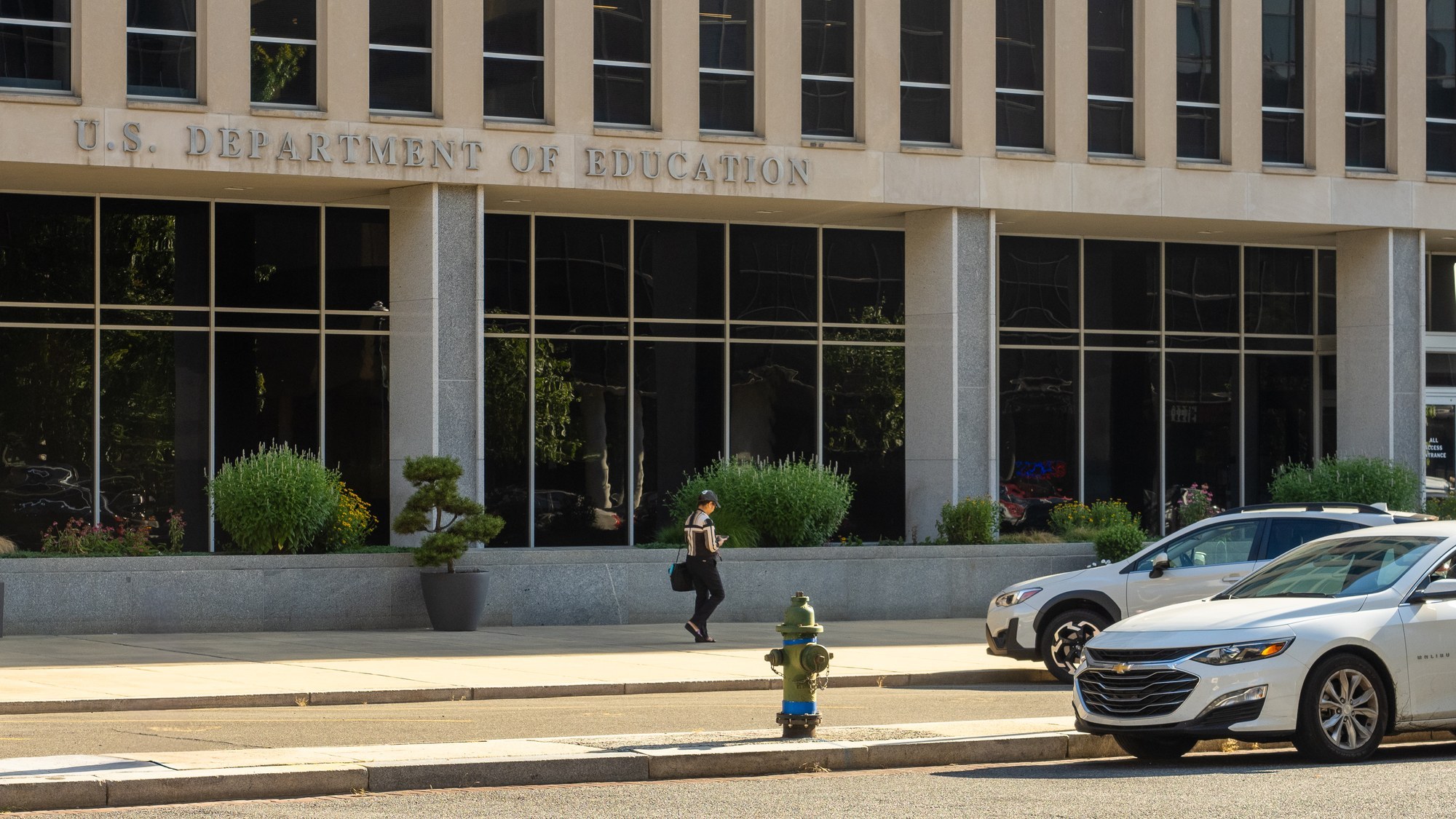
A borrower earning $40,000 a year with $50,000 in federal student loans could go from paying nothing each month to owing more than $500, practically overnight, if they miss a fast-approaching deadline. That is the reality facing roughly 8 million people who were enrolled in the SAVE repayment plan before the U.S. Department of Education declared it unlawful and began notifying affected borrowers this spring. Each person received a 90-day window to choose a replacement plan. For those who got early notices, roughly 57 days remain as of late May 2026.
Anyone who does not actively select a new plan before their individual deadline will be automatically placed on the Standard Repayment Plan or a newly created Tiered Standard plan. Both typically carry the highest monthly payments among available federal repayment options.
For most former SAVE enrollees, this is not a small adjustment. SAVE calculated payments based on income and family size, and many borrowers were paying $0 or well under $200 per month. Under the 10-year Standard plan, that same borrower with $35,000 in federal loans at a 6% interest rate would owe roughly $389 per month, regardless of what they earn. And because millions of these borrowers have been sitting in administrative forbearance since courts first blocked SAVE in mid-2024, interest has been piling up the entire time, meaning the balance they owe now may be larger than when they last made a payment.
The 90-day clock and what happens when it expires
The Department of Education’s transition process works like this: each affected borrower received a formal notice specifying the date their 90-day selection period began. The department stated plainly that anyone who does not submit a repayment plan choice before the window closes will be moved into the Standard Repayment Plan or the Tiered Standard plan.
The Standard plan divides a borrower’s total balance into fixed monthly installments over 10 years. It does not account for income, family size, or financial hardship. For someone bringing home $2,800 a month after taxes and facing a $530 loan payment, the math gets brutal fast.
The Tiered Standard plan, referenced alongside Standard in the department’s communications, is supposed to start with lower payments that increase over time. But as of late May 2026, the Education Department has not published detailed eligibility rules, payment formulas, or an implementation timeline. That gap makes it nearly impossible for borrowers to evaluate Tiered Standard as a realistic option right now.
Once individual deadlines pass, loan servicers will begin processing automatic transfers. Borrowers who have been in forbearance will see their required monthly bills jump sharply, with no gradual phase-in.
What official sources confirm
The auto-enrollment consequence is documented, not speculative. A Federal Student Aid regulatory filing published in April 2026 for the William D. Ford Federal Direct Loan Program Repayment Plan Selection Form references the governing provisions in Title 34 of the Code of Federal Regulations. It states explicitly that borrowers who do not select an initial repayment plan are placed on the Standard or Tiered Standard plan.
The borrower-facing rights statement on StudentAid.gov puts it in plain language: “If you do not choose a repayment plan, we will place you on the Standard Repayment Plan.” Federal loan servicer MOHELA posts the same rule on its repayment options page.
Standard-as-fallback has been embedded in federal student loan regulations for years. What is unprecedented is the scale. It is now being applied to millions of borrowers who had been sheltered under SAVE’s income-based calculations and, more recently, under administrative forbearance while courts sorted out the plan’s legality. Inaction, in practice, gets treated as consent to the most expensive payment schedule available.
Borrowers who want to verify their own status can log in at StudentAid.gov or contact their loan servicer directly. Disclosure documents, including the federal repayment notice associated with their loans, list available plans, estimated payment amounts, and the consequences of not submitting a selection form.
What remains uncertain
Several important questions still lack clear answers from the Department of Education. The department has cited the 8 million figure for affected SAVE borrowers but has not published a granular breakdown of how many will see their payments double, triple, or worse under Standard. Without official data segmented by income level, loan balance, and repayment history, it is difficult to quantify the total financial shock across different borrower groups.
The Tiered Standard plan remains especially opaque. The department names it as a default alternative alongside Standard, yet no public-facing document spells out how payments are calculated, who qualifies, or when servicers will begin offering it.
The broader legal landscape adds another layer of uncertainty. The litigation that blocked SAVE, most notably the Eighth Circuit’s ruling in Missouri v. Biden, raised questions about the legal footing of other income-driven repayment structures. Borrowers choosing a new plan now are doing so in an environment that could shift again depending on future court decisions and rulemaking. Someone who switches to an existing IDR plan like Income-Based Repayment (IBR), Pay As You Earn (PAYE), or Income-Contingent Repayment (ICR) could face another forced transition if those plans are challenged or restructured down the road.
Which alternative plans are still available
Despite the uncertainty, borrowers have meaningful options beyond Standard. Three income-driven repayment plans remain available for most federal loan holders as of May 2026:
- Income-Based Repayment (IBR): Caps payments at 10% or 15% of discretionary income, depending on when the borrower first took out loans. Offers forgiveness after 20 or 25 years of qualifying payments.
- Pay As You Earn (PAYE): Caps payments at 10% of discretionary income with forgiveness after 20 years. Eligibility is limited to borrowers who took out their first loans after October 2007 and received a disbursement after October 2011.
- Income-Contingent Repayment (ICR): Sets payments at 20% of discretionary income or the amount a borrower would pay on a 12-year fixed plan, whichever is less. Forgiveness comes after 25 years.
Each plan uses a different formula, and the resulting monthly payment can vary significantly depending on income, family size, and loan balance. The Federal Student Aid Loan Simulator lets borrowers plug in their own numbers and compare estimated payments across plans before committing.
What about PSLF and consolidation?
Borrowers pursuing Public Service Loan Forgiveness should pay close attention to which plan they choose. PSLF requires 120 qualifying monthly payments under an eligible repayment plan while working full-time for a qualifying employer. All three IDR plans listed above count toward PSLF. The Standard plan also counts, but its higher payments mean borrowers would pay off most or all of their balance before reaching 120 payments, effectively eliminating the forgiveness benefit.
Consolidation is another consideration. Borrowers who consolidate federal loans restart their qualifying payment count for IDR forgiveness and PSLF unless they have already received credit under special waiver provisions. Anyone thinking about consolidation as part of this transition should check their payment count on StudentAid.gov first and, if possible, consult with their servicer or a student loan counselor before making changes that could reset their progress.
Do borrowers who already switched plans need to act again?
Borrowers who proactively moved off SAVE and onto another repayment plan before the department sent formal notices should confirm that their servicer has processed the change. Logging into StudentAid.gov and checking the “My Aid” section will show the current repayment plan on file. If the account still reflects SAVE or shows forbearance status, the borrower should contact their servicer immediately to verify whether they need to resubmit a plan selection during the 90-day window.
How to protect yourself before the deadline
Every official source points to the same conclusion: doing nothing almost certainly means higher payments. Borrowers who received a SAVE-related notice should take these steps now, well before their individual 90-day window closes.
Confirm your deadline. Check the date on the formal notice from the Department of Education or your loan servicer. Count 90 days forward from that date to find your personal cutoff. Do not assume everyone’s deadline is the same. Notices were sent in waves, so deadlines vary.
Compare plans with real numbers. Use the Loan Simulator on StudentAid.gov or call your servicer to get estimated monthly payments under IBR, PAYE, and ICR. Ask specifically how each plan would affect your total interest paid and your timeline to forgiveness, if applicable. If you are pursuing PSLF, make sure the plan you choose qualifies.
Submit your selection early. Processing times at loan servicers can be unpredictable, especially when millions of borrowers are making changes at once. Submitting a plan choice weeks before the deadline reduces the risk of a paperwork delay pushing you into auto-enrollment on Standard.
Explore hardship options if needed. For borrowers who already expect difficulty making any monthly payment, contacting your servicer about deferment or forbearance options separate from the SAVE transition may buy some time. But those are temporary measures, not substitutes for choosing a long-term repayment plan before the clock runs out.