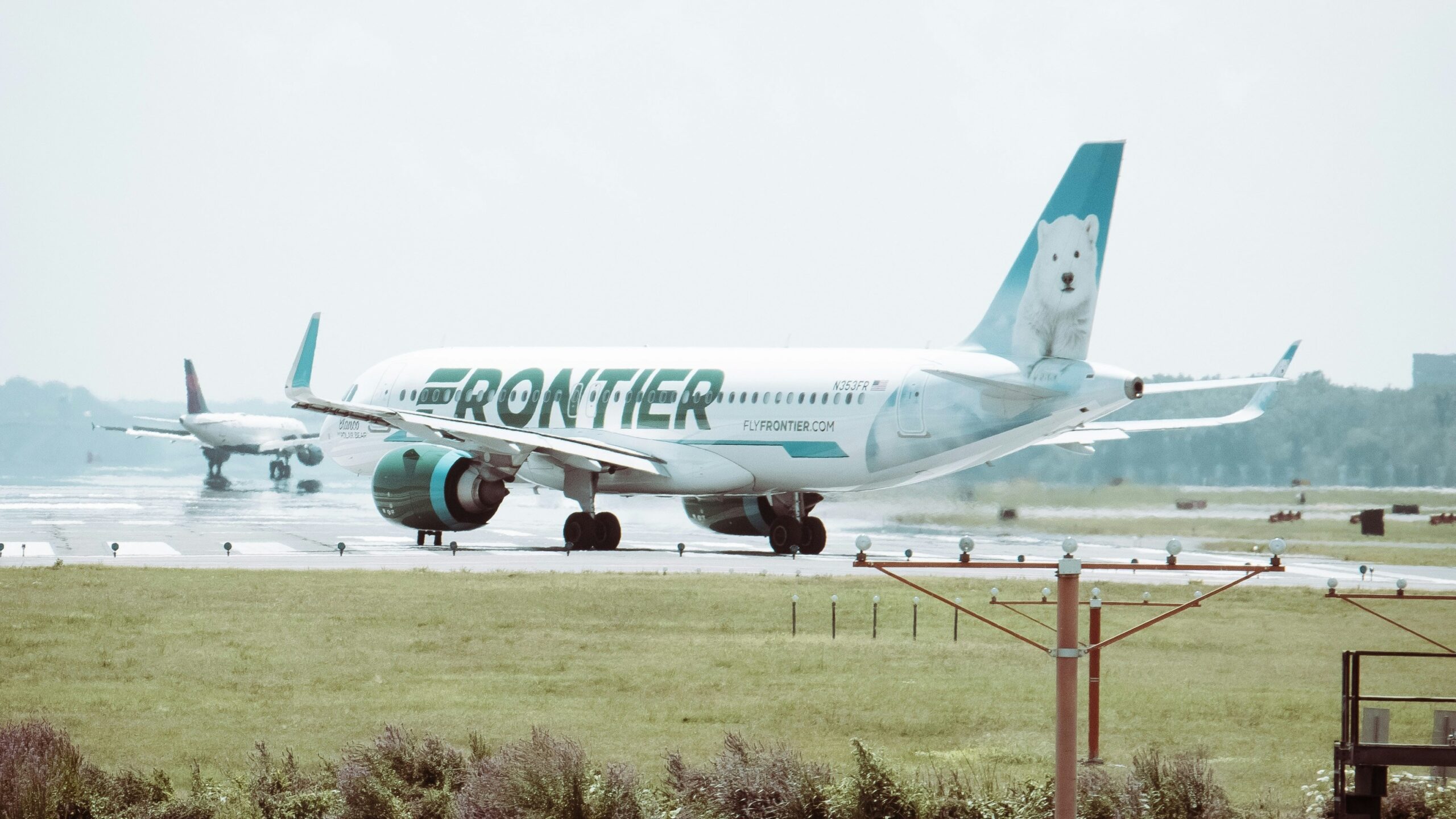
The clock is running out for anyone still holding a canceled Spirit Airlines ticket. Frontier Airlines’ rescue fares, which cut up to 50% off base prices for stranded Spirit customers, expire at 11:59 p.m. ET on May 10, 2026. After that, the discounts disappear for good, and passengers booking flights on routes Spirit once served will face permanently higher prices with no structured relief program to fall back on.
The math is already moving against travelers. Fares on routes Spirit previously operated have climbed an average of 23%, roughly $60 per round trip, according to a CBS News analysis of Cirium flight data. Passenger volume on those same routes has dropped 20%, a clear signal that some flyers are simply being priced out. Multiple airline-industry forecasters expect fares to settle 15% to 20% above pre-shutdown levels on a permanent basis, particularly on routes where Spirit was the only ultra-low-cost option.
Spirit’s shutdown is final
There is no comeback scenario. A federal bankruptcy judge approved Spirit Airlines’ dismantling and liquidation, and the company announced an orderly wind-down of operations effective immediately. Before the shutdown, Spirit operated more than 200 routes across the United States, Latin America, and the Caribbean, anchored by bases in Fort Lauderdale, Las Vegas, Orlando, and Detroit. The carrier served tens of millions of passengers annually, many of whom relied on Spirit as their only affordable option for air travel.
The Associated Press confirmed the court’s authorization, marking the legal end of a carrier that had defined the ultra-low-cost segment for more than a decade. Spirit’s disappearance removes a competitive force that the Department of Justice itself argued was essential to keeping fares low across entire markets. During the government’s challenge to the proposed JetBlue-Spirit merger in 2023 and 2024, DOJ economists presented evidence that Spirit’s mere presence on a route disciplined pricing by legacy and mid-tier carriers alike, not just on Spirit’s own flights.
What Frontier’s rescue fares actually offer
Frontier moved quickly after Spirit’s collapse, rolling out discounted fares under the promo code SAVENOW for travelers who can show proof of a canceled Spirit booking. The airline says it already serves more than 100 routes that overlap with Spirit’s former network, making it the closest substitute for many displaced passengers.
The fine print matters. Rescue fares are capacity-controlled, meaning the cheapest seats on any given flight can sell out well before the May 10 deadline. Blackout dates apply. The discount is pegged to Frontier’s own base fares, which are themselves subject to change. And the deadline applies to the booking date: travelers must purchase their tickets by May 10, though the travel itself can occur on later dates within the promotion’s terms. For passengers who need to rebook a trip Spirit was supposed to operate, these fares represent the lowest widely available option right now.
No other carrier has publicly matched Frontier’s program. JetBlue, Southwest, and several legacy airlines overlap with portions of Spirit’s old network, but none has announced a structured rescue-fare promotion with a specific promo code or deadline. Some may be offering quiet discounts on individual routes, but without public commitments, displaced passengers have limited visibility into those options.
What the government says you are owed
The U.S. Department of Transportation issued a consumer advisory spelling out passenger rights in the wake of Spirit’s shutdown:
- Passengers are entitled to refunds for flights Spirit canceled, regardless of whether the ticket was originally refundable.
- Travelers who purchased tickets with a credit card should contact their card issuer to initiate a chargeback if Spirit’s own refund channels are unresponsive.
- Passengers who booked through third-party sites like Expedia or Kayak should also contact those platforms directly, though the refund obligation ultimately rests with the airline.
- The DOT expects other airlines to offer rescue fares during the transition but cannot compel specific price levels, durations, or availability.
That last point is critical. The federal government has set expectations but not requirements. Once Frontier’s deadline passes, no regulatory mechanism forces any airline to keep discounts in place. Travelers sitting on Spirit loyalty points, travel credits, or ancillary purchases like seat assignments and prepaid baggage face an even murkier path. In past airline liquidations, unsecured customer claims have taken years to resolve and often paid out only pennies on the dollar.
Why fares are unlikely to come back down
The pricing pattern after an airline exit is well documented. When a low-cost carrier leaves a route, remaining airlines face less pressure to match rock-bottom fares. The CBS News/Cirium data showing a 23% average fare increase on former Spirit routes tracks closely with what researchers have observed after other carrier shutdowns and route withdrawals over the past two decades.
On some routes, the impact will be sharper than the average suggests. In smaller or seasonal markets where Spirit was the only budget option, legacy carriers now hold significant pricing power, especially during peak travel windows like summer holidays and spring break. Fort Lauderdale to cities across the Caribbean, Las Vegas to mid-size Midwestern airports, Orlando to secondary Northeast markets: these are the corridors where travelers are most likely to feel the squeeze.
In larger markets with multiple low-cost competitors, the effect should be more muted. If Frontier, JetBlue, or Southwest already operate aggressively on a given city pair, Spirit’s exit removes one player but does not eliminate budget competition entirely. How airports reallocate Spirit’s former gates and slots will also shape the competitive landscape in the months ahead. Airports that move quickly to bring in new low-cost service could blunt fare increases; those that hand gates to legacy carriers may see prices rise faster.
What to do before the May 10 deadline
Frontier’s rescue fares are the most concrete, publicly documented discount available to former Spirit customers, and they vanish after Saturday night. Travelers still holding canceled Spirit bookings should take these steps now:
- Check whether their route is among Frontier’s 100-plus overlapping routes using the airline’s booking tool at flyfrontier.com.
- Apply the promo code SAVENOW at checkout and have proof of their canceled Spirit booking ready if prompted.
- Book sooner rather than later. The best fares within the promotion are capacity-controlled and may already be gone on popular routes.
- File for a refund from Spirit for the original canceled ticket, or initiate a credit card chargeback, separate from any new booking on Frontier or another carrier.
For travelers who miss the deadline or whose routes fall outside Frontier’s network, the outlook is tougher but not hopeless. Comparing fares across multiple carriers and using flexible-date searches can still surface competitive prices on some routes. But the structural reality is that Spirit’s capacity is not being replaced seat for seat. The industry-wide trend points toward higher fares on the routes the carrier once kept cheap, and waiting is unlikely to make flying those corridors less expensive.