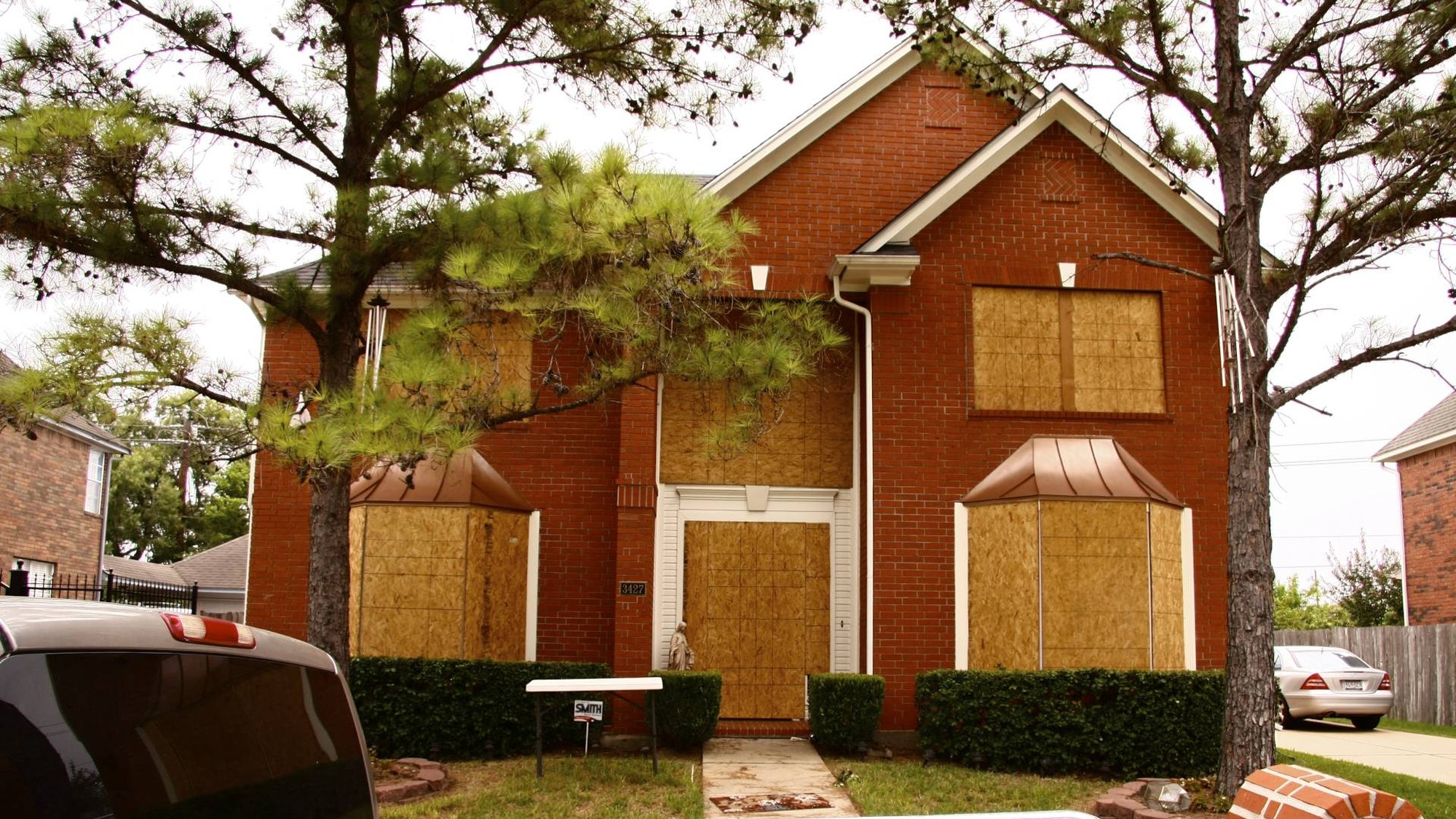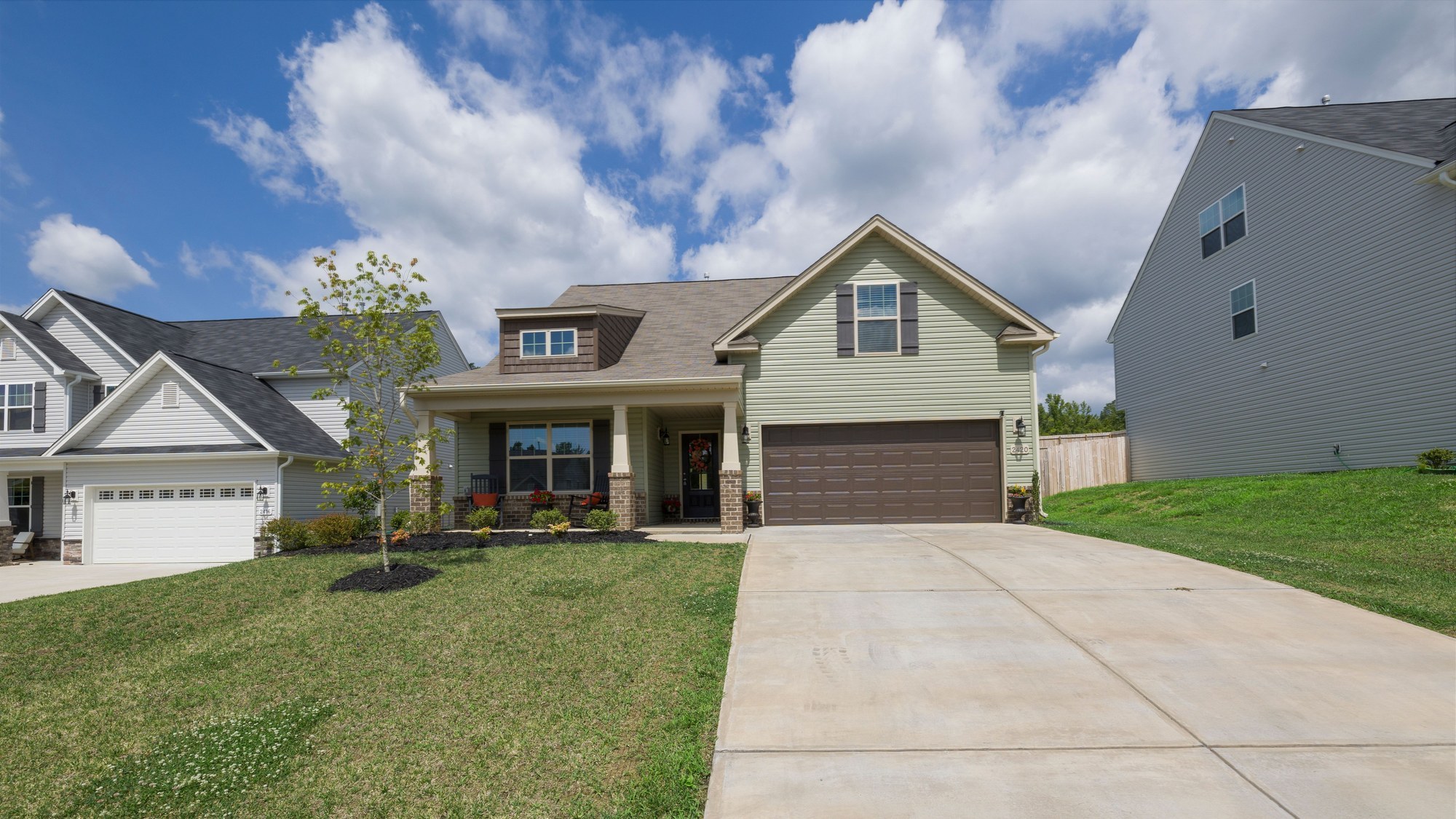
Two years ago, nearly half of all mortgaged homes in the United States qualified as “equity-rich,” a term the property data firm ATTOM uses when an owner owes less than 50% of the home’s estimated market value. In the first quarter of 2025, that share dropped to 43.3%, the lowest level since 2021 and a slide of nearly five percentage points from the 48.1% peak recorded in the second quarter of 2022.
The retreat is not the result of a single shock. It reflects a slow squeeze from two directions: home prices that have gone nearly flat in large parts of the country and insurance premiums that continue to climb, especially in states exposed to hurricanes, wildfires, and flooding. Together, those forces are eroding the financial cushion millions of homeowners accumulated during the pandemic-era boom.
Price appreciation has downshifted dramatically
The Federal Housing Finance Agency’s House Price Index, which tracks repeat-sale prices on single-family properties with conforming mortgages backed by Fannie Mae and Freddie Mac, tells the story in broad strokes. Annual gains that topped 17% in early 2022 have compressed to low-single-digit territory in many metros. After adjusting for seasonal patterns, several large markets are essentially flat year over year.
Mortgage rates hovering near 7% for much of the past two years have played a central role. Elevated borrowing costs have suppressed both buyer demand and existing-home sales volume, removing the bidding-war pressure that once pushed prices higher quarter after quarter. Each month’s mortgage payment still chips away at the loan balance through normal amortization, but that slow, steady gain is no longer being amplified by rising property values. Owners who felt wealthy on paper in 2022 are now treading water.
Insurance premiums keep climbing
While prices stall, the cost of protecting a home keeps rising. The National Association of Insurance Commissioners reported that the average homeowners insurance premium jumped 11.3% between 2022 and 2023, the most recent full-year figure available. Industry data from firms like Insurify and the Insurance Information Institute suggest the pace remained elevated through 2024, though comprehensive 2025 numbers have not yet been published.
In disaster-prone states, the increases are far steeper. Florida, Louisiana, and parts of California have experienced double-digit annual premium hikes driven by wildfire losses, hurricane damage, and global reinsurers pulling back from high-risk markets. To illustrate the scale: a hypothetical homeowner in south Florida whose property doubled in value during the boom may still be equity-rich on paper, but if her annual insurance bill has climbed from roughly $2,500 to $6,000 or more, a significant share of her housing budget is now consumed by premiums rather than wealth-building payments.
Because lenders require hazard insurance on mortgaged properties, these costs are not optional. Higher premiums do not reduce equity in the strict accounting sense (equity equals market value minus loan balance), but they erode the practical benefit of that equity by diverting cash that could go toward savings, maintenance, or accelerated principal paydown. Rising insurance costs also feed back into prices: as ATTOM’s data shows, buyers in high-premium markets are factoring insurance sticker shock into what they are willing to pay, which dampens appreciation and, in turn, slows equity growth. For owners on fixed incomes, particularly retirees in coastal areas, the squeeze can be severe enough to force difficult choices about whether to stay.
Underwater mortgages are ticking up, too
The other side of ATTOM’s ledger deserves attention. The share of seriously underwater mortgages, where the loan balance exceeds the estimated market value by 25% or more, edged up to 2.8% in the first quarter of 2025. That remains low by historical standards (the figure topped 25% during the foreclosure crisis), but the direction matters. A rising underwater share alongside a falling equity-rich share signals that the equity distribution among American homeowners is compressing from both ends.
The national number comes with important caveats
ATTOM calculates its equity-rich share by comparing outstanding mortgage balances from public records against automated valuation models (AVMs) that estimate current market values. AVMs rely on algorithms weighing recent comparable sales, tax assessments, and broader market trends. They can diverge meaningfully from what a specific property would actually fetch in a negotiated sale, especially in neighborhoods with few recent transactions.
The reports also cover only properties with a mortgage. Owners who hold their homes free and clear, roughly 37% of all homeowners according to Census Bureau data, are excluded entirely. That means the 43.3% figure is best understood as a directional signal about cooling equity conditions among mortgaged homeowners, not a precise census of the nation’s household balance sheets.
No publicly available federal dataset currently combines home-equity estimates with insurance-cost data at the county or ZIP-code level. The FHFA index measures sale prices on conforming mortgages. The Government Accountability Office and state regulators track premiums. But no single model cleanly separates how much of the equity-rich decline stems from flat prices versus how much comes from higher carrying costs. That gap makes it difficult for individual owners to benchmark their own situation against the national headline.
Sharp regional divides beneath the average
National averages can obscure dramatic local differences. ATTOM’s state-level data shows equity-rich shares still above 50% in parts of the Northeast and Mountain West, where price declines have been modest and insurance markets are relatively stable. Vermont, New Hampshire, and Montana continue to post some of the highest equity-rich rates in the country.
The steepest erosion is concentrated where insurance costs and price softening overlap. Parts of Florida, Texas, and Louisiana have seen equity-rich shares drop by several percentage points in a single year. In those markets, owners face a double hit: their homes are not appreciating fast enough to offset the rising cost of protecting them, and buyers are factoring insurance sticker shock into what they are willing to pay, which further dampens price growth.
Why the equity squeeze may persist through mid-2026
Several forces suggest the downward drift in equity-rich shares is unlikely to reverse before mid-2026. Mortgage rates remain elevated, keeping transaction volume low and limiting the bidding pressure that drives appreciation. Reinsurance costs, which flow through to homeowner premiums with a lag, rose again at the January 2025 renewal cycle, meaning policyholders in hurricane- and wildfire-exposed states will absorb another round of increases through the remainder of 2025 and into 2026. And the FHFA’s most recent quarterly data shows no sign of a reacceleration in national price growth heading into the summer of 2025.
None of this means a crash is imminent. The 43.3% equity-rich share still represents tens of millions of households with substantial home wealth, and the underwater rate remains a fraction of its post-crisis peak. But the trajectory has shifted. The easy gains of 2020 through 2022 are not coming back soon, and homeowners who track the forces driving the erosion — flat prices and rising carrying costs chief among them — are in the strongest position to protect what they have built.