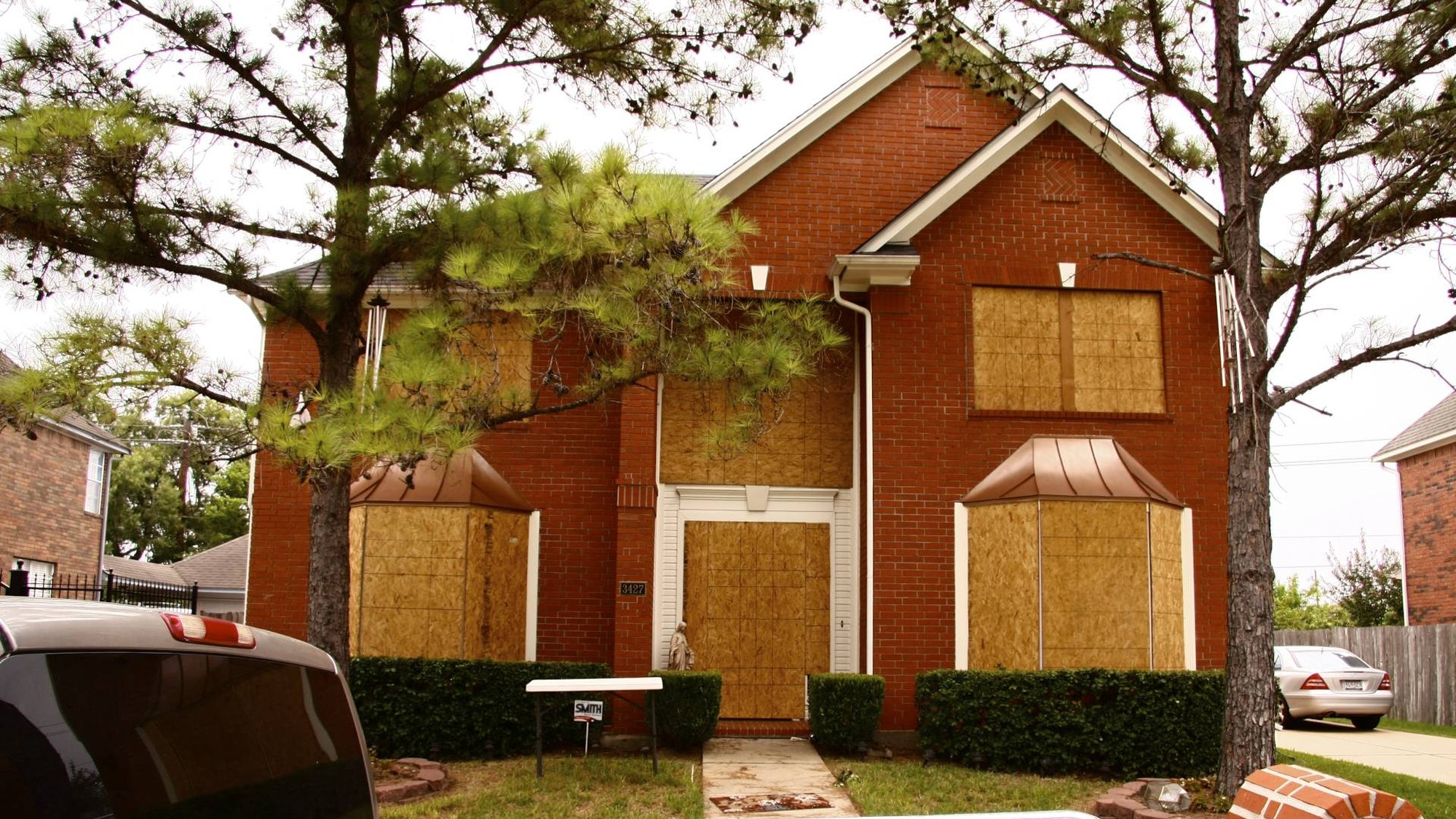
One of the harshest surprises in retirement lending arrives when a reverse-mortgage borrower dies and the surviving husband or wife discovers whether they can stay in the home. For years, spouses who were left off the loan were pushed out of houses they had lived in for decades. Federal rules now offer real protection, but that protection is conditional, and it turns almost entirely on how the paperwork was filled out when the loan closed.
How the Eligible Non-Borrowing Spouse rule keeps a widow or widower in place
A Home Equity Conversion Mortgage, the federally insured reverse mortgage most retirees use, normally becomes due and payable when the last borrower dies. To prevent that from evicting a spouse, the Department of Housing and Urban Development created the category of Eligible Non-Borrowing Spouse. When a spouse qualifies, the loan’s due-and-payable status is deferred, and the survivor can continue living in the home without repaying the balance for as long as the deferral conditions hold.
The protection is not automatic goodwill from the lender. It is a defined status with specific requirements, and a spouse who does not meet every one of them can still be asked to repay or leave. The rule rewards households that identified the spouse correctly at origination and penalizes those who treated the loan as a one-person transaction.
Free retirement updates: One number can cost or save hundreds a month in retirement. The free Retirement Shield newsletter surfaces the ones worth knowing. Sign up free.
The conditions that decide whether a spouse qualifies
For HECMs taken out on or after August 4, 2014, three conditions define an Eligible Non-Borrowing Spouse. The couple must have been legally married at the time the loan was made and remained married through the borrower’s lifetime. The spouse must have been disclosed to the lender and named as a non-borrowing spouse in the loan documents. And the spouse must have occupied the property as a principal residence when the loan closed and must continue to occupy it after the borrower’s death.
That middle requirement is where families are most often tripped up. A spouse who was never listed in the mortgage paperwork, perhaps because they were younger than the eligible age and their name was left off to increase the loan amount, does not gain eligible status later. The lender is not obligated to grant a deferral to a spouse the loan documents never acknowledged, which is why the phrase “listed on the loan correctly” is the entire ballgame.
What the surviving spouse must keep doing to hold the deferral
Qualifying is the beginning, not the end. During the deferral period, the surviving spouse must keep meeting the same obligations the borrower carried, including paying property taxes and homeowners insurance and maintaining the home. The spouse also has to establish an ownership interest or legal right to remain in the property, and recent HUD amendments eased that step by removing the earlier demand that the spouse establish marketable title within a fixed window. The survivor must certify each year that the conditions still hold.
Falling short breaks the deferral. If the spouse moves out, stops paying the property charges, or lets the annual certification lapse, the loan becomes due and payable again, and the home can head toward foreclosure. The deferral also stops any further loan disbursements, so a spouse who was counting on continued monthly draws from the reverse mortgage will not receive them once the borrower dies.
Why couples should check the loan documents now, not later
The cleanest time to secure this protection is before it is ever needed. Couples with a reverse mortgage, or considering one, can ask the lender directly whether both spouses are named and whether the non-borrowing spouse meets the eligible criteria. The Consumer Financial Protection Bureau encourages borrowers to understand exactly how the loan treats a surviving spouse before signing, since the terms are far easier to confirm at closing than to contest during grief.
Older loans written before the 2014 rules operate under separate provisions and may leave a spouse with weaker footing, which makes a review with the servicer or a HUD-approved housing counselor worthwhile for anyone unsure of when their loan was originated. The protection exists, and it is meaningful, but it belongs only to the spouses the documents recognized. A surviving husband or wife who was named correctly can remain in the home; one who was left off the paperwork has far fewer options once the borrower is gone.
This article was produced with AI assistance and reviewed by The Financial Wire editorial team.
More Financial Reading
- Bank statements: how long to keep them and when to toss them
- Adding someone to your bank account: tax traps and smart moves