When your homeowners insurance renewal arrives and the number has jumped by $800, something else in the family budget has to give. For millions of Americans, that something has been a vacation, a roof repair, or the savings account they were trying not to touch.
A Pew Research Center survey conducted March 16 to 22, 2026, found that 71% of U.S. homeowners say their insurance premiums have risen in recent years. Within that group, 42% said costs went up “a lot” and 29% said “a little.” Fifty-seven percent of those who experienced increases reported making at least one financial sacrifice to keep their coverage, including canceling vacations, skipping home repairs, and cutting other household spending.
The findings put hard numbers on something homeowners have been saying at kitchen tables for years: insuring their biggest asset now competes directly with the rest of the family budget.
Why premiums keep climbing
The cost pressures are structural, not a one-year blip. A Government Accountability Office report (GAO-26-107867) analyzed property-level premium estimates and insurer profitability data from 2019 through 2024. Nationally, inflation-adjusted homeowners insurance premiums roughly tracked overall inflation during that period, but that national average masks enormous state-level variation. In disaster-prone areas, premiums outpaced inflation by a wide margin, driven by heavier claim losses and surging insurer expenses.
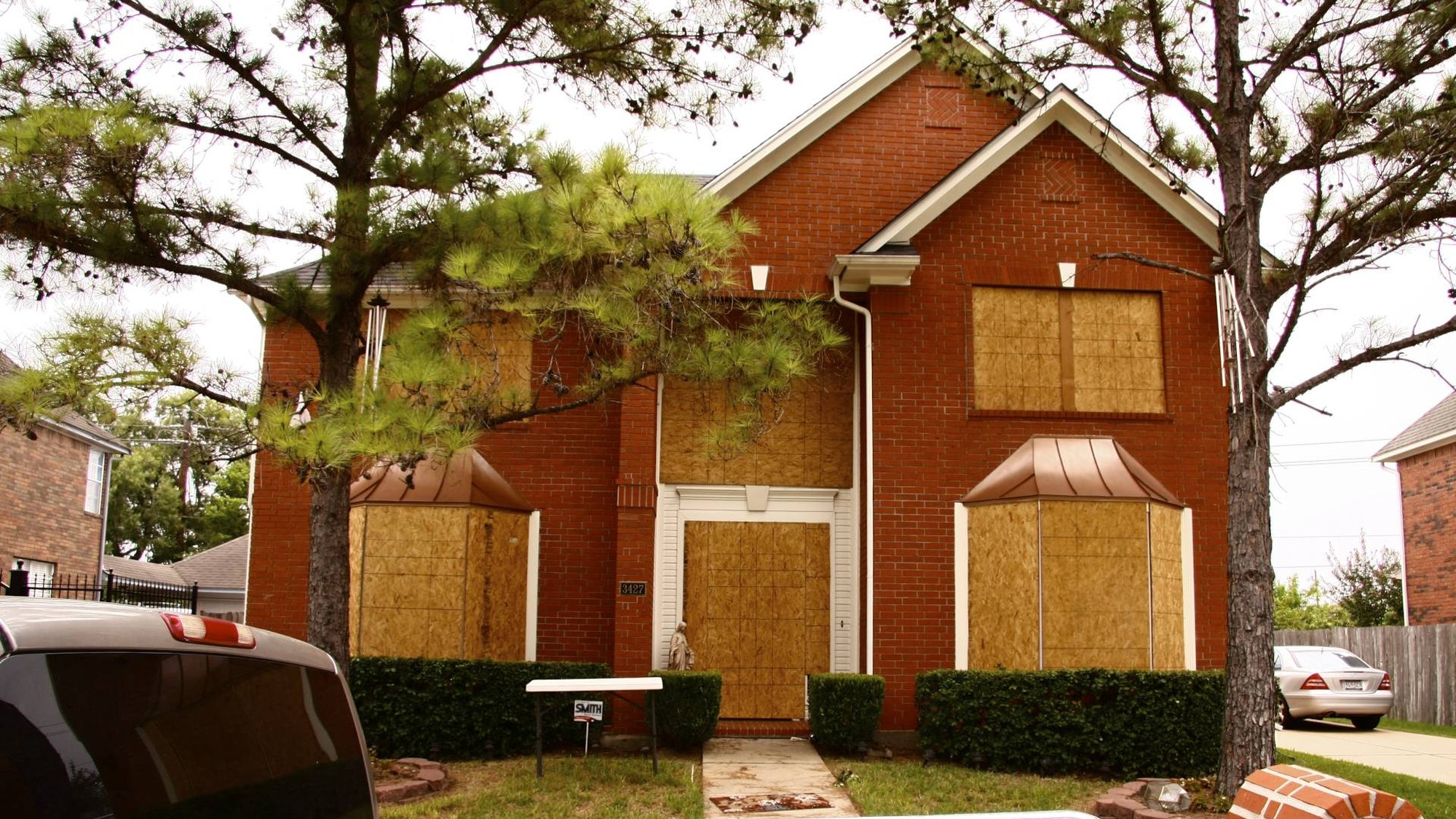
That gap between the national average and high-risk zones is the detail that makes the headline statistics misleading if read in isolation. A homeowner in a wildfire corridor in California, along the Gulf Coast in Florida or Louisiana, or in a flood-prone stretch of the Midwest may be seeing renewal increases that bear no resemblance to the moderate national trend.
The GAO’s summary of findings identifies several compounding forces: rising replacement costs for homes (materials and labor remain elevated post-pandemic), more expensive reinsurance (the backstop coverage that insurers themselves purchase), and growing concentrations of housing in high-risk areas. In some regions, insurers have responded not just by raising prices but by tightening underwriting standards or withdrawing from markets altogether. In California, the FAIR Plan, the state’s insurer of last resort, has seen its policy count surge as major carriers have scaled back. Florida’s Citizens Property Insurance Corporation has experienced a similar expansion.
The result: even where a policy is technically available, homeowners may face fewer carriers, narrower coverage, and higher deductibles than they had just a few years ago.
The sacrifices families are making
The Pew survey spells out what those premium increases cost beyond the check homeowners write. Among those who faced higher bills, the sacrifices ranged from postponing home maintenance to trimming groceries and discretionary spending to scrapping travel plans. The strain cuts across income levels, though lower-income homeowners reported feeling it more acutely.
Skipping home repairs to afford insurance creates a particularly damaging feedback loop. Deferred maintenance can lead to water damage, roof deterioration, or electrical problems that raise the likelihood of a future claim, which can push premiums even higher or make a home harder to insure at all. For homeowners already stretched thin, the short-term budget fix deepens the long-term cost problem.
Regional differences sharpen the picture. The Pew data includes geographic breakouts showing that homeowners in areas with higher disaster exposure were more likely to report steep increases. That tracks with the GAO’s finding that disaster-prone markets are pulling away from the national average. Neither source provides a county-by-county ranking, but the pattern is consistent: the places where insurance matters most are the places where it costs the most.
Washington is paying attention
Federal officials have signaled that the affordability crunch is serious enough to require coordinated action. On February 26, 2025, the U.S. Department of the Treasury convened a roundtable on homeowners insurance costs that brought together insurers, reinsurers, brokers, state regulators, consumer advocates, resilience experts, and academics. The discussion examined how climate-related risks, construction costs, and regulatory frameworks interact to shape both premiums and the availability of coverage.
The scope of that conversation signals that policymakers see the problem as bigger than pricing alone. When insurers pull back from entire markets or restrict what they will cover, the question shifts from “How much does insurance cost?” to “Can homeowners get meaningful coverage at all?” That distinction ripples outward: mortgage lenders require coverage, real estate values depend on insurability, and local tax bases rest on stable property assessments.
What the data does not yet show
There are real limits to the current evidence. The Pew findings are self-reported perceptions, not verified billing records. Homeowners may recall premium changes differently than what their actual renewal notices show, and the survey does not separate increases driven by broad market forces from those triggered by individual claims history, credit-based insurance scores, or coverage upgrades.
The GAO analysis also ends at 2024, leaving a gap for the most recent policy year. Whether the trends it documented have since accelerated, leveled off, or reversed is not addressed by available federal data. Homeowners renewing in 2025 and 2026 may be navigating a different cost environment than the one the GAO measured.
One question neither source fully answers is how many homeowners have dropped coverage entirely rather than absorb the increases. Anecdotal reporting and state-level data suggest the number of uninsured homes is growing, particularly in high-cost markets, but no comprehensive national count exists as of mid-2026. That gap matters: an uninsured homeowner who suffers a catastrophic loss faces financial ruin, and the downstream effects on neighbors, lenders, and local governments can be severe.
Practical moves before your next renewal
While federal policy discussions play out over months or years, homeowners facing steep renewals have options worth pursuing now.
Shop aggressively. Carriers reprice risk zones on different schedules. Getting quotes from at least three insurers, including regional mutuals and independent agents who represent multiple companies, can surface meaningful savings. The National Association of Insurance Commissioners maintains a consumer resources page with state-by-state tools.
Ask about mitigation credits. Many insurers offer discounts for storm-resistant upgrades: a new roof rated for high winds, impact-resistant windows, or a whole-house generator. Some states, including Florida and Alabama, have grant or rebate programs that help offset the upfront cost of those improvements.
Review your coverage, not just your premium. Raising your deductible from $1,000 to $2,500 can lower your annual premium noticeably, but only if you can absorb that higher out-of-pocket cost after a loss. Make sure your dwelling coverage reflects current rebuilding costs, not the purchase price of your home.
Check state-backed options if private carriers have left. FAIR plans, Citizens plans, and similar insurers of last resort exist in many states. These policies are typically more expensive and less comprehensive than private coverage, but they prevent the gap in insurance that could jeopardize a mortgage.
The clearest takeaway from the available data as of May 2026 is this: a large majority of homeowners are paying more for insurance, a meaningful share are making real sacrifices to afford it, and the burden falls hardest on the parts of the country most exposed to natural disasters. Until the market forces driving those increases change, or policy interventions gain traction, the pressure on household budgets is unlikely to ease.