The phone rings, and the caller ID shows your bank’s real 1-800 number. A polite voice says there has been suspicious activity on your account. Within minutes, you have followed their instructions to “secure” your funds, and thousands of dollars are gone. According to the FBI, this exact scenario is playing out across the country with alarming frequency, and the agency’s Internet Crime Complaint Center has issued multiple alerts warning that spoofed bank calls have become one of the most effective tools in a fraudster’s playbook.
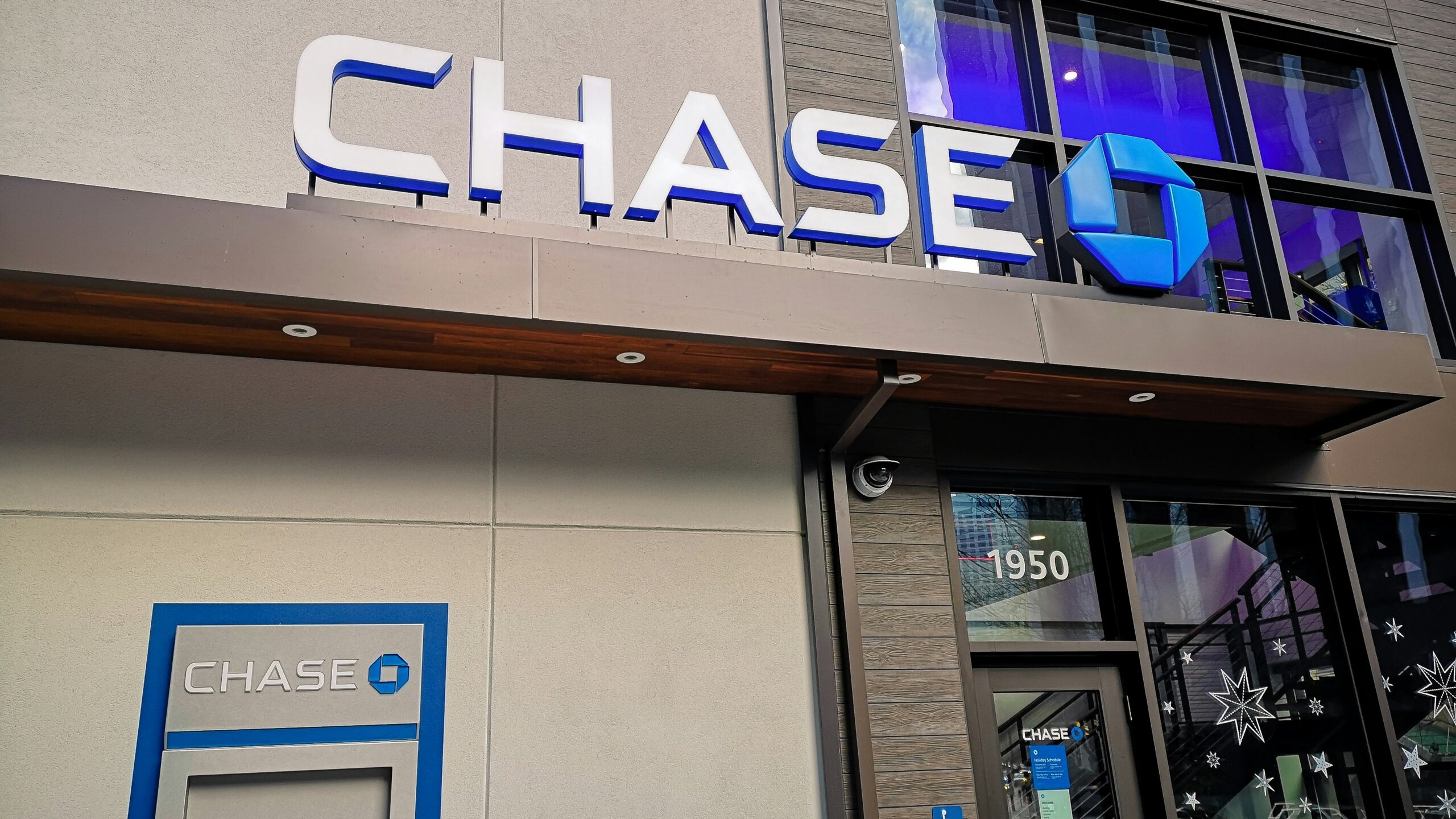
In one widely reported case, a Chase customer lost $40,000 after picking up a call that displayed Chase’s legitimate customer service number. The FBI has documented this precise method in multiple public advisories, and federal prosecutors have brought cases involving millions of dollars stolen through nearly identical tactics. The technology behind it is disturbingly simple, the calls are almost impossible to distinguish from legitimate ones, and the money often vanishes within seconds of being sent.
How the scam works, step by step
The IC3 described the playbook in a 2022 public service announcement. It typically starts with a text message designed to look like an automated fraud alert from the victim’s bank, asking them to confirm or deny a suspicious transaction. If the person responds, a phone call follows from what appears to be the bank’s real number. The caller, posing as a fraud specialist, instructs the victim to “reverse” the fake charge by sending money through Zelle, a wire transfer, or another instant payment method. Because these transfers settle in seconds, the funds land in the criminal’s account almost immediately, and clawing them back is extremely difficult.
A follow-up IC3 advisory in 2024 described a variation in which scammers convince victims to hand over physical debit cards or share login credentials, again using a spoofed caller ID as the opening move. That notice urged consumers to save any phone numbers and text messages connected to the contact, details that become critical evidence if a victim files a complaint.
The spoofing itself requires no special skill. Caller ID spoofing services are cheap and widely available online. The Federal Trade Commission addresses this directly in its consumer guidance on spoofing, stating plainly that the number displayed on your screen can be faked to show any number the caller wants. The FCC’s STIR/SHAKEN framework, which requires phone carriers to authenticate caller ID information, was designed to combat this, but enforcement gaps and calls routed through international networks mean spoofed numbers still reach American phones regularly.
Federal prosecutions confirm the scale
This is not a theoretical threat. In Pennsylvania, a coordinated ring of scammers impersonating bank employees stole nearly $2 million from customers by spoofing banks’ phone numbers, according to charging documents and a state attorney general announcement covered by the Associated Press. The operation involved multiple suspects working in defined roles: some made the calls, others managed the accounts receiving stolen funds. That structure mirrors organized fraud networks, not lone opportunists working out of a basement.
Isolating the national cost of spoofed bank calls specifically is difficult. The FBI’s IC3 groups spoofed-call losses into broader reporting categories like phishing and business email compromise in its annual reports. Those reports do not break out a standalone figure for caller ID spoofing paired with instant payments. But individual prosecuted cases already reach into the millions, and the FBI has made clear that the volume of complaints is rising.
What federal regulators are telling consumers
Multiple agencies have converged on the same core warning. The FDIC Office of Inspector General has stated that legitimate bank employees will never pressure a customer to move money into a “safe” account over the phone. The Consumer Financial Protection Bureau has said that banks and credit unions do not request account information through unsolicited calls, emails, or texts, and that any such request should be treated as a red flag. The FTC advises hanging up immediately and calling back using a number printed on your bank card or listed on the bank’s official website.
Every one of these agencies agrees: caller ID alone should never be treated as proof that a call is real.
Why getting your money back is so complicated
For victims, the most painful question is whether the bank will make them whole. Under Regulation E, which implements the Electronic Fund Transfer Act, banks are generally required to investigate and reimburse unauthorized electronic transfers. But the legal picture gets complicated when a customer is tricked into authorizing a payment, even under false pretenses. Banks participating in the Zelle network have historically argued that transactions the customer initiated do not qualify as “unauthorized” under the regulation, even when the customer was manipulated by a scammer.
The CFPB pushed back on that interpretation, issuing guidance in 2022 and 2023 clarifying that certain fraud-induced transactions should be treated as unauthorized. In response, Early Warning Services, the company that operates Zelle, announced in 2023 that participating banks would begin reimbursing victims of certain impersonation scams. Some banks have since expanded their policies, but as of June 2026, there is no uniform industry standard guaranteeing that victims of spoofed-call fraud will recover their losses. Chase has not released a public statement specifically addressing the spoofing tactic or describing countermeasures it has put in place, based on the federal and public source material reviewed for this article.
If your bank denies a reimbursement claim, you can file a complaint with the CFPB through its online complaint portal, which has historically prompted banks to re-examine disputed cases.
Five steps to protect yourself right now
1. Never trust caller ID. If someone calls claiming to be your bank, hang up. Then call the number on the back of your debit or credit card, or open your bank’s app directly to check for alerts.
2. Do not respond to unsolicited text “fraud alerts.” Banks may send legitimate notifications, but if a text asks you to reply, click a link, or call a number embedded in the message, treat it as suspicious. Go to your bank’s app or website on your own.
3. Recognize that urgency is a manipulation tactic. Scammers create panic by insisting you must act immediately to protect your account. A real bank will not penalize you for taking five minutes to verify a call through official channels.
4. Never send money to “reverse” a transaction. No legitimate bank process requires you to transfer funds to yourself, to another account, or to a third party to fix a fraud issue. If someone tells you otherwise, it is a scam.
5. Report immediately and preserve evidence. If you suspect you have been targeted, contact your bank through a verified number, file a complaint with the FBI’s IC3 at ic3.gov, and report the call to the FTC at reportfraud.ftc.gov. Save every text message, note every phone number involved, and write down exactly what the caller said while it is still fresh.
Your bank’s phone number on your screen means nothing
The documented evidence from the FBI, FTC, FDIC, and CFPB all points to the same uncomfortable reality: the phone number displayed on your caller ID has become worthless as a trust signal. Spoofing costs almost nothing, instant payment rails move money in seconds, and the gap between a convincing phone call and an emptied bank account can be measured in single-digit minutes. Federal law enforcement has confirmed the mechanics, prosecutors have secured charges in cases involving millions, and the complaints keep coming. The single most effective defense remains the simplest: hang up and call your bank yourself.