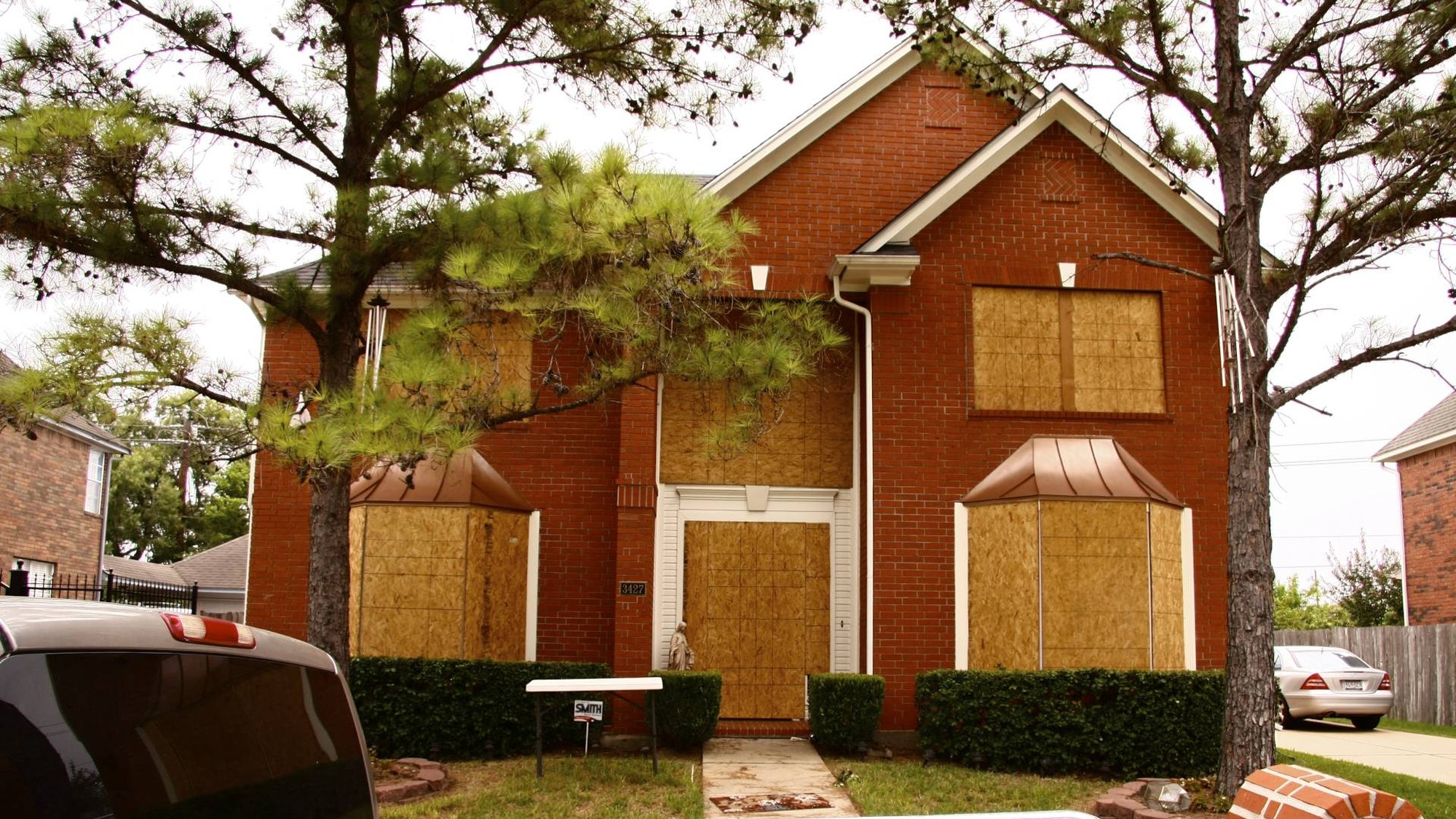
When Maria Delgado-Loss opened her renewal notice in April 2026, the number stopped her mid-step in the kitchen. Her homeowners premium in suburban Houston had jumped 38% in a single year, pushing the annual bill past $4,200. She and her husband sat at the table that night crossing items off a list: the family beach trip, the long-overdue gutter replacement, the kids’ summer camp deposit. “We kept the insurance and lost everything else,” she told a local housing counselor. The Delgados are a composite, but their arithmetic is common. A Pew Research Center survey published in May 2026 found that 71% of U.S. homeowners say their premiums have climbed over the past few years. Nearly half of that group, 42%, described the increase as going up “a lot.”
But the price tag alone does not capture the full weight of the shift. Among homeowners who reported higher costs, 57% said they had made real financial trade-offs to keep paying: canceling vacations, skipping home repairs, cutting back on groceries. Insurance, once a background line item, is now competing directly with the rest of the household budget.
The numbers behind the sticker shock
Pew’s national poll broke results down by income, region, and political affiliation, and the findings cut across nearly every demographic line. Lower-income homeowners reported feeling the squeeze most acutely, but even higher earners described meaningful budget shifts. The sacrifices were specific: some respondents said they had called off family vacations already in the planning stages. Others said they had postponed roof repairs or put off replacing aging HVAC systems because the insurance bill consumed money they had set aside for maintenance.
A separate federal analysis adds structural context. The Government Accountability Office, in a report cataloged as GAO-26-107867, examined inflation-adjusted premium trends from 2019 through 2024. Nationally, average homeowners insurance premiums roughly tracked overall inflation during that window. But in counties and states with high exposure to wildfires, hurricanes, and floods, premiums climbed well above the inflation baseline.
Florida stood out. By 2024, average annual homeowners premiums in the state exceeded $4,000, roughly triple the national average of about $1,700, driven largely by hurricane exposure and reinsurance costs. The GAO emphasized that results varied sharply by geography and risk profile: some disaster-prone areas saw moderate increases above inflation, while others experienced far steeper jumps. The report also flagged a less visible problem: the time state regulators can take to approve rate filings. Those delays sometimes cause sudden, jarring price spikes when approvals finally come through, leaving homeowners blindsided at renewal.
California’s enforcement crackdown on State Farm
California shows what happens when rising costs collide with insurer conduct that regulators consider unacceptable. The state’s Department of Insurance announced in 2026 that it had taken legal action against State Farm following an investigation into claims tied to the 2025 Eaton and Palisades wildfires. According to the enforcement filing, regulators allege significant delays in processing claims, improper denials, and underpayments that left wildfire survivors struggling to rebuild.
The department cited a recovery figure of more than $100 million that it believes affected policyholders are owed and pointed to proposed legislation designed to strengthen oversight and prevent similar breakdowns during future disasters.
These remain allegations, not findings of liability. No court has ruled on the merits, and the $100 million figure represents what the state believes is owed, not a final settlement or judgment. The referenced legislative proposals have not yet been enacted, and whether they pass, get amended, or stall in committee remains an open question as of June 2026. Still, the filing signals that California regulators saw enough evidence to act, and the case has become a flashpoint in the broader debate over insurer accountability in disaster zones.
Why the poll numbers deserve a closer look
The Pew data is powerful as a measure of lived experience, but it comes with built-in limitations worth understanding. The 71% figure reflects what homeowners perceive and report about their costs. A policyholder who renewed at a higher price may attribute the entire increase to the insurer when part of it actually stems from a higher home valuation, updated local building codes, or expanded coverage requirements. The survey does not distinguish among those drivers.
That does not make the number unreliable. It makes it a strong gauge of financial strain rather than a line-by-line actuarial breakdown. When more than half of affected homeowners say they are canceling trips or putting off roof repairs to afford coverage, the economic impact is real regardless of what is behind each individual premium change.
The GAO report, similarly, does not offer a single tidy national percentage by which disaster-area premiums exceeded inflation. Its value lies in geographic granularity, showing which types of counties and states are hit hardest and by how much. Any broad claim about “how much” premiums rose nationally should be treated with caution unless it is tied to a specific state, county, or risk category drawn directly from the GAO’s data.
What homeowners can do right now
None of the steps below solve the underlying problem of rising risk and rising costs. But for families already feeling the pinch, they can help soften the blow.
Shop aggressively at renewal time. Premium increases vary widely among carriers. Switching insurers remains one of the fastest ways to find a lower rate, and most state insurance departments maintain online comparison tools or consumer guides to help with the search.
Ask about mitigation discounts. Many insurers offer reduced rates for upgrades like impact-resistant roofing, brush clearance around the property, or updated electrical and plumbing systems. In wildfire- and hurricane-prone areas especially, the savings can offset a meaningful share of a premium increase.
Review your coverage for gaps and overlaps. A policy that fit five years ago may now include riders you no longer need or may be missing coverage for risks that have grown. An independent insurance agent or a state-sponsored counseling program can help identify adjustments that bring the bill down without leaving you exposed.
Know your state’s insurer of last resort. In states where private carriers have pulled back, state-backed FAIR plans exist to provide basic coverage. These policies tend to be more expensive and less comprehensive than standard coverage, but they can be a critical backstop for homeowners who cannot find a policy on the open market.
Rising premiums are reshaping how families budget for homeownership
The Pew survey, the GAO analysis, and California’s enforcement action point in the same direction: the homeowners insurance system is straining under the weight of escalating climate-driven losses, and the costs are landing squarely on household budgets. Premiums are rising fastest where wildfire, hurricane, and flood risks are most acute. Families are absorbing those increases by giving up things that matter to them. And regulators are testing how far existing rules can stretch to protect policyholders when insurers raise prices or, as California alleges, fail to pay claims fairly.
Where premiums go from here will depend on factors still in motion as of mid-2026: the severity of coming wildfire and hurricane seasons, the pace of state-level regulatory reform, and whether federal lawmakers step in with broader backstops. For now, the documented trend is clear. Keeping a home insured is getting harder across much of the country, and millions of families are rearranging their financial lives around that reality.