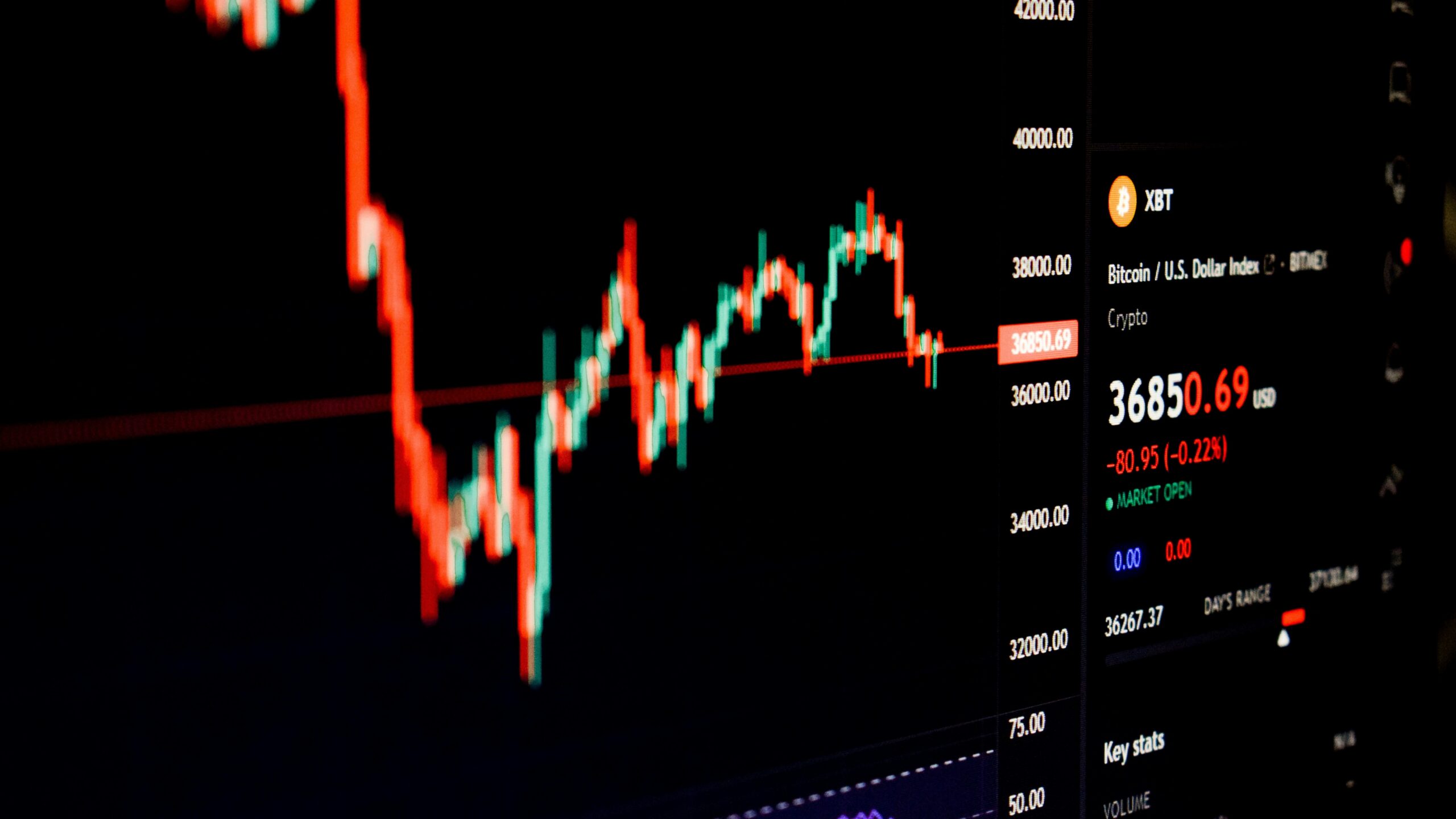
Wall Street did not wait for Kevin Warsh to take the oath. On May 15, 2026, the day Jerome Powell’s four-year term as Federal Reserve chairman formally expired, the Dow Jones Industrial Average fell 537 points, the S&P 500 dropped nearly 93 points, and the 10-year Treasury yield climbed to 4.5 percent. The dollar index firmed and gold prices ticked higher as investors moved into traditional havens. The man the Senate had confirmed just two days earlier to lead the world’s most powerful central bank arrived to a market already repricing risk around his arrival, before he had uttered a single public word in his new role.
Confirmed but not yet sworn in
The Senate voted 54-45 along party lines on May 13, 2026, to confirm Warsh as the 17th chair of the Federal Reserve. But because he had not completed the swearing-in ceremony by the time Powell’s term ended at the close of business on May 15, the Federal Reserve Board designated Powell as chair pro tempore, keeping him in the seat on a temporary basis until Warsh takes the oath.
The arrangement is unusual. The last time the Fed navigated a chair transition was in February 2018, when Powell himself succeeded Janet Yellen. That handoff was seamless: Powell was sworn in the same day Yellen’s term ended. This time, the gap between confirmation and oath has created an explicit interim window, leaving the central bank with a lame-duck leader and a confirmed successor who holds no formal authority yet. The Fed’s press release did not specify when Warsh would be sworn in.
Warsh, 55, is a former Morgan Stanley investment banker who served on the Bush administration’s National Economic Council before being appointed to the Fed’s Board of Governors in 2006. He served until 2011, a tenure that spanned the worst of the financial crisis, and spent the years since as a fellow at Stanford’s Hoover Institution, where he built a reputation as one of the Fed’s sharpest outside critics.
The numbers behind the selloff
The Dow closed at roughly 49,526, down 1.1 percent, according to figures widely reported by financial data services. The S&P 500 finished near 7,409, off 1.2 percent. The Nasdaq Composite took the steepest hit, falling about 410 points, or 1.5 percent, to around 26,225.
On the bond side, the 10-year Treasury yield reached 4.5 percent, a level confirmed by the St. Louis Fed’s DGS10 daily series. That benchmark matters well beyond trading desks. The 10-year yield is the reference rate for 30-year fixed mortgages, corporate bond pricing, and auto loan rates. At 4.5 percent, a borrower taking out a $400,000 mortgage pays meaningfully more each month than when the yield hovered near 4.0 percent late last year. For companies rolling over debt, the higher yield translates directly into larger interest expenses at a time when the federal funds rate target range stands at 4.25 to 4.50 percent, well above the levels that prevailed through most of the post-pandemic easing cycle.
Why the cause is not settled
Warsh has not delivered a public statement since his confirmation. The Federal Reserve has issued no commentary connecting the market drop to the leadership change. Markets on any given day respond to overlapping forces: economic data, corporate earnings, geopolitical developments, and shifts in fiscal policy expectations.
Still, the timing is hard to dismiss. Bond traders and equity investors are forward-looking, and Warsh arrives with a well-documented set of views that differ from Powell’s approach. In a widely cited 2016 Wall Street Journal op-ed and in writings published through the Hoover Institution, Warsh argued that the Fed’s post-crisis balance sheet expansion had become “the new monetary orthodoxy” and called for a more rules-based framework for setting interest rates. He has also advocated for faster balance sheet reduction, a position that, if acted on, could push long-term yields higher by increasing the supply of Treasuries the private market must absorb.
That kind of anticipatory repricing is common during leadership transitions. When Powell was nominated in late 2017, bond yields drifted higher in the weeks before his swearing-in as traders recalibrated expectations around a chair they viewed as slightly more hawkish than Yellen. The difference now is that Warsh represents a more pronounced philosophical departure from his predecessor than Powell did from his.
The independence question lingers
Warsh’s confirmation hearings surfaced pointed questions about whether the new chair would face pressure to coordinate rate decisions with the White House. Those concerns are not new. Throughout 2025 and into early 2026, reporting from the Associated Press and Reuters documented friction between the administration and the outgoing Fed leadership over the pace of rate cuts.
Warsh has not publicly addressed the independence question since his confirmation vote, leaving investors to weigh his track record. During his earlier stint as a Fed governor, Warsh was seen as an institutionalist who valued the central bank’s credibility, even as he dissented from some of the board’s more aggressive crisis-era interventions. The gap between that reputation and the political dynamics surrounding his nomination is part of what makes the current moment so uncertain. Markets are not just reacting to a new name on the door. They are trying to gauge whether the Fed’s decision-making process itself is about to change.
What the June FOMC meeting will test
The next scheduled Federal Open Market Committee meeting falls in June 2026. If Warsh is sworn in before then, it will be his first opportunity to chair a rate-setting session and, more importantly, to deliver the kind of post-meeting press conference that sets the tone for his tenure.
Until that happens, three things will shape the narrative. The swearing-in date itself matters: every day the interim arrangement persists adds a layer of procedural ambiguity that markets dislike. Any public remarks Warsh makes before the meeting, whether a formal speech, a written statement, or even informal comments reported by Fed-beat journalists, will be parsed for clues about his priorities. And the trajectory of the 10-year yield will serve as a real-time verdict. If it continues climbing past 4.5 percent, the pressure on mortgage rates and corporate borrowing costs will intensify, and the political spotlight on the new chair will grow brighter.
The confirmed facts, for now, are narrow but significant. U.S. stocks fell sharply and long-term borrowing costs rose on the day the Fed entered a formal leadership transition. The new chair is confirmed but not yet sworn in. And the central bank, for the first time in eight years, is operating in a gap between one era and the next, with markets making clear they are not willing to wait patiently for the new one to begin.