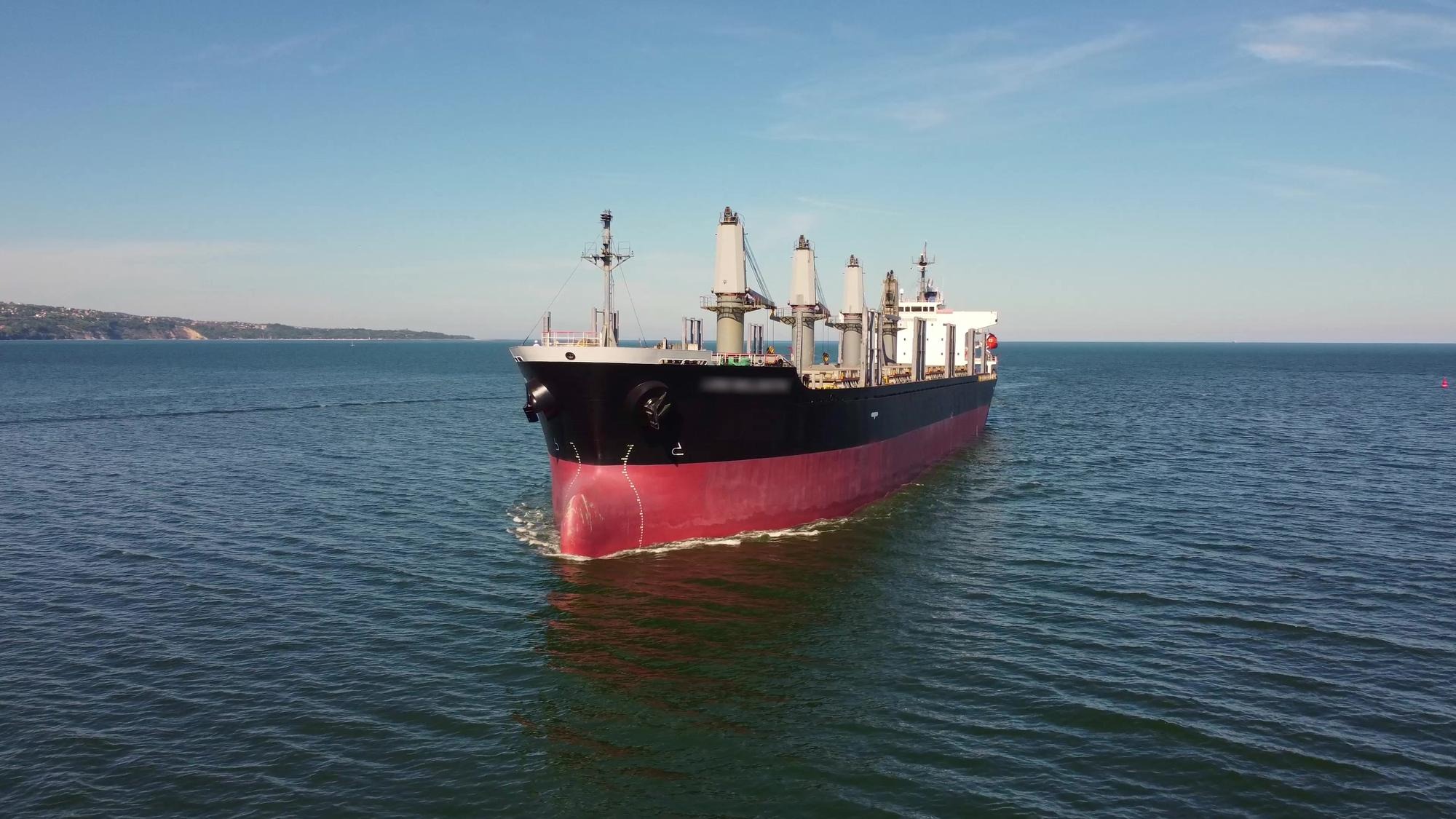
When Iranian officials floated the idea of charging tolls on ships passing through the Strait of Hormuz in early 2025, the backlash was immediate. Trading partners called it a provocation. Maritime lawyers called it illegal. But the proposal did something Tehran may have intended all along: it established a principle. If Iran can assert the right to charge for surface transit through the narrow waterway between its coast and Oman, the fiber-optic cables resting on the seabed below those tankers become a logical next target.
By mid-2026, that logic appears to be taking shape. No formal fee demand has been issued to any cable operator, and no schedule of charges has been published. But analysts and regional security observers say Tehran has begun folding submarine cable infrastructure into its broader Hormuz leverage strategy. The basis for that assessment is not a single leaked document or official decree. Rather, it rests on a pattern: Iranian state media commentary in late 2025 and early 2026 that explicitly linked “seabed resources and infrastructure” to national sovereignty claims in the strait, paired with new regulatory language in Iran’s Maritime and Ports Organization filings that expanded the definition of “transit-related activities” subject to oversight. Taken together, these signals suggest cable fees are moving from geographic logic to policy groundwork, even if the formal demand has not yet arrived.
From oil chokepoint to data chokepoint
The Strait of Hormuz is best known for oil. Roughly one-fifth of the world’s petroleum supply passes through it daily, according to the U.S. Energy Information Administration. But the strait also serves as a corridor for multiple submarine cable systems that form part of the internet’s physical backbone.
Among the most significant are the Fiber-Optic Link Around the Globe (FLAG) system, the India-Middle East-Western Europe (IMEWE) cable, and the Asia-Africa-Europe-1 (AAE-1) network. These lines connect financial centers in Mumbai, Dubai, and London, and carry data for hundreds of millions of users. According to TeleGeography’s submarine cable map, more than a dozen major cable systems traverse the Persian Gulf or pass near Iranian territorial waters on their way to landing stations in the region.
The vulnerability of these systems is not theoretical. In early 2024, at least three submarine cables in the Red Sea were damaged in incidents linked to Houthi attacks on commercial shipping, disrupting internet service for millions of users across East Africa and the Middle East. Those cuts demonstrated how quickly a regional conflict can cascade into a global communications problem.
The toll proposal and its legal limits
Iran’s shipping-toll concept drew sharp criticism from maritime-law experts and governments alike. The Associated Press reported that the proposal was widely viewed as a breach of established trade norms. Under Part III of the United Nations Convention on the Law of the Sea (UNCLOS), ships and aircraft enjoy “transit passage” through international straits. Coastal states can regulate safety and pollution, but they cannot suspend passage or condition it on payment.
Iran has not formally withdrawn from that framework. Instead, it is probing its boundaries. The toll concept, even if never collected, forces other governments to respond and creates bargaining chips that Tehran can trade in broader negotiations over sanctions, nuclear diplomacy, or regional security.
Applying the same approach to submarine cables enters murkier legal territory. UNCLOS gives coastal states sovereignty over the seabed within their territorial waters, but separate provisions protect the right to lay and maintain cables on the continental shelf. Iran could frame any fee as an environmental levy or a licensing requirement tied to seabed use. Maritime lawyers consulted by industry groups have generally argued that such charges would amount to impeding passage and would violate the convention. But UNCLOS disputes move slowly through international tribunals, and Iran has shown a willingness to operate in legal gray zones while the process plays out.
Why cables are harder to squeeze than tankers
Collecting a toll from a cargo ship is mechanically straightforward. Deny pilotage, delay port clearance, or physically narrow the channel. Extracting fees from a submarine cable consortium is a different problem.
Cable operators do not “pass through” the way a vessel does. Their infrastructure is laid once, maintained periodically by specialized ships, and operated remotely from landing stations that may be hundreds of miles from the strait. Iran could, in theory, slow-walk repair permits, obstruct maintenance vessels, or threaten physical interference with the cables themselves. But each of those steps would cross a line that the international community has historically treated as a serious provocation. Disrupting undersea cables can knock out civilian communications, financial transactions, and emergency services across dozens of countries at once.
Rerouting is possible but expensive and slow. Alternative paths around the Arabian Peninsula or through overland connections in Egypt and Turkey exist, and some redundancy is already built into global cable architecture. But surveying, permitting, and constructing a single long-haul submarine cable system takes years and can cost hundreds of millions of dollars. For the operators and governments that depend on Hormuz-area cables today, the choice is uncomfortable: invest heavily in contingency routes that may never be needed, or accept the risk of sudden disruption if Tehran escalates.
The precedent problem
Iran is not the only country that sits astride critical cable routes. Egypt controls the Suez Canal corridor, through which more than a dozen major submarine systems pass. Indonesia and Malaysia flank the Strait of Malacca, another bottleneck for both shipping and data. If Iran successfully establishes a precedent for charging fees on undersea cables, other nations with similar geographic advantages could follow suit.
That prospect is what elevates the Hormuz cable question from a regional dispute to a global infrastructure concern. The internet’s physical backbone is surprisingly concentrated in a handful of narrow waterways and coastal landing points. Any government that normalizes tolling or licensing at one chokepoint weakens the legal protections that keep data flowing freely through all of them.
The United States and its Gulf allies have not publicly detailed how they would respond to Iranian cable fees specifically, though Washington has repeatedly warned against any interference with freedom of navigation in the strait. NATO has also increased its focus on undersea cable protection in recent years, establishing a dedicated coordination center in 2023 after a series of suspected sabotage incidents in the Baltic Sea and North Sea.
What the Hormuz cable signals mean for global internet routing
As of June 2026, the most accurate summary is this: Iran has put shipping tolls on the table and is signaling, through the same geographic and legal arguments, that cable fees could follow. No formal demand has been made to any known cable operator. No fee schedule has been published. But the strategic intent is visible.
The companies that own and operate these cable systems, along with the governments and billions of internet users whose data crosses the Persian Gulf, are watching Tehran’s next moves closely. The Strait of Hormuz has long been understood as a place where energy markets can be held hostage. The realization now settling in is that the same geography gives Iran potential leverage over something even harder to replace on short notice: the physical wiring of the global internet.