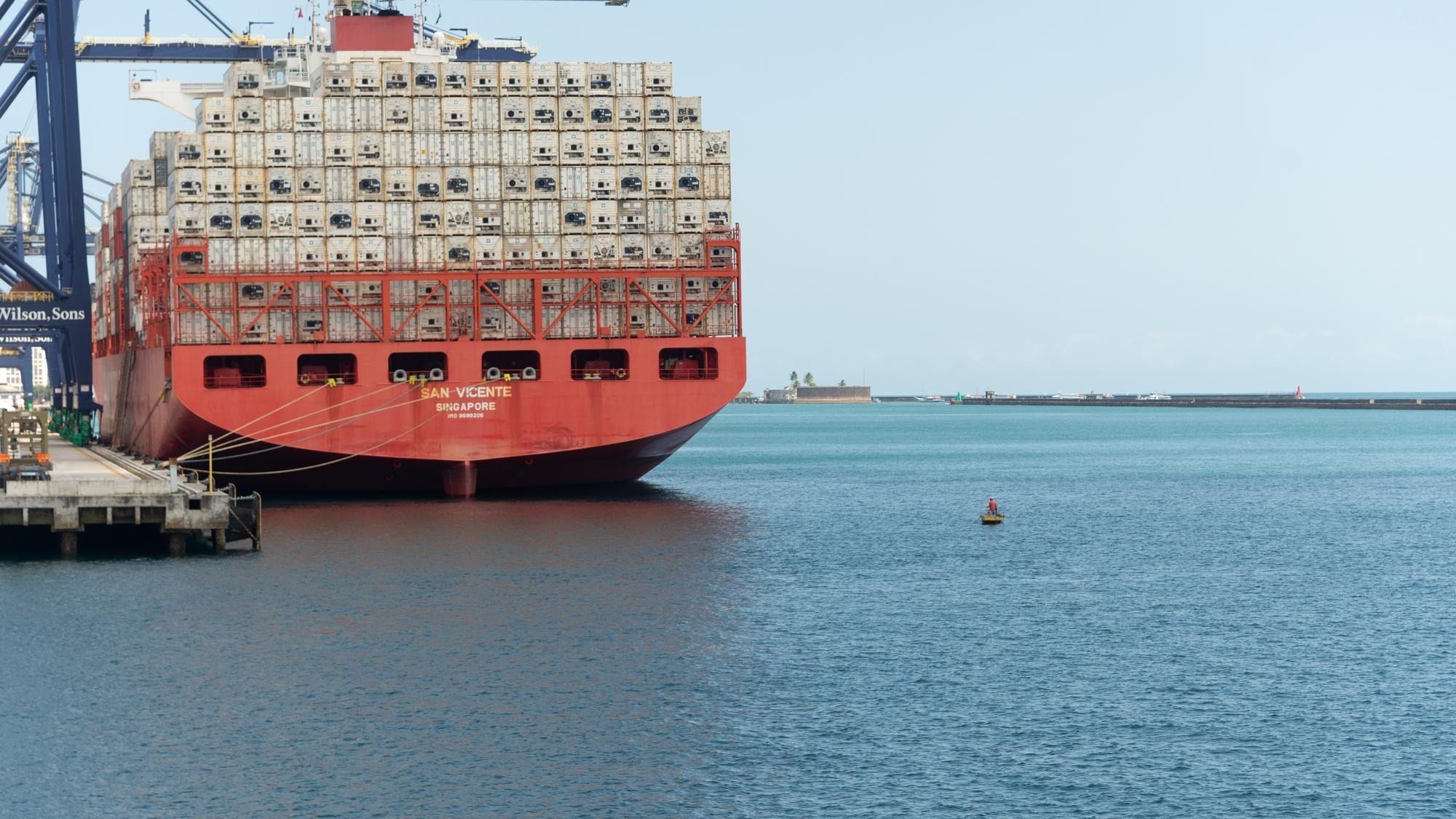
Every container clearing U.S. customs right now carries a 10% surcharge that two federal courts have said the president had no legal authority to impose. The Court of International Trade ruled 2-1 against President Donald Trump’s global tariff in late May 2026, the second judicial rebuke of the administration’s trade powers in roughly ten days. Yet the duty is still being collected. Within hours of the CIT decision, the U.S. Court of Appeals for the Federal Circuit granted the government an emergency stay, freezing the lower court’s order while the appeal proceeds. For the thousands of companies that import raw materials, components, and finished goods into the United States, nothing has changed at the port: the surcharge keeps adding cost, and no one knows when, or whether, it will stop.
How the tariff got here
The surcharge traces to a presidential proclamation issued on February 20, 2026. It invokes Section 122 of the Trade Act of 1974 (19 U.S.C. § 2132), a Cold War-era provision that allows the president to impose a temporary import surcharge of up to 15% to address what the statute calls “fundamental international payments problems.” The White House used exactly that language, tying the duty to persistent U.S. balance-of-payments deficits.
The administration turned to Section 122 after the Supreme Court, in a separate case earlier in May 2026, blocked the White House from using the International Emergency Economic Powers Act (IEEPA) as a basis for broad import duties. The details of that ruling, including the full case name and opinion, had not been published in final form as of early June 2026, but the Associated Press reported that the decision forced the administration to find alternative statutory authority. With IEEPA off the table, the U.S. Trade Representative listed the replacement proclamation among its official presidential tariff actions, and the 10% surcharge took effect almost immediately.
One detail that has received little public attention: Section 122 includes a built-in time limit. A surcharge imposed without congressional approval can last no longer than 150 days. Counting from the February 20 proclamation, that clock runs out around July 20, 2026. The administration has argued that the proclamation’s language satisfies the statute’s requirements, but the tight deadline adds urgency to the legal fight and raises a question the courts have not yet addressed: what happens if the appeal outlasts the surcharge’s own statutory shelf life?
Two courts, two losses, one stay
Opponents of the tariff challenged it at the Court of International Trade, the specialized federal court in New York that handles trade and customs disputes. In a 2-1 decision issued in late May 2026, the majority concluded that the administration stretched Section 122 well beyond what Congress intended. According to reporting by the Associated Press, the judges found that a global, across-the-board surcharge was inconsistent with the narrower, temporary remedy the 1974 law envisions. One judge dissented, though the full reasoning of the dissent has not yet appeared in publicly available court filings.
That CIT decision landed roughly ten days after the Supreme Court blocked the IEEPA tariff framework, making it the second time in quick succession that a federal court rejected a Trump administration trade measure. The practical effect, however, was short-lived. The Federal Circuit granted the government’s emergency motion for a stay, suspending the CIT’s order while the appeal proceeds. With the stay in place, Customs and Border Protection continues to assess the 10% duty at every port of entry. Without it, the agency would have been required to halt collections, and importers could have begun filing for refunds on duties already paid.
What it means for importers right now
The stay puts businesses in a painful holding pattern. The surcharge applies to virtually every category of imported goods, from industrial metals and auto parts to consumer electronics and apparel. Because the 10% is layered on top of existing duties, the stacking effect can be severe. Chinese-origin steel, for example, already faces a 25% tariff under Section 232 and, depending on the product, additional duties under Section 301. Add the 10% surcharge, and the combined rate can exceed 60%. Even goods from countries with no prior special tariffs now carry a baseline cost increase that ripples through supply chains.
Large-volume importers are accruing what their legal teams describe as significant contingent liabilities. If the surcharge is ultimately struck down, those companies would be entitled to refunds, but only if they have filed timely protests or preserved their administrative claims with Customs and Border Protection. As of early June 2026, CBP has not published guidance clarifying the protest or refund process for Section 122 duties, leaving compliance teams to navigate the uncertainty largely on their own.
The tariff is already reshaping purchasing decisions. Some firms are delaying non-urgent shipments, betting that the Federal Circuit will rule before the 150-day window closes. Others are renegotiating supplier contracts to pass the surcharge through to buyers or shifting sourcing to domestic producers where alternatives exist. Retailers operating on thin margins say the added cost is forcing hard choices about which product lines to keep on shelves and which to cut.
What the courts still have to decide
The Federal Circuit has not yet set a briefing schedule for the merits of the appeal, and trade litigation at this level can stretch for months. Several unresolved questions will shape the outcome:
- Does a global surcharge fit Section 122? The statute was written to address specific balance-of-payments crises, not to serve as a general-purpose tariff tool. The CIT majority said no; the dissenting judge apparently disagreed. How the Federal Circuit reads the legislative history could determine whether any president can use Section 122 this way in the future.
- Did the White House meet the factual threshold? Section 122 requires a finding of “fundamental international payments problems.” The proclamation asserts that such problems exist, but the underlying economic analyses and interagency memoranda have not been made public. If the court demands a more rigorous evidentiary showing, the administration may struggle to defend the record it has built.
- What happens when the 150-day clock expires? If the statutory time limit runs out before the appeal is resolved, the legal question could become moot. The government might argue that the stay tolls the clock, or it could issue a new proclamation to reset it. Neither path is guaranteed to survive judicial scrutiny.
- Will Congress act first? Several lawmakers have introduced bills that would either codify the surcharge legislatively or strip the president of Section 122 authority altogether. If any of those measures advances before the Federal Circuit rules, the legal landscape could shift beneath the court’s feet.
A loss at the Federal Circuit would almost certainly send the case back to the Supreme Court, which has already shown willingness to limit executive tariff authority. A win for the administration would validate a reading of Section 122 that legal commentators have called unprecedented, potentially opening the door for future presidents to impose broad import surcharges with minimal congressional oversight.
A surcharge sustained by a stay, not a verdict
As of early June 2026, the 10% surcharge remains in effect not because a court has upheld it on the merits, but because the Federal Circuit pressed pause on the ruling that would have killed it. Importers are paying it. Consumers are absorbing some of it in higher prices. And the legal fight that will determine whether the president can unilaterally tax nearly all U.S. imports is still in its early stages. The tension between the administration’s expansive view of presidential trade authority and the judiciary’s narrower reading has become the defining contest of American trade policy this year. Until the Federal Circuit rules, and possibly until the Supreme Court weighs in a second time, that tension will hang over every shipment crossing the border.