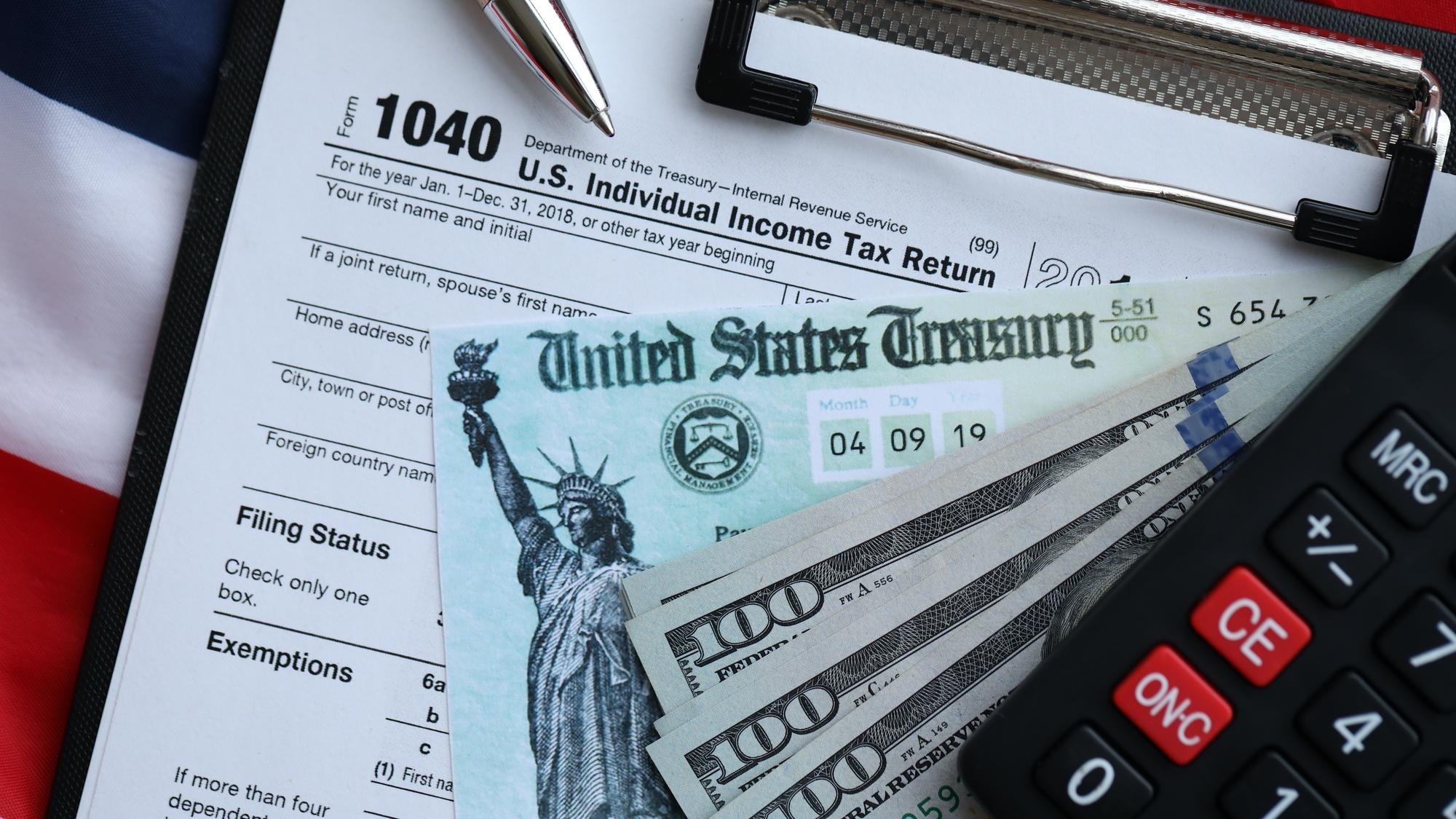
Millions of Americans who filed their 2025 federal tax returns expecting a paper refund check are waiting for money that will never show up in their mailbox. Starting October 1, 2025, the IRS stopped issuing most paper refund checks to individual taxpayers. If you filed without valid direct deposit information, your refund is not lost, but it is frozen. The IRS will hold it until you log in to an IRS online account and provide a working bank routing and account number. For filers still navigating the 2026 filing season, the change has already triggered confusion, delays, and genuine financial hardship.
Why the IRS made the switch
This was not the IRS acting alone. A presidential executive order directed federal agencies to modernize how the government sends and receives payments. The Bureau of the Fiscal Service, which handles disbursements for the entire federal government, set September 30, 2025, as the cutoff for most paper checks across agencies. Tax refunds, Social Security payments, and federal contractor payments all fall under the same mandate.
The IRS says the shift improves security, reduces costs, and speeds delivery. Paper checks have become a growing target for mail theft, with criminals intercepting Treasury checks, altering them, and cashing them before the intended recipient even knows the payment was sent. Electronic deposits eliminate that vulnerability. For taxpayers who e-file with correct bank details, refunds typically arrive within 21 days, according to the IRS. Paper-filed returns with direct deposit generally take longer to process. Paper checks, by comparison, used to take six to eight weeks.
What happens if you file without direct deposit
Here is the part catching filers off guard: if you submit a return with missing, invalid, or rejected bank account information, the IRS no longer cuts a paper check as a fallback. Instead, the agency freezes your refund and mails a letter called Notice CP53E.
That notice instructs you to:
- Log in to your IRS Online Account at IRS.gov, or create one if you have never used it.
- Verify your identity through the agency’s ID.me process, which may require a government-issued photo ID and a selfie taken on a smartphone or webcam.
- Enter a valid bank routing number and account number so the IRS can deposit your refund electronically.
Until you complete those steps, your refund sits in limbo. The IRS has not published data on how many CP53E notices have been sent during the current filing season or how long the average resolution takes. However, the Taxpayer Advocate Service (TAS) warned in early 2026 that the CP53E process can “significantly delay” payments for filers who are unfamiliar with IRS online tools or who struggle with digital identity verification. TAS has not published a dedicated report on the CP53E issue, and no direct link to a TAS blog post or annual report entry on this specific warning is currently available.
Exceptions and hardship waivers
The IRS has not publicly announced a formal exception or hardship waiver process that would allow individual taxpayers to request a paper refund check in place of an electronic deposit. However, taxpayers who are experiencing financial hardship because of a frozen refund can contact the Taxpayer Advocate Service (1-877-777-4778) to request assistance. TAS has the authority to intervene on behalf of taxpayers facing significant hardship, and in some cases may be able to help expedite the resolution of a held refund. If you believe you qualify for hardship consideration, reaching out to TAS as early as possible is advisable.
Who is most affected
The policy lands hardest on people who do not have a bank account at all. According to the FDIC’s 2023 National Survey of Unbanked and Underbanked Households, the most recent data available, roughly 4.5% of U.S. households (about 5.6 million) had no checking or savings account. That rate is significantly higher among low-income households, Black and Hispanic households, and people living in rural areas with fewer bank branches.
For unbanked filers, the IRS guidance sounds straightforward: open a bank account. The agency points to the FDIC’s Bank On program, which certifies low-cost accounts with no minimum balance and no overdraft fees at participating banks and credit unions. But opening an account takes time, requires documentation, and some applicants face denials due to past banking history flagged through ChexSystems or similar screening services.
Older taxpayers, people without reliable internet access, and filers who depend on in-person tax preparation through programs like VITA (Volunteer Income Tax Assistance) face steep hurdles too. The IRS’s online identity verification process requires a smartphone or computer, a valid email address, and comfort uploading personal documents. For someone who has always handed a paper return to a preparer and waited for a check in the mail, the learning curve is not trivial.
Prepaid debit cards as a workaround
One option that deserves more attention: taxpayers without a traditional bank account can often receive their refund on a prepaid debit card, as long as the card is associated with a routing and account number that accepts direct deposits. Some tax preparation services offer this as a built-in feature, and certain prepaid cards carry Bank On certification, meaning they meet standards for low fees and consumer protections.
This is not a perfect solution. Prepaid cards sometimes carry fees for loading funds, checking balances, or withdrawing cash at ATMs, and fee structures vary widely between products. But for filers who cannot or do not want to open a traditional bank account right now, a prepaid card with direct deposit capability may be the fastest path to unlocking a frozen refund.
It is also worth noting that the Treasury’s Direct Express card, already used to deliver Social Security and other federal benefit payments to recipients without bank accounts, could serve as another avenue. Filers who already receive federal benefits on a Direct Express card should confirm whether that card’s routing and account number can be used for tax refund deposits.
State refunds are not affected
The federal paper check phaseout applies only to payments issued by the U.S. Treasury. State tax refunds are handled by individual state revenue departments, and most states still offer paper checks as an option. If you are expecting a state refund, check your state’s tax agency website for its specific payment policies.
Steps to take before you file
If you have not yet filed your 2025 federal return, or if you expect to file an amended return, take these steps now to avoid a frozen refund:
- Confirm your bank account details. Double-check your routing number and account number before entering them on your return. Transposed digits are one of the most common causes of rejected direct deposits.
- Set up or update your IRS Online Account. Go to IRS.gov/account and make sure you can log in. If you have never created an account, do it before you file so you are not scrambling after a CP53E notice arrives.
- Open a bank account if you do not have one. Look for a Bank On-certified account at a local bank or credit union. These accounts are designed for people who have been shut out of traditional banking and typically have no monthly fees or minimum balance requirements.
- Consider a prepaid debit card with direct deposit capability. If opening a bank account is not feasible right now, a prepaid card with a routing number can serve as a temporary solution. Compare fee schedules before choosing one.
- Use IRS Free File if your income qualifies. The IRS Free File program offers guided tax software at no cost for filers with adjusted gross income of $84,000 or less. These tools walk you through entering direct deposit information correctly and flag common errors.
- Watch for scams. The IRS will never call, email, or text you to ask for your bank account number or password. Anyone who contacts you claiming to be from the IRS or Treasury and requests financial information is running a scam.
How to get help if your refund is already on hold
If you have already filed and received a CP53E notice, follow the instructions in the letter to update your banking information through your IRS Online Account. If you cannot complete the process online, call the IRS directly at the phone number listed on your notice. Wait times can be long, especially during peak filing season, but the Taxpayer Advocate Service (1-877-777-4778) may be able to intervene if you are experiencing financial hardship because of the delay.
VITA sites and Tax Counseling for the Elderly (TCE) locations can also help you navigate the online account setup process in person. Availability varies by location, and demand has been high this filing season, so call ahead to confirm hours and appointment availability.
Your refund will not arrive until you update your bank details
Paper refund checks from the IRS are effectively gone for most individual filers as of the 2026 filing season. There is no automatic workaround and no sign the policy will be reversed. If you filed without direct deposit information, your refund is waiting, but it will not move until you provide the IRS with a valid account. The sooner you update your information, the sooner your money reaches you.