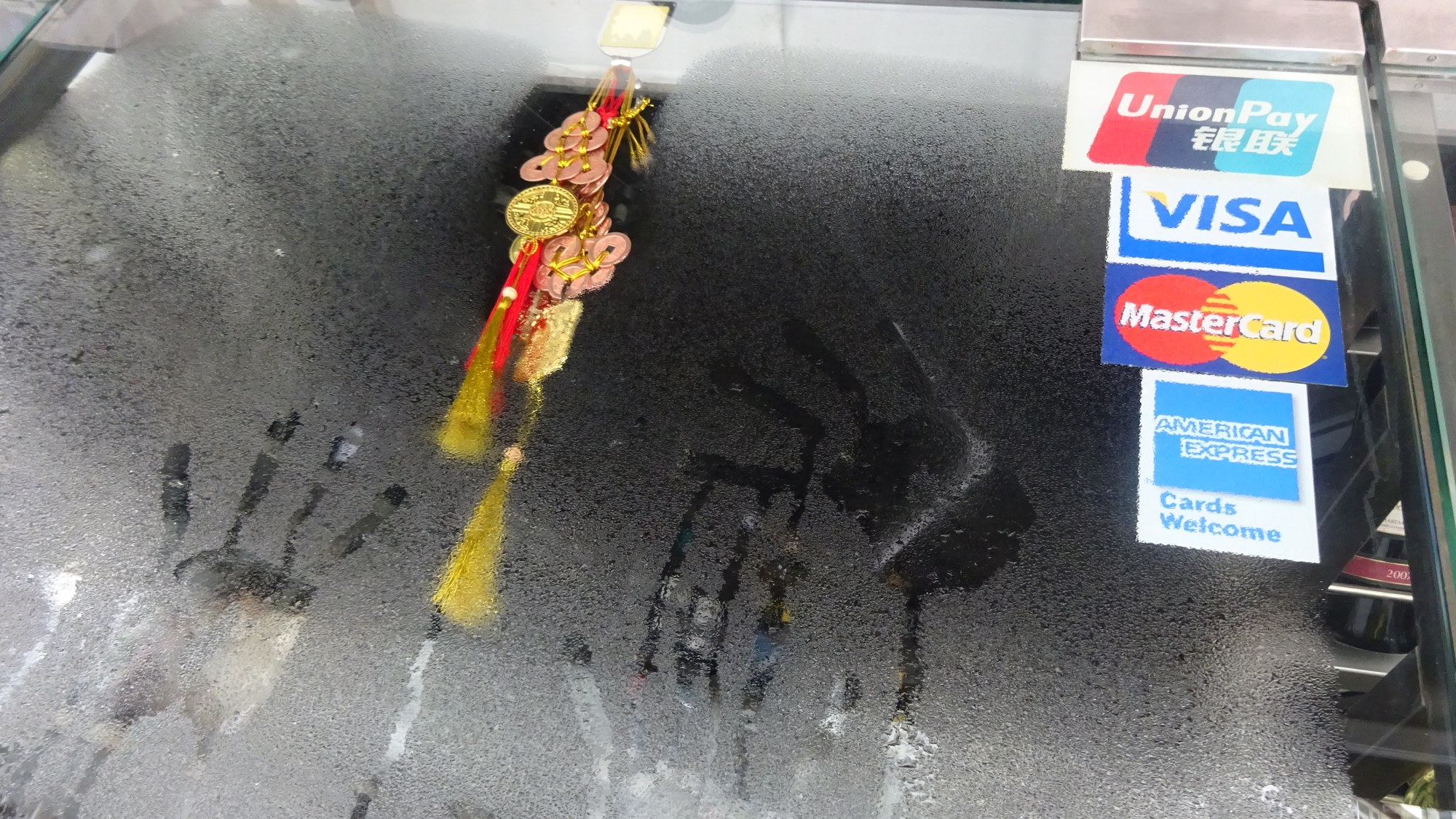
On June 30, 2026, a federal preemption order will strip Illinois of the power to stop nationally chartered banks from collecting swipe fees on credit card tips and sales taxes. The state’s Interchange Fee Prohibition Act was supposed to take effect one day later, on July 1. That single-day gap is not a coincidence. The Office of the Comptroller of the Currency timed its interim final order, published in the Federal Register on April 29, 2026, to land first. For every card transaction routed through a federally chartered bank, the federal rule wins.
Illinois passed its prohibition specifically to stop card networks from collecting interchange fees on the tip and sales-tax portions of electronic payments. For restaurant owners, salon operators, and other businesses where gratuities are common, those fees add up fast. On a $100 dinner tab that includes $8 in sales tax and a $20 tip, a credit card interchange rate in the range of 2% to 2.5% means the merchant pays roughly $0.56 to $0.70 on money that was never revenue to begin with. Multiply that across thousands of transactions a month, and the cost becomes material. The state law was designed to end that practice, at least when the tip and tax data are transmitted separately to the payment network. Now, for the largest segment of the card-issuing market, it will not get the chance.
What the OCC order actually does
The order concludes that federal law preempts the Illinois Interchange Fee Prohibition Act as applied to national banks and federal savings associations. In practical terms, those institutions will not need to strip out tips or taxes before calculating interchange fees on card transactions, even though Illinois lawmakers intended exactly that.
The OCC’s own bulletin states that national banks and federal savings associations are “neither subject to nor required to comply” with the Illinois statute. The agency framed the state measure as creating a “complex” and “potentially unworkable” standard, warning it could produce immediate compliance problems for banks operating across state lines. A related news release reinforced the preemption rationale, arguing the Illinois law would interfere with the exercise of federally authorized banking powers.
The procedural vehicle matters. The OCC used an interim final order rather than the standard notice-and-comment rulemaking process. Under the Administrative Procedure Act, agencies typically publish a proposed rule, invite public comment, and then issue a final rule before anything takes binding effect. The interim final order skips that sequence. The preemption is already operative even though the public comment window remains open through June 30, 2026, with comments accepted via the Federal Register docket page linked above. Banks, merchants, consumer advocates, and state officials had no formal opportunity to weigh in before the rule began governing their conduct. Stakeholder feedback could reshape the final rule down the road, but the preemption itself is binding now.
How the Illinois law was built, and what it targeted
Illinois enacted the prohibition through Public Act 103-0592 on June 7, 2024, giving the payments industry roughly two years to prepare. The codified statute carries a civil penalty of $1,000 per electronic payment transaction for violations, a figure steep enough to have forced banks and processors to retool their systems or face significant liability.
The law’s design was deliberately narrow. It does not attempt to cap or regulate interchange fees across the board. Instead, it zeroes in on the slice of a transaction that reflects sales tax or a customer’s voluntary tip, and only when those components are identified and transmitted separately in the authorization data. That architecture was meant to sidestep a direct confrontation with federal rate-setting authority while still shielding gratuities and tax dollars from swipe fees. Interchange fees, set by card networks like Visa and Mastercard, typically range from about 1.5% to 3.5% of the transaction amount. Merchants almost always absorb the cost. The Illinois law targeted the portion of that fee assessed on money the merchant never keeps: the government’s sales tax and the worker’s tip.
The OCC’s preemption order neutralizes the $1,000-per-transaction penalty for federally chartered banks before a single fine can be assessed, carving out a large segment of the card market from the state’s enforcement reach.
Who is covered and who is not
The order’s boundaries are precise but create an uneven playing field. It explicitly covers national banks and federal savings associations. Major card issuers such as JPMorgan Chase, Bank of America, Citibank, and Wells Fargo all hold national bank charters, which means the OCC’s preemption reaches a large portion of the credit and debit card volume flowing through Illinois merchants.
State-chartered banks, state savings institutions, and credit unions are not covered. Those entities remain subject to the Illinois IFPA unless another regulator or a court determines otherwise. That split raises the prospect of a two-tier market: some card issuers would need to reconfigure their systems to exclude tips and taxes from interchange calculations on Illinois transactions, while their federally chartered competitors continue business as usual.
How card networks and processors respond to that divide is an open question as of late May 2026. Networks could, in theory, build separate processing rules for Illinois transactions depending on the issuer’s charter type, but doing so would add exactly the kind of operational complexity the OCC cited when it labeled the law unworkable. Neither Visa nor Mastercard has publicly commented on the Illinois law or the OCC order, and neither network has committed to a specific processing approach for the two-tier landscape.
What this means for servers, bartenders, and small businesses
The people who feel interchange fees most directly are rarely the ones setting policy. A server at a busy Chicago restaurant who averages $200 a shift in credit card tips is not personally charged a swipe fee on those tips. But the restaurant is. And when the house absorbs higher processing costs, that pressure shows up in tighter margins, smaller staffing budgets, and, in some cases, policies that discourage tipping on cards or add surcharges to cover the gap.
Small-business owners in tipped industries had viewed the Illinois law as a rare win. For a neighborhood coffee shop running $15,000 a month in card sales, with roughly 20% of that total representing tips and another 8% to 10% representing sales tax, the savings from excluding those amounts from interchange calculations could reach several hundred dollars a month. Not transformative on its own, but meaningful for a business operating on single-digit margins.
With the OCC’s order in place, those savings will not materialize for transactions processed through nationally chartered banks. Merchants will continue paying interchange on the full swipe amount, tips and taxes included, on the majority of their card volume.
Legal and political roads still open
No legal challenge to the OCC’s order has surfaced in publicly available records as of late May 2026. But the possibility is real. Illinois officials or affected merchants could seek judicial review, arguing that the state law falls within traditional areas of state authority, including consumer protection and regulation of in-state commerce. The OCC has anchored its position in longstanding federal banking statutes and its own interpretive precedents, signaling it is prepared to defend the order in court.
Illinois is not the only state that has explored interchange fee restrictions. Legislators in other states have introduced similar measures targeting swipe fees on tips and taxes, though none had reached the implementation stage Illinois achieved before the OCC intervened. The federal order could chill those efforts by establishing a preemption template that the OCC or other federal regulators could apply to future state laws.
On Capitol Hill, interchange fees remain a recurring flashpoint. The Credit Card Competition Act, most recently reintroduced in 2025 by Sens. Dick Durbin and Roger Marshall, would require large card-issuing banks to offer merchants a choice of at least two unaffiliated networks for processing transactions, a move supporters say would drive down swipe fees through competition. That bill has not passed, but its repeated reintroduction signals that federal lawmakers see interchange as unfinished business.
Who can still weigh in before June 30
The OCC’s interim final order takes effect June 30, 2026, one day before the Illinois IFPA was set to begin. The public comment window closes on that same date, and submissions can be filed through the Federal Register docket linked in the order. Anyone with a stake in the outcome, from a bartender splitting tips to a trade group representing thousands of restaurants, has a narrow window to make that stake heard. Whether courts, Congress, or future rulemaking alter the preemption remains to be seen. For now, the swipe fees Illinois merchants expected to stop paying on tips and taxes will keep coming.