Millions of Americans paid IRS penalties during the pandemic for filing taxes late or paying late. A federal court ruling now says many of those penalties should never have been assessed, and the money should be returned. But there is a hard deadline to claim it: July 10, 2026. As of early June 2026, that is roughly 41 days away.
The National Taxpayer Advocate, an independent office within the IRS that represents taxpayer interests, has warned that tens of millions of people may be eligible for refunds of failure-to-file and failure-to-pay penalties assessed between January 2020 and mid-2023. That figure is the Taxpayer Advocate’s own estimate, not a confirmed IRS number. The relief traces back to a court decision that reinterpreted how disaster-related deadline extensions work under federal tax law. And because refund claims carry a strict three-year statute of limitations, anyone who misses the July 10 cutoff will almost certainly lose the right to recover those penalties, even if courts later confirm the legal reasoning behind the refunds.
A Pandemic Disaster Declaration Changed the Rules
FEMA classified the COVID-19 pandemic as a major disaster under Disaster Declaration 4480, covering an incident period from January 20, 2020, through May 11, 2023. Under federal tax law, that kind of declaration triggers Internal Revenue Code Section 7508A(d), which gives taxpayers in a federally declared disaster zone a mandatory postponement of certain tax deadlines.
The pivotal question was how long that postponement actually lasts. In Kwong v. United States, the U.S. Court of Federal Claims ruled that the statute requires an additional 60 days beyond the end of the disaster period. Since the pandemic disaster period ended May 11, 2023, the court calculated the effective deadline for many postponed tax obligations as July 10, 2023.
That date drives everything that follows. Under the standard three-year window for filing refund claims (IRC Section 6511), taxpayers have until July 10, 2026, to request refunds of penalties connected to tax obligations that fell within the disaster period. After that date, the IRS is generally barred from issuing a refund, regardless of the merits of the claim.
One important caveat: Kwong was decided by the Court of Federal Claims, a trial-level court. The ruling is not binding on other federal courts, and the government has not publicly stated whether it plans to appeal. That legal uncertainty is exactly why the Taxpayer Advocate is urging people to file now rather than wait for the issue to be fully resolved.
This Is Separate From the Penalty Relief the IRS Already Gave
Some taxpayers may recall that the IRS previously granted automatic penalty relief for certain 2020 and 2021 tax returns. That program, detailed in IRS Fact Sheet FS-2023-28, wiped out failure-to-file penalties for roughly 4.7 million taxpayers and returned about $1 billion in payments already collected.
The Kwong-based relief is a different and potentially broader theory. It could cover penalties the automatic program never touched, including failure-to-pay penalties, penalties tied to 2022 and early 2023 returns, and situations where taxpayers paid penalties that fell outside the IRS’s earlier blanket abatement. If you already received automatic relief, you may still have additional refund claims under this theory for penalties that were not previously addressed.
Neither the Taxpayer Advocate nor the IRS has published per-taxpayer refund estimates or aggregate dollar figures for Kwong-based claims. Individual amounts will depend on the specific penalties each taxpayer paid during the disaster window. For some people, that could be a few hundred dollars. For others, particularly small business owners who faced compounding failure-to-pay penalties over multiple years, it could be significantly more.
What the IRS Has Not Said
There are real unknowns. The IRS has not published formal guidance responding to the Kwong decision. It has not announced whether it will process these claims broadly or contest them one by one. No public data shows how many Form 843 claims citing this theory have been filed or approved so far.
The Taxpayer Advocate’s own analysis suggests the reasoning in Kwong could extend beyond penalties to affect the timeliness of other refund claims, but that expansion has not been tested in court.
Because the legal landscape is still shifting, the Taxpayer Advocate has specifically recommended that eligible taxpayers file what is called a “protective claim.” A protective claim preserves your right to a refund while the legal question works its way through the system. If courts ultimately reject the Kwong theory, the claim gets denied and you owe nothing. If you skip filing altogether and the theory holds up, you will have missed your chance permanently.
How to File Before the Deadline
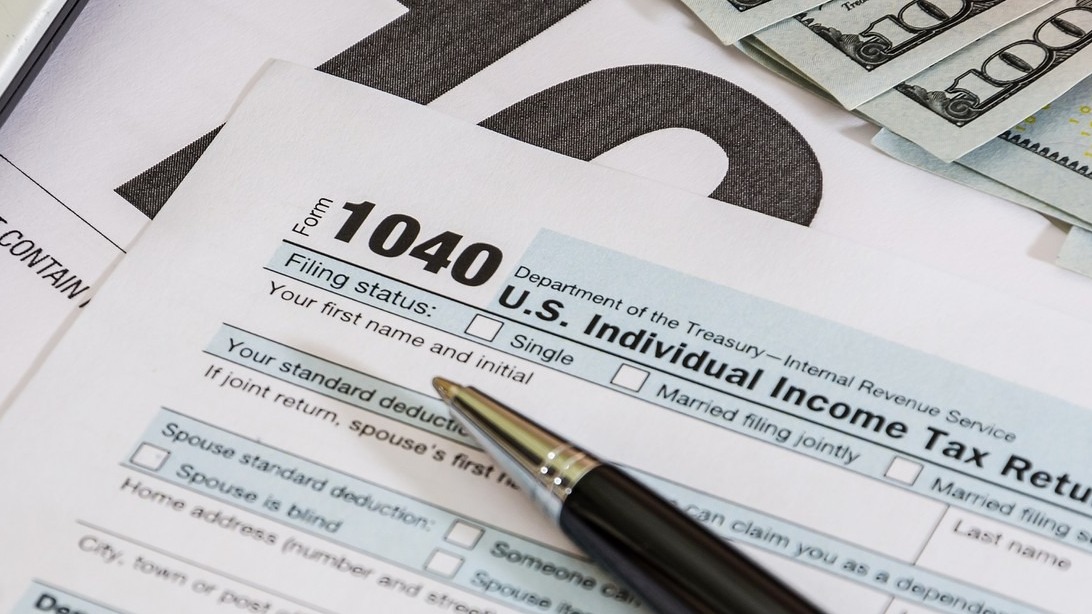
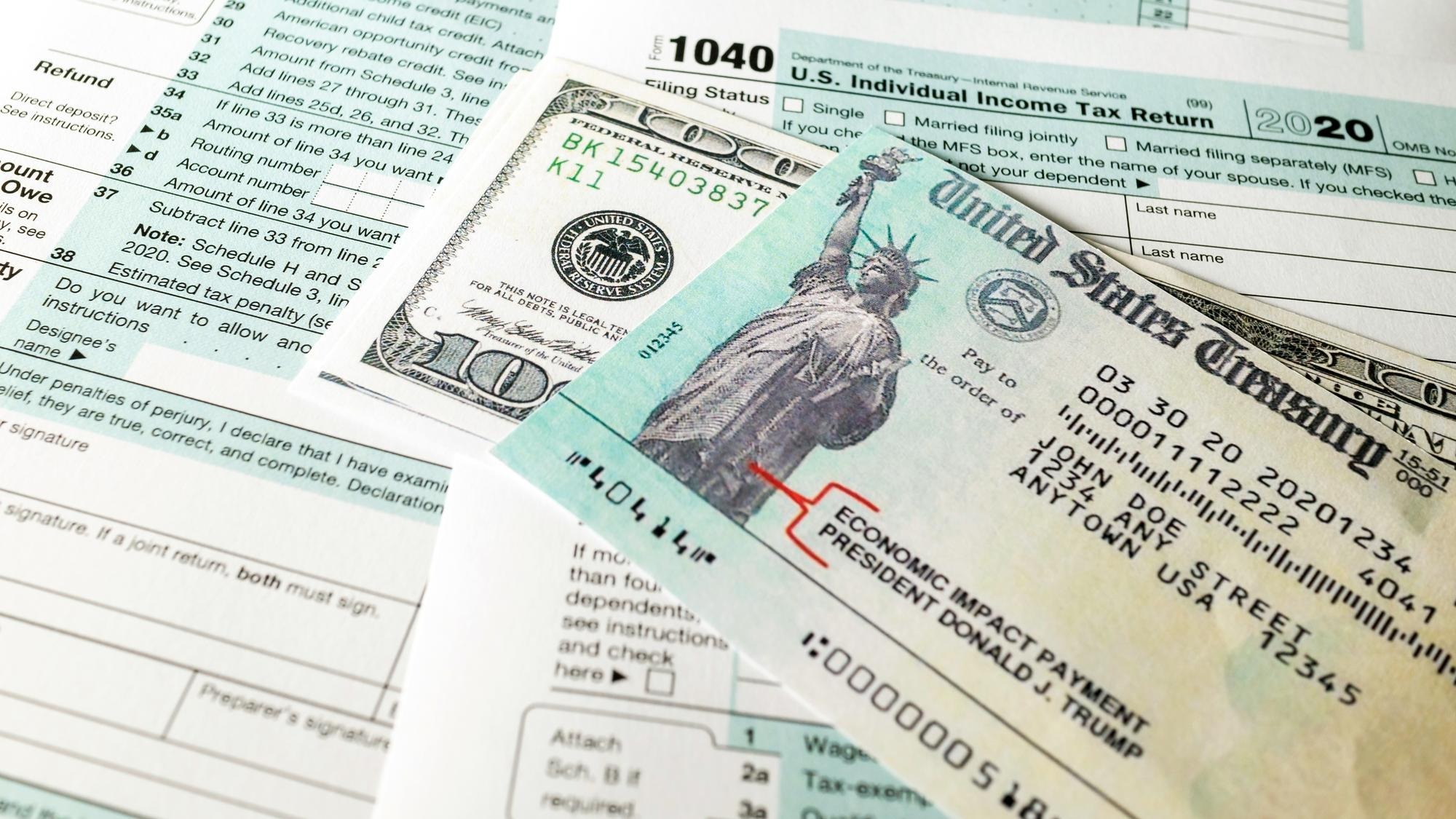
The standard form for requesting a penalty refund or abatement is IRS Form 843, available for download on IRS.gov. Here is what your submission should include:
- Identify the specific penalties you paid. List the tax periods involved (for example, tax year 2020, 2021, or 2022) and the dates you made the payments. If you used tax software or a preparer and are not sure whether penalties were assessed, check your IRS account transcripts (more on that below).
- State the legal basis. Reference FEMA Disaster Declaration 4480, the mandatory postponement under IRC Section 7508A(d), and the July 10, 2023, end date recognized by the court in Kwong v. United States.
- Attach supporting documents if you have them. IRS notices showing the assessment and payment of penalties strengthen your claim, but they are not strictly required for a protective filing.
- Mark it as a protective claim if needed. If you are unsure whether you qualify or lack complete records, you can file a protective claim that preserves your rights and can be amended or supplemented later.
Form 843 must be mailed to the IRS; there is no electronic filing option. The mailing address depends on where you live and is listed in the form’s instructions. Because the deadline is a hard cutoff, send your claim by certified mail or a private delivery service approved by the IRS so you have proof of the postmark date.
The National Taxpayer Advocate has published step-by-step guidance on structuring these submissions, including sample language for protective claims. That resource is worth reviewing before you file, especially if you are handling this without a tax professional. Taxpayers who need help can also contact the Taxpayer Advocate Service directly for assistance.
Who Should File and How to Check Your IRS Transcripts
You should seriously consider filing a claim if you paid failure-to-file or failure-to-pay penalties on federal tax returns that were due at any point between January 2020 and mid-2023. That includes individual returns, but the theory could also apply to business returns and other filings with deadlines that fell within the disaster period. This relief applies to federal penalties only; state tax penalties are governed by separate rules and are not covered by the Kwong decision.
If you are not sure whether you paid penalties during that window, you can check your IRS account transcripts online at IRS.gov or call the IRS to request them. Penalties typically appear as separate line items on your account transcript, distinct from the tax itself. Look for entries labeled “Failure to File Penalty” or “Failure to Pay Penalty” with dates falling within the disaster period.
Filing a protective claim costs nothing and carries no financial risk. Missing the July 10, 2026, deadline, on the other hand, could mean permanently forfeiting a refund you are legally entitled to. With just over a month left, the smartest move is to file now and let the courts sort out the rest.