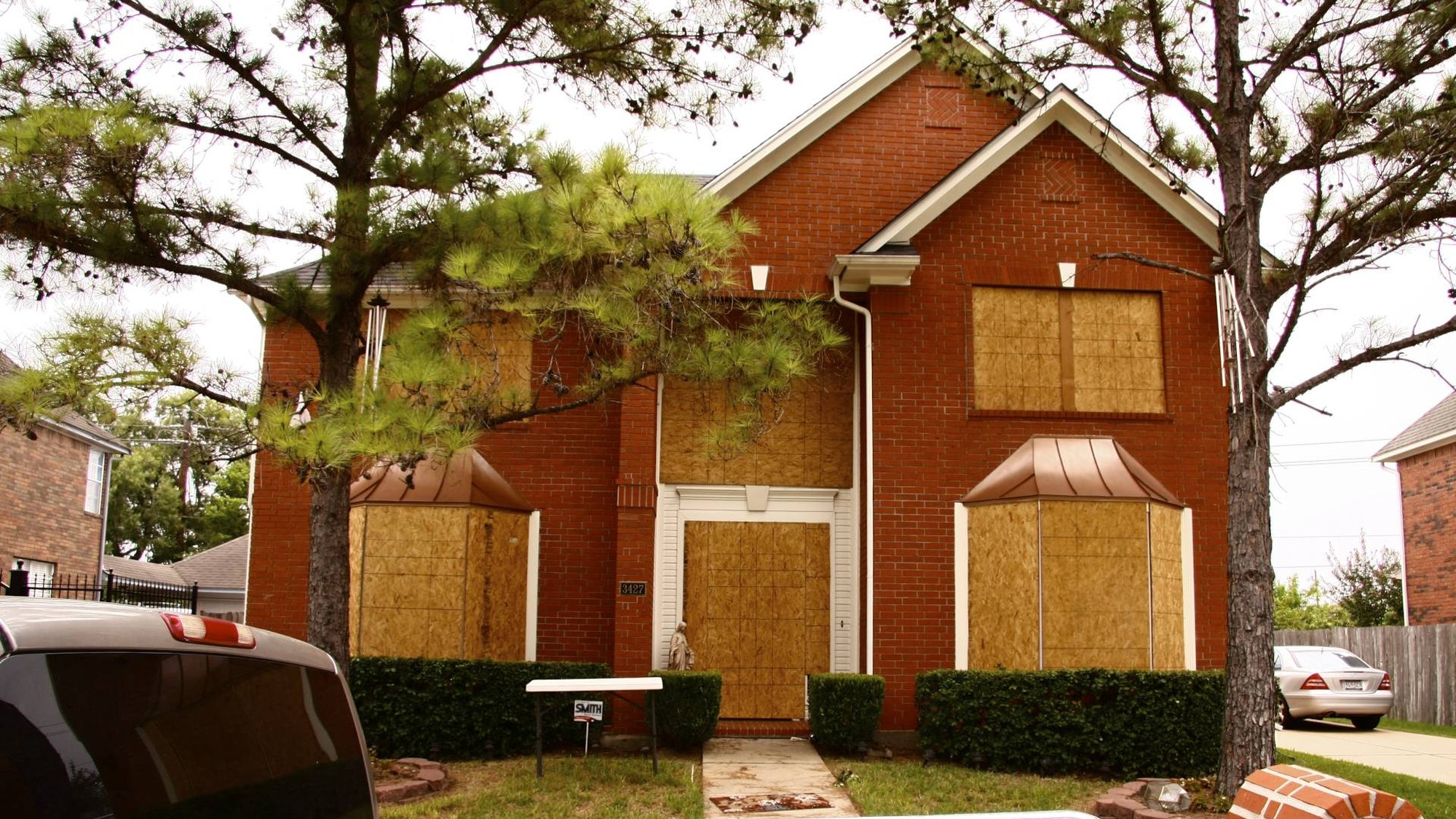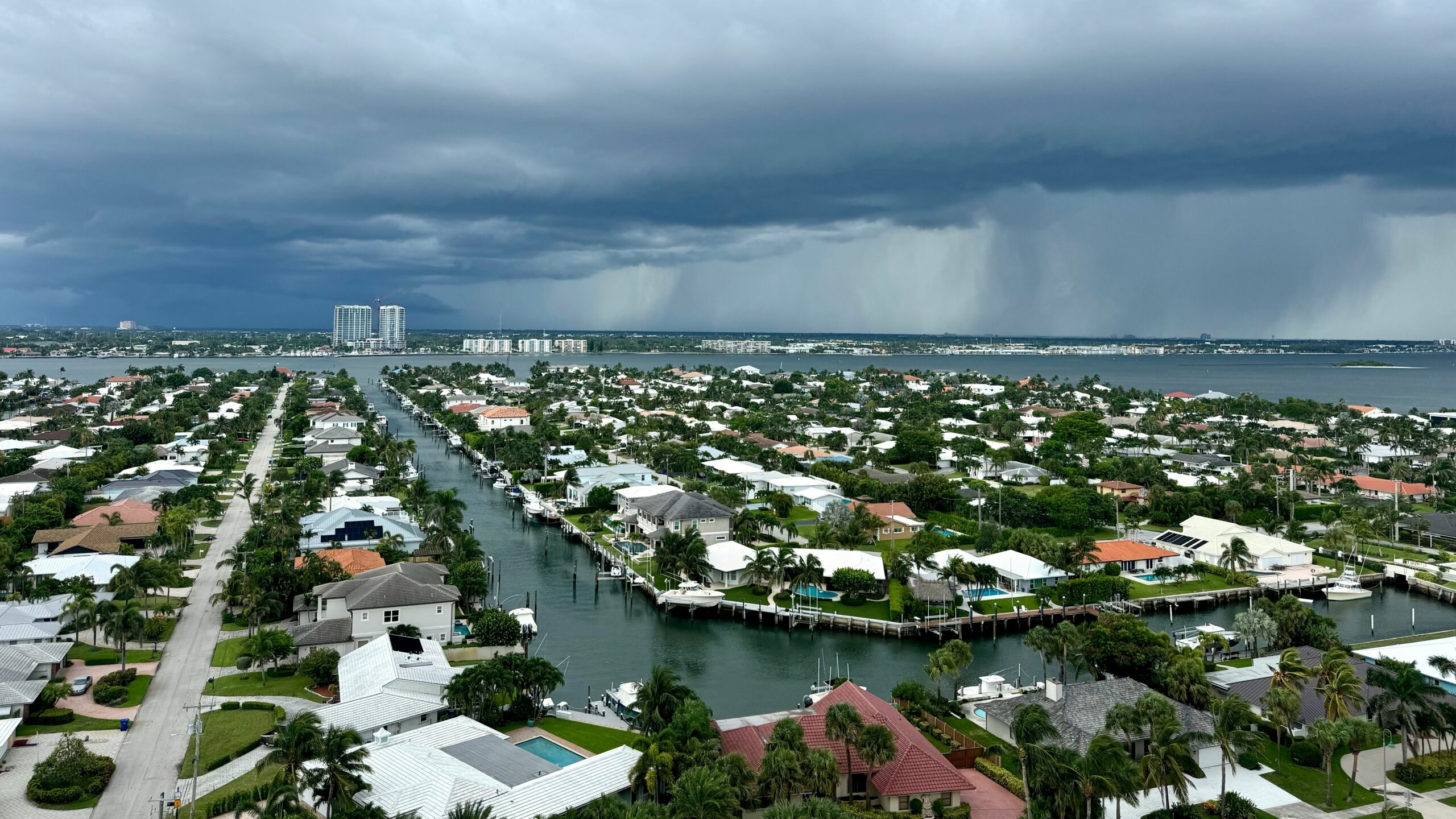
More than 330,000 Florida homeowners are about to pay less for property insurance. Citizens Property Insurance Corp., the state-backed insurer of last resort, will cut rates an average of 8.7 percent starting June 1, 2026, marking the first across-the-board reduction in its homeowners book in roughly eight years.
For a policyholder paying near the statewide average, which recent data from the Insurance Information Institute and the National Association of Insurance Commissioners places in the $4,200 to $4,500 range, an 8.7 percent decrease translates to roughly $365 to $390 in annual savings. More than 150,000 of those policyholders will see reductions of 10 percent or greater, according to the Florida Office of Insurance Regulation. The cut spans all 67 counties and covers single-family homes and certain condominium risks that have struggled to find coverage in the private market. Citizens has approved narrower, targeted decreases in specific policy lines during the intervening years, but this is the first reduction that touches the entire homeowners portfolio statewide.
The tort-reform law behind the numbers
State officials credit House Bill 837, signed in March 2023 and codified as Chapter 2023-15, Laws of Florida. The law’s most consequential change for insurance pricing was the repeal of one-way attorney fees in property insurance disputes.
Under the old system, an insurer that lost or settled a claim had to pay the policyholder’s attorney fees, but a policyholder owed nothing if the insurer prevailed. That asymmetry gave plaintiff law firms a strong financial incentive to pursue even marginal claims, because the downside risk was minimal. Defense costs ballooned, and insurers baked those expenses into premiums. During the legislative debate, insurance industry groups cited data showing Florida accounted for roughly 8 percent of all U.S. homeowners insurance claims but nearly 76 percent of all homeowners insurance lawsuits nationwide. (That figure, often attributed to the Insurance Information Institute, has been disputed by plaintiff attorneys but was central to the case for reform.)
By eliminating one-way fees and tightening other litigation rules, HB 837 reduced the volume of new lawsuits. Regulators say the resulting decline in claims-related legal expenses created enough actuarial room for Citizens to lower rates without weakening its reserves. That said, no actuarial filing has been published that isolates how much of the 8.7 percent reduction is attributable to HB 837 specifically versus other factors, such as a relatively mild recent hurricane season or broader reinsurance market shifts. The state credits the tort-reform law throughout its public statements, but without a published expense breakdown, that attribution cannot be independently verified.
Reforms are showing up in other insurance lines, too
The homeowners cut is not happening in a vacuum. Insurance Commissioner Mike Yaworsky separately approved a 6.9 percent reduction in workers’ compensation rates in November 2025, the ninth consecutive annual decrease in that line. State officials have also pointed to stabilizing auto insurance costs and growing reinsurance confidence as signs that the civil-justice overhaul is easing pressure across multiple insurance markets.
What regulators still have not disclosed
Several important details remain missing from the public record. County-level breakdowns have not been released, so it is unclear whether the cuts are distributed evenly or concentrated in litigation-heavy metro areas like Miami-Dade, Broward, and Hillsborough. Homeowners in high-risk coastal zones, where premiums are steepest, may experience different percentage changes than inland policyholders. Whether older homes with weaker roofs or properties with prior claims histories will see smaller reductions than newer, hardened structures has also not been addressed.
“We are pleased to see rates moving in the right direction, but an 8.7 percent cut does not undo five years of 40- to 50-percent increases for many families,” said Amy Boggs, a policy analyst at the Florida Consumer Action Network, in a May 2026 interview. “Until we see the county-level data and the actuarial breakdown, it is hard to know whether this relief is landing where it is needed most.”
That gap matters because the 8.7 percent cut, while real, follows years of steep increases. A homeowner whose Citizens premium climbed 40 or 50 percent over the past several years may view the annual savings as welcome but modest. Without the granular data behind the filing, it is difficult to measure how far this reduction goes toward restoring affordability.
Will private insurers follow Citizens down?
Citizens functions as Florida’s insurer of last resort, and its rates historically set a ceiling that private carriers price against. A lower Citizens rate could pressure private companies to file competitive decreases, particularly in markets where Citizens has gained share as other carriers withdrew or tightened underwriting.
But private insurers are still absorbing the costs of recent hurricane seasons and negotiating reinsurance renewals. As of June 2026, none have publicly committed to broad-based homeowners cuts tied directly to HB 837. Consumers can check which companies are actively writing policies in the state through the Department of Financial Services’ company search tool, though the tool does not display individual rate filings.
What policyholders should watch for at renewal
The June 1 effective date does not mean every bill drops immediately. The lower rates apply at each policy’s next renewal, so some homeowners will not see the change until later in 2026. Ancillary fees and surcharges, including Citizens’ regular assessment charges, may not move in lockstep with base rates.
Looking further ahead, the durability of these savings depends on two variables that no one controls: storms and legal strategy. If a major hurricane generates heavy losses, or if plaintiff attorneys develop new litigation approaches that replicate some of the old cost pressures, insurers could seek to recoup expenses in future filings. If litigation volumes keep falling and reinsurance prices stabilize, regulators may have room to push for additional reductions.
How far the 8.7 percent cut goes toward restoring Florida insurance affordability
State officials are encouraging Citizens policyholders to review their renewal documents carefully and compare options among admitted private insurers where available. The 8.7 percent cut represents a concrete reversal after years of punishing increases, but it arrives against a backdrop of cumulative premium growth that has far outpaced it. How meaningful the relief turns out to be will become clearer only when regulators release the county-level and actuarial data behind the number.