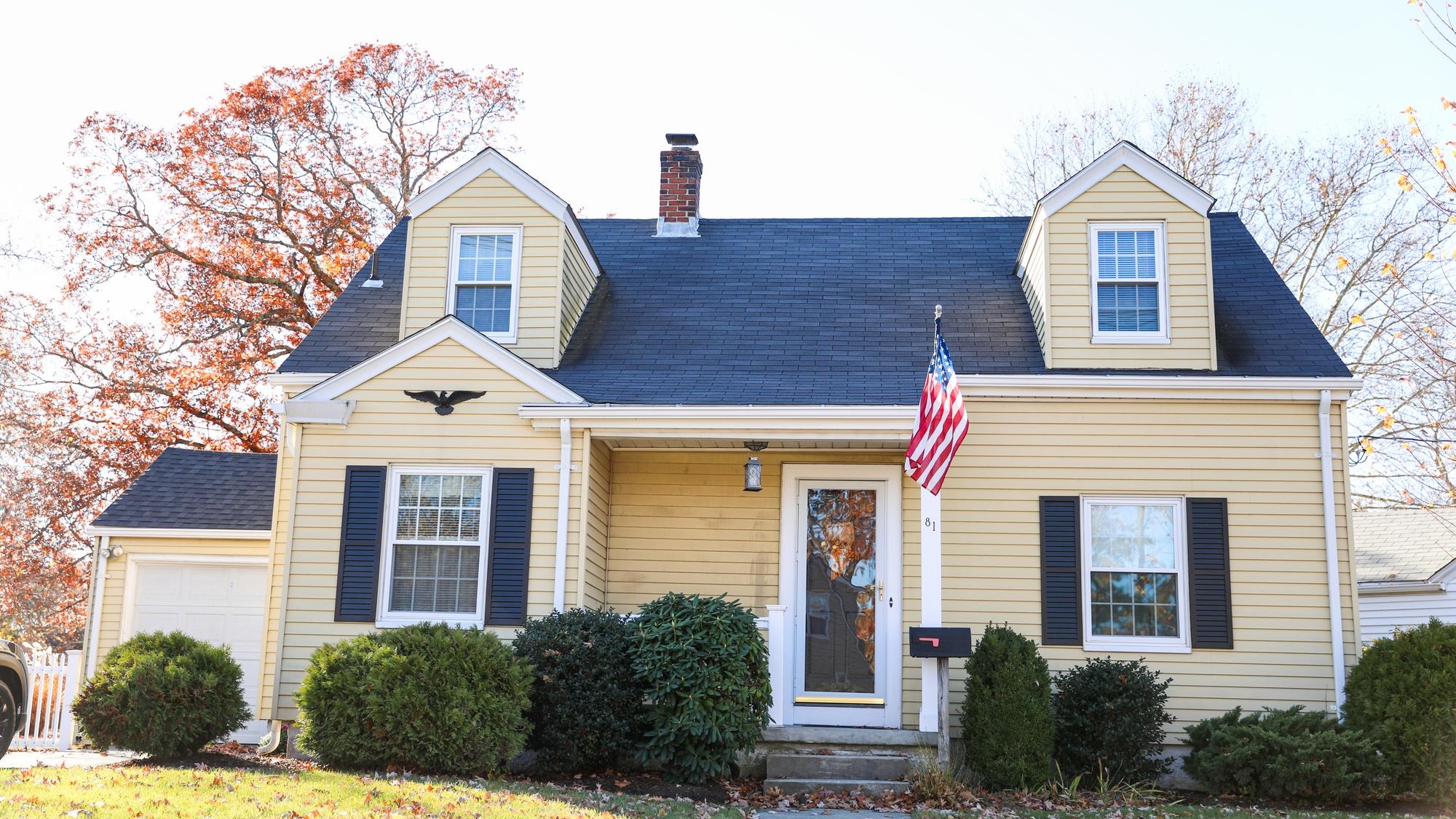
The typical American home is barely worth more than it was 12 months ago, and the shift is not subtle. The National Association of Realtors reported that the median existing-home sale price reached $417,800 in April 2024, a year-over-year increase of just 0.4 percent. Two years later, that reading still stands as a turning point: the thinnest annual gain since 2012 and a stark departure from the double-digit surges that defined the pandemic housing boom. The trends it captured have only deepened in the months since.
The explanation is not complicated: inventory is finally growing, but buyers are not keeping up.
Sales slip even as mortgage rates ease
Existing-home sales fell 1.9 percent from the prior month in April 2024, according to NAR. The decline arrived during a brief window when mortgage rates dipped slightly in early spring, a stretch many analysts expected would pull sidelined buyers back into the market. It did not.
“We are seeing a market where buyers have options they haven’t had in years, yet affordability keeps them on the sidelines,” said Lisa Sturtevant, chief economist at Bright MLS, in a May 2024 commentary on the data.
Rates have hovered near or above 7 percent for much of the period since early 2023, roughly double where they stood in early 2022. At that level, the monthly principal-and-interest payment on a median-priced home with 20 percent down lands close to $2,200, based on standard 30-year amortization. For a household earning the national median income, that single payment can swallow more than 30 percent of gross monthly pay, the traditional red line lenders use to flag affordability strain.
Wages have climbed, but not fast enough to close the gap. Bureau of Labor Statistics data through early 2024 showed average hourly earnings for private-sector workers rising roughly 4 percent year over year. More recent BLS releases through spring 2026 show wage growth in a similar range. A 4 percent raise helps at the margins. It does not neutralize a near-doubling of borrowing costs.
The Federal Reserve’s posture adds another layer of uncertainty. With inflation proving stickier than policymakers hoped, rate cuts that many buyers banked on have been slower to materialize. Until the Fed signals a clear easing cycle, mortgage rates are unlikely to fall far enough to meaningfully change the affordability math.
Inventory surges from a historically depleted base
While demand stalled in 2024, supply was catching up. Active listings in April 2024 jumped 30.4 percent year over year, according to Realtor.com data reported by the Associated Press. Homeowners who spent two years waiting out rate volatility were listing their properties, only to find fewer qualified buyers on the other end. That inventory trajectory has continued into 2026, with listings in many metros still running well above their pandemic-era lows.
A 30 percent surge sounds dramatic, and it is, but it came off a historically depleted base. Inventory cratered during the pandemic as homeowners with sub-3-percent mortgages refused to sell and surrender their locked-in rates. Even with the rebound that began in 2024, the number of homes available for sale remains below pre-pandemic norms in most markets as of mid-2026.
The shift matters not because supply is abundant in absolute terms, but because it is rising while sales remain sluggish. That divergence is what compresses price growth toward zero.
NAR’s inventory series and Realtor.com’s listing tracker use slightly different methodologies, so the exact magnitude of the buildup varies by source. Both point the same direction: the days of 1.5-month supply and 15-offer bidding wars are over in most of the country.
Regional fractures beneath the national number
The national median masks wide variation. Sun Belt metros that attracted a flood of remote workers and investors during 2020 and 2021 have seen price cuts become routine. In Austin, for example, median prices turned negative on a year-over-year basis in 2024 as new construction and returning resale inventory competed for a shrinking pool of buyers. Phoenix and several Florida metros followed a similar pattern, with sellers offering concessions that were unthinkable two years earlier.
By contrast, supply-constrained Northeastern cities and parts of the Midwest have held up better, in some cases still posting mid-single-digit appreciation. The difference often comes down to how much new building occurred during the boom. Markets that permitted heavy construction are now absorbing the consequences. Markets that did not still have a structural shortage propping up values.
New-home sales add another wrinkle. Builders in oversupplied Sun Belt markets have been offering mortgage rate buydowns and closing-cost incentives to move standing inventory, effectively undercutting resale sellers who cannot match those sweeteners. In tighter markets, builders have less reason to discount, reinforcing the regional divide.
What buyers and sellers should watch through summer 2026
The standoff between rising inventory and cautious demand leaves the market balanced on a narrow ledge. Three variables will determine which way it tips.
Mortgage rates. If rates fall meaningfully below 6.5 percent, pent-up demand from sidelined first-time buyers could absorb the new supply quickly and re-accelerate prices. If rates stay near 7 percent or climb higher, the inventory buildup will continue and price growth could turn negative nationally.
Employment. Housing demand is ultimately a labor-market story. So far, job growth has been steady enough to prevent distressed selling, which is why this slowdown looks like a rebalancing rather than a crash. A meaningful rise in unemployment would change that calculus fast.
Seller psychology. Many current owners bought or refinanced at rates between 2.5 and 3.5 percent. Listing their home means giving up that rate, a cost that has kept millions of potential sellers on the sidelines. As life events like job changes, divorces, retirements, and growing families force more of those owners to move regardless, inventory will keep climbing. The question is whether it climbs gradually or in a rush.
Why the April 2024 inflection point still defines the market in 2026
Nothing in the April 2024 data suggested a 2008-style crash, and nothing in the two years since has changed that assessment. Lending standards remain far tighter than they were during the subprime era, homeowner equity is near record levels, and distressed sales are a tiny fraction of transactions. What the data did show, and what subsequent months have confirmed, is a market that has run out of the fuel that powered three years of extraordinary price gains. Demand is constrained by affordability. Supply is no longer frozen. And the national price line has, since that April 2024 reading, remained essentially flat.
For sellers, that means pricing realistically from day one rather than testing the market with an aspirational ask. For buyers, it means more negotiating leverage than they have had since before the pandemic, especially in markets where inventory has surged. And for anyone waiting for a clear signal on direction, the next few months of rate decisions and jobs reports through summer 2026 will reveal far more than any single monthly snapshot.