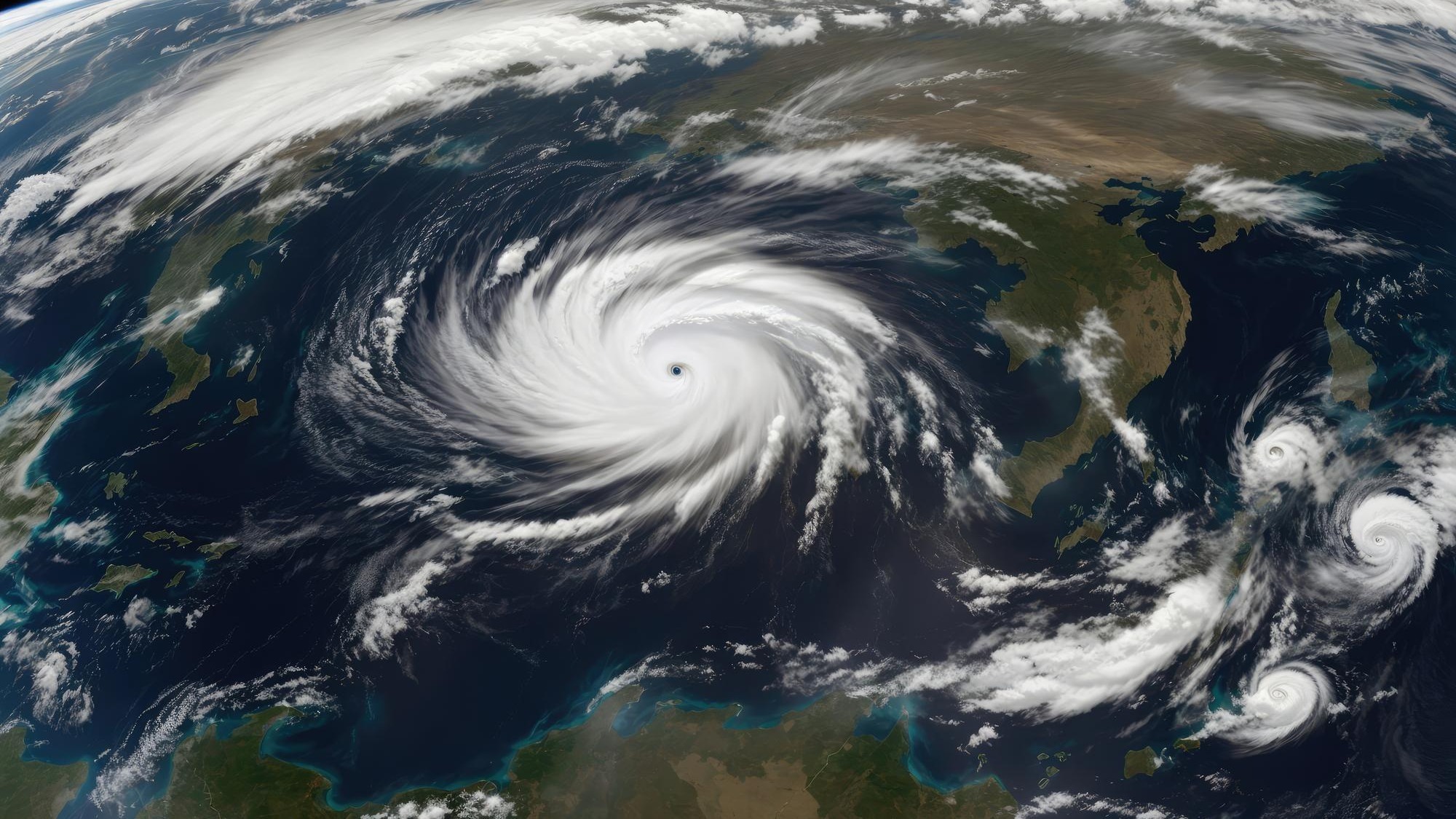
Homeowners along the Atlantic and Gulf coasts face a narrow window to secure flood coverage before the 2026 hurricane season ramps up. NOAA issued its seasonal outlook on May 21, projecting 8 to 14 named storms with a 70 percent probability, while any National Flood Insurance Program (NFIP) policy purchased today carries a 30-day waiting period that delays coverage until July 2. That gap means early-season storms could strike properties that lack active policies, even in a year forecast to run below historical averages.
What is verified so far
The official outlook for the 2026 North Atlantic hurricane season, issued May 21 by NOAA’s Climate Prediction Center, sets 70 percent probability ranges at 8 to 14 named storms, 3 to 6 hurricanes, and 1 to 3 major hurricanes. Those projected counts sit well below the 1991–2020 climatological averages of about 14.4 named storms, 7.2 hurricanes, and 3.2 major hurricanes summarized in the center’s long-term climate baseline. In other words, NOAA currently expects a quieter-than-normal season in terms of the total number of systems that form over the basin.
The outlook also makes clear that it is a seasonal, basin-wide forecast. It explicitly notes that it has no skill at predicting where storms will track or whether any will make landfall. That limitation applies regardless of how active or inactive the season is overall. A below-normal count of storms does not translate into below-normal risk for any specific city or stretch of coastline, because a single landfalling hurricane can dominate the year’s impacts.
A central driver behind the lower forecast is the elevated chance of El Niño conditions persisting through the August–September–October peak months. The Climate Prediction Center’s May 2026 ENSO probability table, available in its ENSO analysis, shows heightened odds that sea-surface temperatures in the equatorial Pacific will meet El Niño thresholds. Historically, El Niño tends to increase vertical wind shear over the tropical Atlantic, disrupting storm organization and reducing the total number of tropical cyclones.
On the insurance side, FEMA guidance for the NFIP states that standard flood policies “will go into effect 30 days after your date of purchase,” with only narrow exceptions for situations such as certain mortgage closings, properties newly mapped into high-risk zones, and some qualifying renewals. That rule creates a hard calendar constraint for coastal homeowners: a policy bought on June 1 activates on July 1, and one bought today activates on July 2. Because the Atlantic hurricane season officially runs from June 1 through November 30, the first month of the season falls entirely inside the waiting period for anyone purchasing coverage now.
What remains uncertain
Several factors could shift the risk picture in ways the seasonal outlook does not capture. NOAA’s forecast addresses the number and intensity of storms across the entire Atlantic basin but does not indicate whether individual systems will curve harmlessly out to sea or head toward densely populated coastlines. A season with only eight named storms could still produce catastrophic flooding if one of those storms stalls over a metropolitan area or delivers extreme rainfall far inland.
The ENSO probability breakdown for overlapping seasons currently supports the below-normal call, but ocean temperatures and atmospheric patterns can evolve between late May and the peak months. If El Niño conditions weaken or fail to materialize as strongly as projected, wind shear over the Atlantic could be lower than expected, allowing more storms to develop. NOAA has signaled that it will update its seasonal outlook in August, and in past years such updates have shifted the projected ranges both upward and downward as new data emerged.
Flood exposure on the ground is also difficult to quantify. No comprehensive, real-time data is publicly available on current NFIP purchase volumes or the number of coastal properties that will enter June without active flood insurance. Private flood policies, which may have different waiting periods or underwriting standards, add another layer of uncertainty to how much financial protection households actually have if an early-season storm strikes.
The NFIP’s 30-day waiting period exceptions further complicate the picture. FEMA lists specific scenarios, including newly designated high-risk flood zones and certain post-disaster or post-wildfire federal actions, in which the standard wait can be shortened or waived. However, there is no consolidated public record of how frequently those exceptions have been used in recent seasons. Without that data, it is unclear what share of new policyholders are able to obtain coverage in less than 30 days and how many must endure the full waiting period as the calendar moves deeper into hurricane season.
For now, the verified pieces of the puzzle point in two directions at once: a statistical signal favoring fewer storms overall, and a rigid insurance timetable that leaves a clear vulnerability window at the very start of the season. Until updated forecasts and better coverage data are available later in the summer, coastal homeowners must weigh those uncertainties against the reality that even a single landfalling storm can bring severe flooding to properties that remain uninsured.