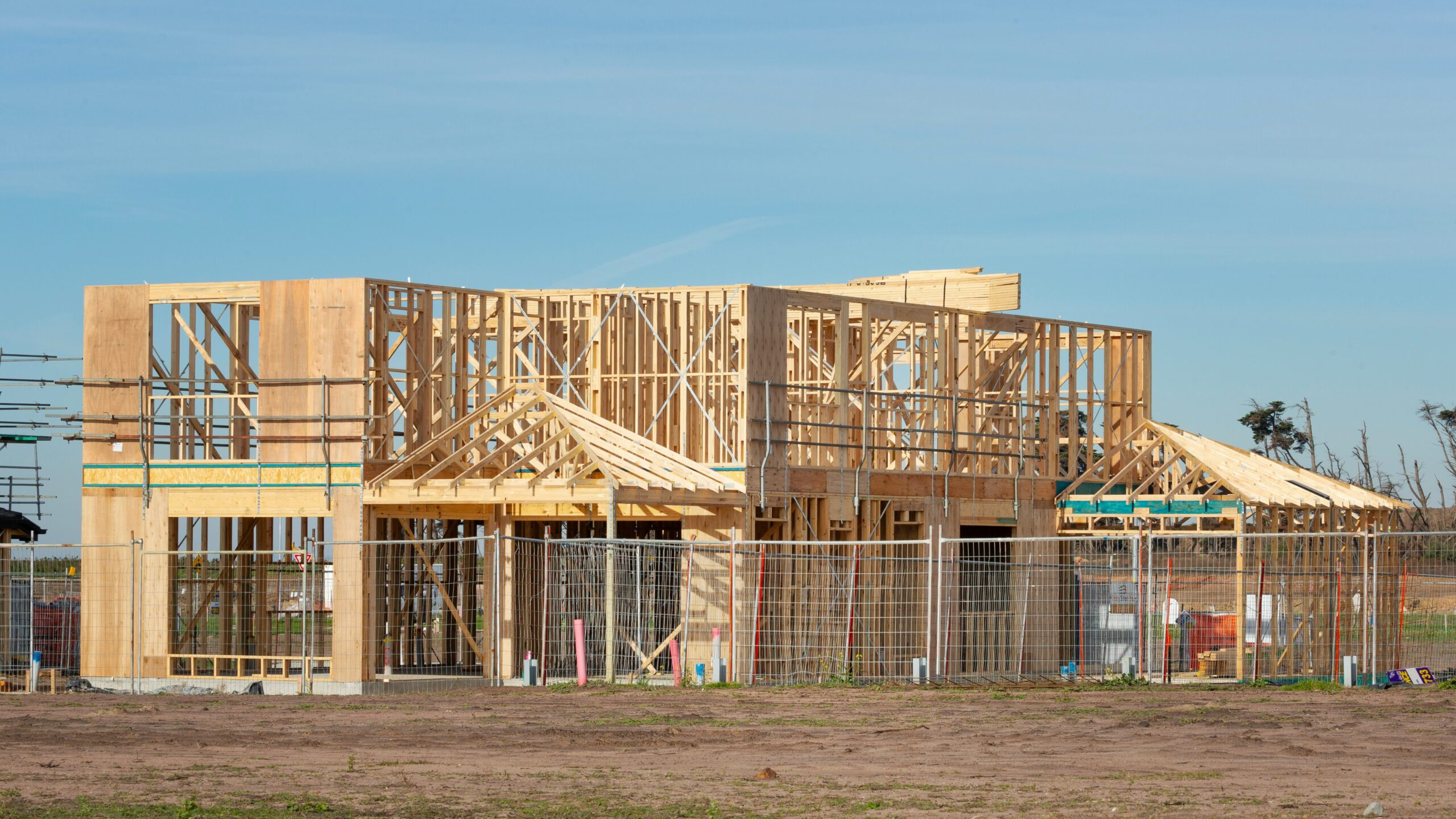
American homebuilders broke ground on fewer houses in April than at any point in more than two years, a pullback concentrated in single-family construction that threatens to deepen the country’s housing shortage. Total housing starts fell to a seasonally adjusted annual rate of 1.465 million units, a 2.8% decline from March. Single-family starts dropped 9% to 930,000, the weakest pace since 2023. The numbers land at a time when buyers already face tight inventory and elevated mortgage rates, and they signal that the pipeline of new homes entering the market will narrow further heading into summer.
What the Census Bureau data actually shows
The April figures come from the New Residential Construction program, which tracks new privately owned housing units and excludes HUD-code manufactured homes. That distinction matters because factory-built homes, which serve a growing share of the affordable market, do not appear in the headline starts count. The program is partially funded by the Department of Housing and Urban Development, and its data feeds the widely cited FRED time series maintained by the Federal Reserve Bank of St. Louis.
Two separate surveys power the release. The Survey of Construction generates the starts, under-construction, and completions estimates, while the permits survey, authorized under Title 13, supplies the permit counts that serve as a leading indicator of future activity. Both surveys feed into monthly estimates that are later revised as additional permit reports arrive and annual benchmarking is completed.
The 9% single-family decline is the sharpest monthly drop in that category in over a year. Multifamily starts held comparatively steadier, which kept the overall decline at 2.8% rather than something larger. For prospective buyers, the split carries a direct consequence: single-family homes are the segment most in demand among first-time purchasers, and a thinner construction pipeline means fewer finished houses reaching the market later this year and into early 2027.
Regionally, the Census Bureau’s release indicates that weakness was most pronounced in parts of the South and West, areas that had previously led the post-pandemic construction rebound. In some metros, builders appear to be pulling back from outer-ring subdivisions that penciled out when borrowing costs were lower but now look riskier. In others, local permitting bottlenecks and infrastructure constraints are limiting how quickly new lots can be brought online, even when underlying demand remains strong.
What remains uncertain about the April decline
Monthly housing data is inherently noisy, and several factors make April’s reading harder to interpret with precision. The Survey of Construction methods acknowledge nonsampling errors and imputation steps that can shift estimates after initial release. Response rates and late-arriving permit data regularly trigger revisions, sometimes substantial ones, in the months following the first print. The Census Bureau has not published April-specific response-rate details or error margins that would clarify how much of the single-family weakness reflects actual builder decisions versus statistical noise.
A separate source of ambiguity involves changes to the Building Permits Survey’s data-collection procedures that took effect around January 2025, according to the survey’s methodology documentation. Those changes affected how missing permit reports are handled and how the universe of permit-issuing jurisdictions is updated. Whether the January 2025 adjustments are inflating or deflating the gap between permits and starts in specific metros is not yet clear from publicly available documents. State- and metro-level imputation adjustments that could explain regional patterns in the single-family weakness have not been broken out in the release.
Cost pressures, including lumber prices and labor availability, are frequently cited as headwinds for builders, but the New Residential Construction program itself does not collect cost or financing data. No direct statements from HUD-funded components of the program address whether project financing conditions contributed to the April pullback. Without that information, attributing the decline to any single cause requires caution. Weather disruptions, shifting buyer preferences, and local regulatory changes could all be playing a role alongside broader macroeconomic forces.
Another layer of uncertainty comes from seasonal adjustment. The April numbers are seasonally adjusted annual rates, designed to strip out predictable patterns in construction activity. But if underlying behavior is changing-say, if builders are front-loading or back-loading projects in response to supply-chain issues-standard seasonal factors may misstate the true month-to-month shift. That makes it risky to extrapolate a single month’s decline into a firm forecast for the rest of the year.
Separating hard numbers from background noise
Readers trying to gauge the housing market’s direction should weigh the April data against its methodological context. The headline figures, 1.465 million total starts and 930,000 single-family starts, are seasonally adjusted annual rates derived from sample-based surveys, not a direct count of every shovel in the ground. Annual benchmarking routinely revises these estimates, sometimes by tens of thousands of units, once a fuller picture of permit activity emerges.
The FRED time series, which attributes its housing starts data to HUD and the Census Bureau, confirms that the single-family reading matches the lowest level recorded since late 2023. That comparison provides a useful anchor: it tells us that builder activity has retreated to levels last seen when mortgage rates were near their recent cyclical peak. The parallel is informative but imperfect, because the mix of regional demand, input costs, and regulatory conditions differs between the two periods.
Permit counts tracked by the Building Permits Survey function as an early signal of where starts are headed in coming months. When permits run ahead of starts, it can indicate that builders have secured approvals but are delaying groundbreaking, often because of financing terms, weather, or supply-chain bottlenecks. The April data shows a gap between permitted and started projects that could mean delays will persist into the summer construction season, though the size and duration of that gap depend on variables the monthly release does not capture.
For anyone planning to buy a newly built home in the second half of 2026, the practical takeaway is straightforward. Fewer single-family starts today translate into fewer completed houses available for sale roughly 9 to 18 months from now, depending on construction timelines in a given region. In tight markets where builders are already struggling to keep up with household formation, that lag could mean continued bidding wars for new inventory and limited options at entry-level price points.
Potential buyers should also understand that the official numbers exclude manufactured homes built under HUD codes, even though those units can meaningfully expand supply in some communities. Local conditions-such as zoning rules, availability of buildable lots, and infrastructure capacity-will determine how much relief, if any, comes from those alternative forms of construction.
How to read the next few reports
The April pullback may prove to be an early sign of a more cautious stance among builders, or it may be partially revised away as updated information arrives. The Census Bureau’s published procedures emphasize that preliminary estimates are subject to correction as additional survey responses and permit data are incorporated. Watching how May and June numbers evolve-along with any revisions to April-will offer a clearer sense of whether single-family construction is entering a sustained slowdown or merely pausing after a stronger winter.
For now, the hard data points to a meaningful cooling in single-family building at a moment when the U.S. housing market can ill afford another constraint on supply. The statistical caveats matter, but they do not erase the core signal: fewer groundbreakings today make it harder to close the gap between the number of homes Americans need and the number that actually exist. Unless subsequent reports show a rebound in starts or a surge in permits translating quickly into new foundations, the country’s housing shortage is likely to persist well into the next buying season.