Tens of millions of taxpayers who paid penalties on returns filed between 2020 and 2023 could be owed refunds by the IRS, but they have just 34 days to act. The National Taxpayer Advocate has urged eligible filers to submit claims before a July 10 deadline, arguing that COVID-19 disaster relief rules effectively extended filing and payment deadlines far longer than most people realized. The clock is running, and taxpayers who miss this window risk forfeiting money the government may have collected prematurely.
Why the July 10 deadline changes everything for pandemic-era penalties
The core issue traces back to FEMA’s designation of the COVID-19 pandemic as a federal disaster, which set an incident period running from January 20, 2020, to May 11, 2023. Under federal tax law, a presidentially declared disaster can postpone filing and payment deadlines. The Kwong court decision applied that reasoning to COVID-19, concluding that many returns and payments made during the incident period were not actually late, even if the IRS treated them as overdue and assessed penalties.
The National Taxpayer Advocate blog has stated that under the Kwong reasoning, COVID-19 disaster postponement could mean many filing and payment deadlines were not late until after July 10, 2023. That means failure-to-file and failure-to-pay penalties assessed during those years, along with associated interest, may have been improperly charged. Taxpayers who already paid those penalties could be entitled to refunds or credits.
This relief operates on a separate track from the IRS’s own automatic penalty abatement for 2020 and 2021 tax years. The agency announced broad penalty relief for many taxpayers with balances from those two years under specified conditions, including automatic refunds or credits if penalties had already been paid. But the Kwong-based argument extends further, potentially covering 2022 and 2023 penalties as well, and encompassing failure-to-file penalties that the automatic program does not address.
Because the IRS has not adopted the Kwong interpretation nationwide, it is not automatically reviewing every account. Instead, taxpayers generally must affirmatively request relief. The July 10, 2026, deadline functions as a statute of limitations cutoff: for many affected years, the window to claim a refund or abatement will close, even if the underlying penalties were inconsistent with the disaster rules.
How Form 843 and IRS online accounts factor into refund claims
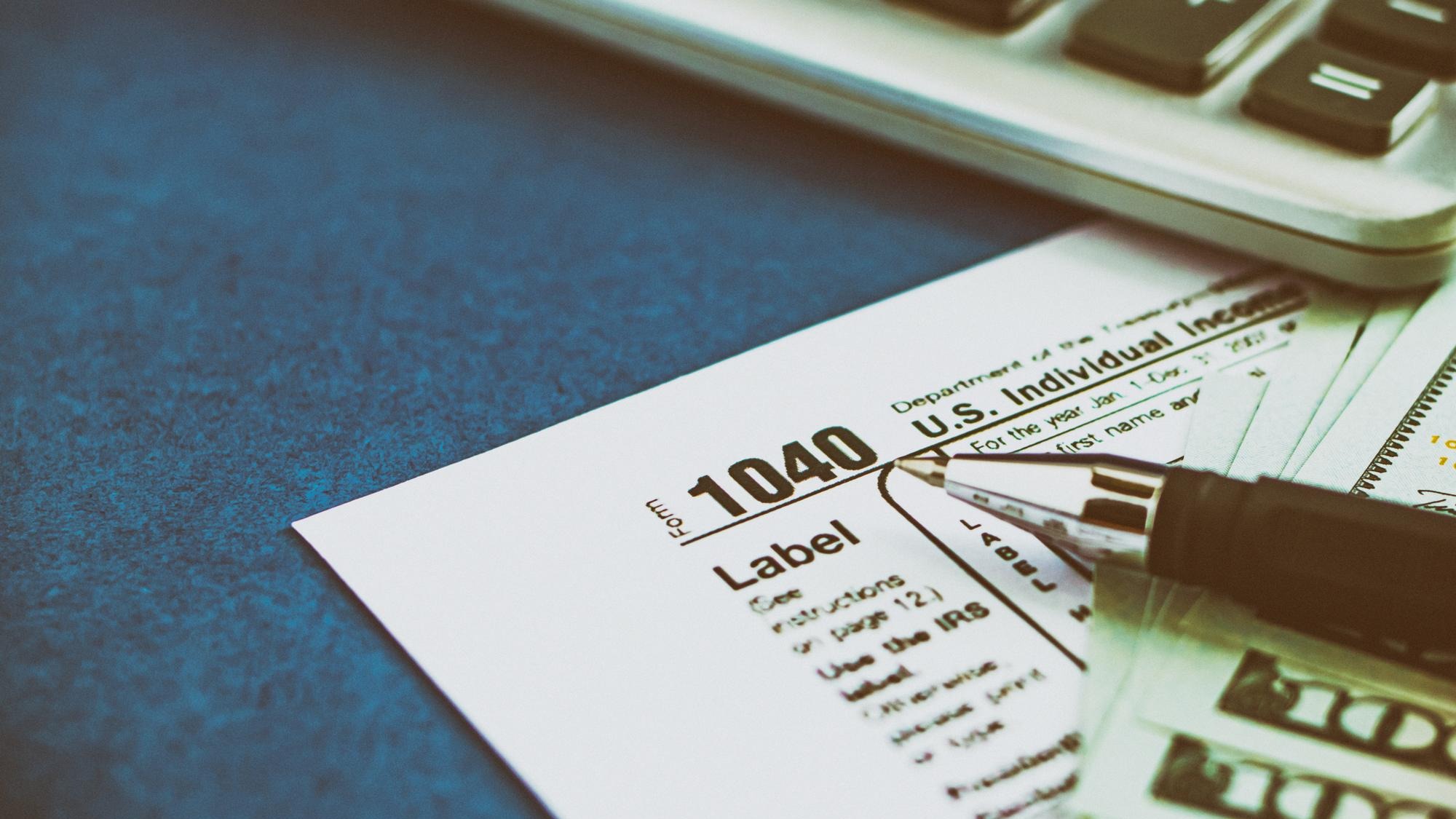
Taxpayers who want to pursue a refund under the disaster postponement theory need to file Form 843, the IRS claim form for abatement or refund of assessed penalties and interest. The July 10 date is the filing deadline for these claims in most cases tied to the COVID-19 incident period. Anyone who waits past that date risks losing the ability to recover penalties paid during the pandemic window, even if a later court or the IRS ultimately confirms a broader interpretation of the disaster relief rules.
Before filing, taxpayers can review their penalty and payment history through IRS online accounts at the agency’s portal. Checking account transcripts allows filers to identify which penalties were assessed, the tax periods involved, and whether any prior abatements or credits have already been granted. This step can help avoid duplicate claims and ensure Form 843 requests are targeted to the correct years and penalty types.
On Form 843, taxpayers generally must specify the type of penalty they are challenging, the tax year, and the amount they believe should be refunded or abated. The National Taxpayer Advocate has suggested that filers reference the COVID-19 disaster declaration and the Kwong decision in their explanations, arguing that filing and payment deadlines were postponed through at least July 10, 2023. Supporting documentation, such as copies of IRS notices showing when penalties were assessed and paid, can strengthen the claim.
Tax professionals caution that a Form 843 request based on Kwong is not guaranteed to succeed. The IRS may reject claims, take the position that the decision is limited to its specific facts, or argue that the disaster relief provisions do not apply as broadly as the taxpayer advocates contend. However, submitting a timely claim preserves a taxpayer’s rights and keeps the possibility of a refund open while legal and administrative interpretations continue to develop.
Who should consider filing, and what to do now
Individuals, small business owners, and self-employed filers who incurred failure-to-file or failure-to-pay penalties between 2020 and 2023 are the primary candidates to review their accounts. Those who filed late returns, entered into installment agreements, or paid off pandemic-era balances in lump sums may be especially likely to have paid penalties that could be affected by the disaster postponement theory.
Taxpayers who already received automatic penalty relief for 2020 or 2021 under the IRS program should still verify whether additional penalties remain for those years or for 2022 and 2023. The automatic relief did not cover every taxpayer or every type of penalty, and it did not extend into later tax years. A careful review may reveal remaining amounts that can be challenged through Form 843.
With the July 10 deadline approaching, experts recommend a simple sequence: log into the IRS online account, download transcripts for 2020 through 2023, list any penalties paid, and consult a qualified tax professional if the amounts are significant. From there, taxpayers can decide whether to file a Form 843 themselves or have a representative prepare and submit the claim. Acting within the deadline is crucial; once the window closes, many taxpayers will lose their chance to seek refunds of pandemic-era penalties that may never have been owed in the first place.